African B2B Teams Are Wasting Resources at Exhibitions: The Case for a Calendar-First Exhibition Strategy in 2026
Published: 2026-04-30T13:26:54 · Updated: 2026-04-30T11:39:34Z
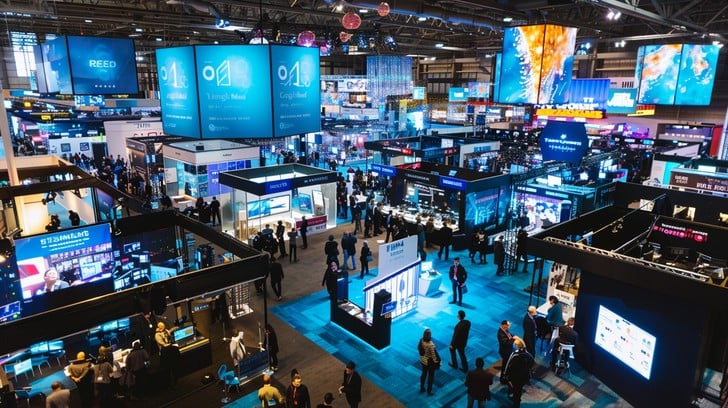
And yet, most companies walk away with little more than a stack of business cards and a growing sense that something is slipping through their fingers.
The Method That's Missing From the Exhibition Floor
Here is the uncomfortable truth: the most effective sales methodology gaining ground across African B2B teams right now are almost entirely absent from the exhibition floor. The method is appointment setting.

In standard B2B sales, the process is well understood: identify your Ideal Customer Profile, qualify intent through outreach, and convert every qualified conversation into a booked meeting. The entire discipline of cold outreach is architected around one outcome: a scheduled conversation with a qualified prospect. Despite crowded inboxes and rising competition, 82% of B2B buyers have accepted meetings from strategic cold outreach.
So why, when B2B teams arrive at a trade show populated by exactly the kind of decision-makers they spend months trying to reach, do they abandon this proven approach entirely? That gap is where a significant pipeline disappears every year.
Exhibitions Are a Bottom-of-Funnel Environment — Treat Them That Way
The root misclassification is treating exhibitions as brand-building exercises. They are high-intent, bottom-of-funnel environments populated by qualified decision-makers who chose to be there. Research shows that 46% of trade show attendees are in the final stages of their buying journey, and 72% are more likely to buy from an exhibitor they meet face-to-face.
In outbound sales terms, these are warm leads walking through your door and introducing themselves. No sequence required. No subject line optimisation. Just a live, qualified human standing in front of you. The tragedy is that most exhibitors treat this warmer-than-warm interaction with less structure than they would apply to a cold email.
Bringing the Outbound Playbook to the Exhibition Floor
The same Identify → Qualify → Book motion that is proving itself in email and LinkedIn sequences apply directly, and arguably more powerfully, to the live event environment. The channel changes. The methodology does not need to.
A prospect walks into your booth at Africa Tech Summit or stops you in the corridor at GITEX. Within two to three minutes, you establish whether they fit your profile. If they do, you do not exchange cards and hope; you pull out your scheduling tool and book the meeting before the conversation ends. You name the purpose, hand timing control to them, and close the booking. Every friction point in the outbound process is removed. Identification, qualification, and booking all happen in under ten minutes.
Up to 80% of trade show leads receive zero follow-up. Not slow follow-up. Nothing. And even when follow-up does happen, it begins days after the event, precisely when emotional momentum has dissipated and a faster competitor has already locked in the meeting. A meeting booked on a shared calendar with an automated reminder sequence does not disappear when the programme overruns. A verbal promise to "connect next week" does.
The KPI That Actually Matters
The infrastructure is there. The audience shows up. The intent is present. What determines whether that investment converts is whether your team arrives with a system designed to capture it.

For African B2B teams navigating constrained capital environments, every missed conversion at an exhibition is a pipeline that was built, qualified, and lost, all on the same day, in the same room.
Visibility is vanity. Meetings are momentum.
The methodology is already proving itself in your email sequences and LinkedIn outreach. The events are on the calendar. Now bring it to the floor and count the meetings, not the cards.
###Article by: Tope Emiola