Africa's Tech Future Is Being Shaped by a Power Crisis It Did Not Create
Published: 2026-03-29T15:01:49 · Updated: 2026-04-22T08:35:34Z
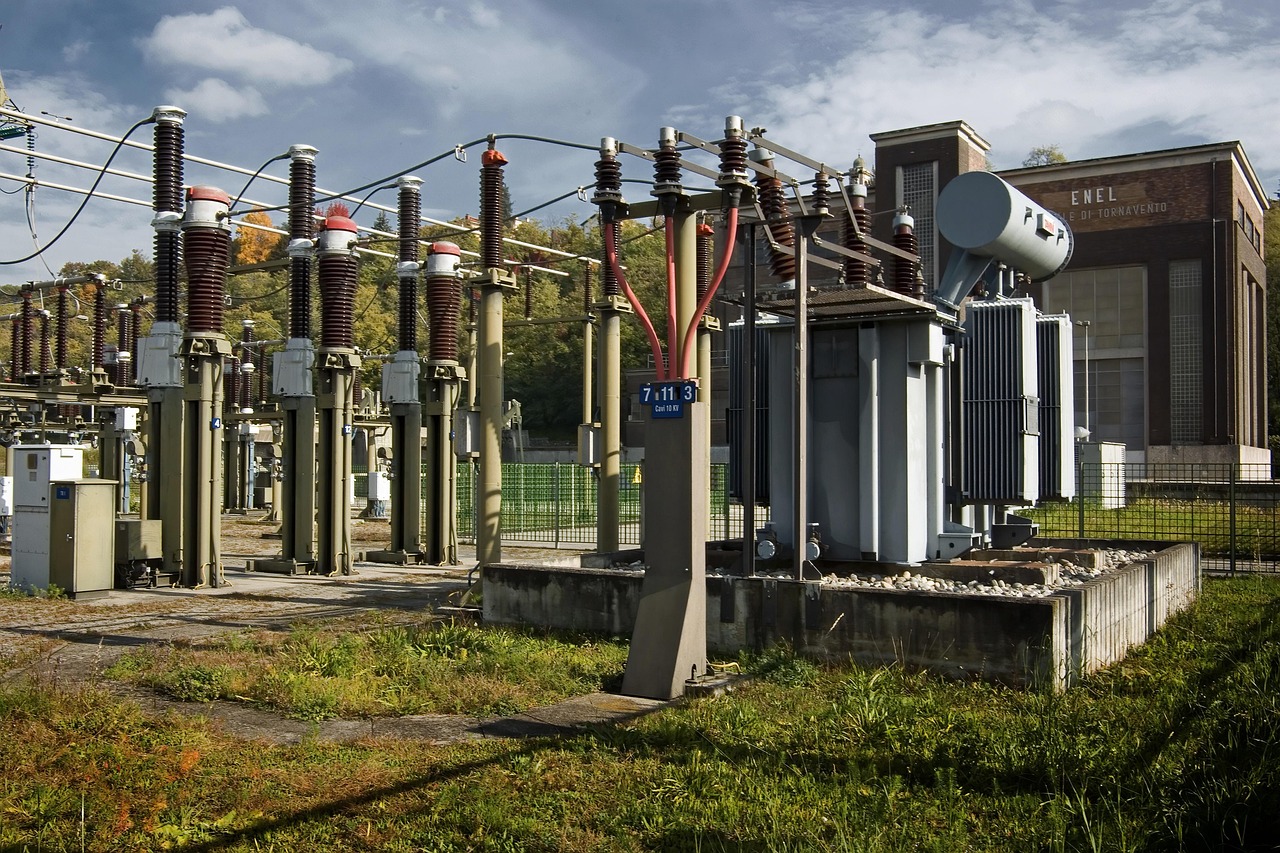
The Netherlands has AI facilities moonlighting as virtual power plants just to keep the grid stable. This is not some distant forecast. It is happening now, driven by the same GPU clusters that power every AI tool African startups are building on top of.
The connection to Africa is direct even if it does not feel that way. AWS, Google Cloud, and Azure serve most of the continent through European data centers. When those facilities face grid congestion and rising costs, that pressure travels. African customers are not at the front of the queue when capacity gets tight. The continent sits at the end of an infrastructure chain that is under more stress than it has ever been, and inference costs, what you actually pay when your product calls an AI model, reflect that eventually. A startup in Nairobi building on OpenAI's API is, whether the founder has thought about it or not, exposed to European energy markets.

What makes this genuinely frustrating is that the raw ingredients are right here. Kenya generates most of its electricity from renewables, including some of the best geothermal resources on the planet. Sub-Saharan Africa has solar, hydro, and geothermal potential that European grid operators would pay serious money to access. The continent is not energy poor. It is infrastructure poor. The data centers, fiber interconnects, and cooling systems needed to turn that energy advantage into actual AI capacity have not been built, because the capital has not shown up at the scale required. Meanwhile, Europe's crisis is pulling hyperscaler investment deeper into markets that already have infrastructure, widening a gap Africa was already behind on.
So what do you do with this? Understand the stack below the stack. Cache aggressively. Choose efficient models. Look at regional providers like Africa's Data Centres or Raxio that are building closer to where users actually live. These choices represent more than just technical infrastructure leaning. They are a logical reaction to a structural dependency that many founders have yet to recognize.

The global AI power crunch was not made in Africa. But who ends up with leverage when it resolves, and who ends up more dependent than before, that question is still open. Right now, Africa is mostly watching from the back row.