Amazon Just Chose Kenya for Africa’s First Satellite Ground Station.
AI
Published: 2026-06-11T17:28:13 · Updated: 2026-06-11T15:32:11Z
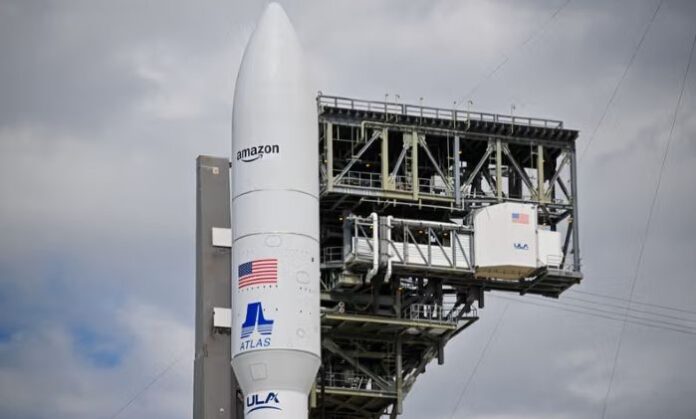
By quiet corporate design, Amazon is anchoring its African satellite expansion in Nairobi under a local subsidiary named Amazon Kuiper Kenya. They recently filed paperwork for two major permits with the Communications Authority of Kenya. If these 15-year licenses get approved, Amazon will build a massive satellite gateway earth station alongside a network control hub right in the city. The move effectively turns Nairobi into the operational hub for its upcoming low-Earth orbit constellation, which was recently rebranded as Amazon Leo.
SpaceX currently holds the high ground in this market. Elon Musk’s Starlink has spent the last three years operating without serious competition in Kenya, gathering more than 22,000 subscribers to rank as the country's eighth-largest internet provider. Amazon plans to break that hold by prioritizing physical, domestic ground infrastructure rather than relying entirely on direct-to-consumer marketing. Routing data traffic directly through local earth stations removes the long international loops that traditionally drag down satellite connections. Proximity to a local earth station is a proven advantage, often dropping signal latency from nearly 300 milliseconds down to under 40 milliseconds.
Engineering goals for the new network target heavy data speeds. Standard residential connections are expected to hit 400 Mbps, roughly doubling the average speeds that Starlink delivers to local homes. Corporate accounts could see lines reaching 1,280 Mbps, a massive tier designed specifically for major banks and remote mining operations. To distribute this capacity without the nightmare of building a retail dealer network from scratch, Amazon signed distribution agreements with Vodafone and Safaricom. Pumping satellite bandwidth directly into Safaricom’s existing mobile infrastructure gives them instant access to millions of users across East Africa.
Deploying this kind of physical footprint comes with deep logistical hurdles. Local tech analysts point directly to Microsoft’s recent data center challenges in the region, where severe power grid constraints derailed a major cloud initiative. Satellite gateways require an immense amount of continuous, uninterrupted energy, which is a requirement Nairobi's infrastructure frequently struggles to guarantee. Frequency management creates another regulatory headache. The Communications Authority will need to police the spectrum tightly because intense satellite downlinks risk bleeding into regular mobile data networks.
A massive gap in deployment timelines remains Amazon's steepest hurdle. While Starlink already has thousands of operational satellites spinning overhead, Amazon Leo has just over a hundred test satellites in orbit. The company faces a strict regulatory mandate to launch 3,200 birds by 2028 just to keep its global operating licenses valid. Securing the physical real estate and regulatory approvals in Nairobi today is a high-stakes gamble. Amazon is effectively building the garage before assembling the fleet, setting up a brutal infrastructure war for control of East African skies.