Apple moves to Turn Siri into an AI Agent as Competition Heats Up
General
Published: 2026-11-11T08:45:28 · Updated: 2026-11-11T07:45:28Z
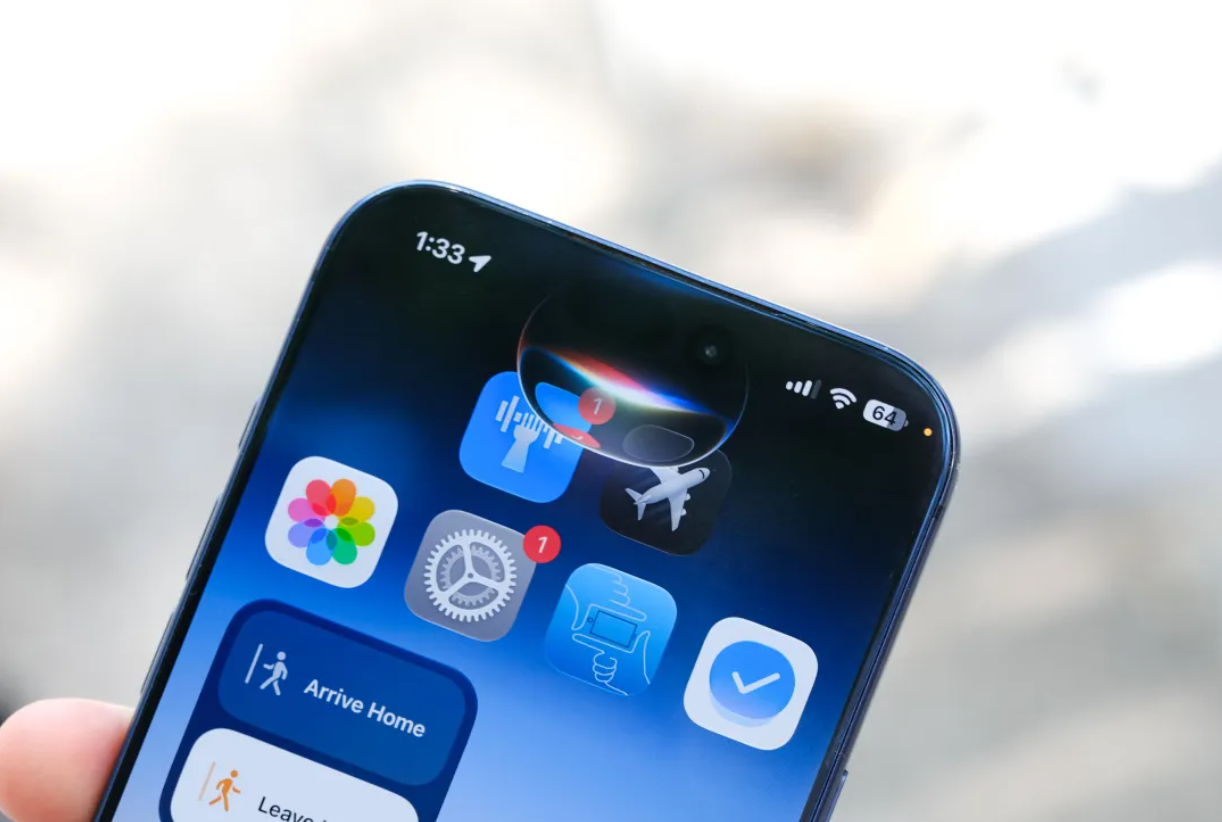
Apple is reportedly pushing to transform Siri from a digital assistant that responds to individual requests into an AI agent capable of carrying out more complex tasks with limited user direction. The shift would bring Apple's assistant closer to a growing category of AI tools designed not just to answer questions, but to work towards goals independently. According to Bloomberg's Mark Gurman, Apple CEO John Ternus is pressing software chief Craig Federighi to take a more ambitious approach to the company's AI development, with Siri at the centre of those efforts. Gurman believes Apple could make Siri more agentic as early as next year, although the company has not publicly confirmed the plans or provided a launch timeline. The reported push comes as other technology companies move towards AI agents that can manage tasks beyond a single interaction. OpenAI, Meta and xAI have already introduced tools designed to keep working towards objectives after users have given them instructions, raising expectations for what digital assistants should be able to do.
From answering requests to completing goals
The difference between a conventional AI assistant and an agentic one lies mainly in how much responsibility it can take on after receiving an instruction. Today's assistants generally operate on a request-and-response basis. A user asks a question or gives a command, the assistant completes that individual task and waits for the next instruction. An AI agent, by contrast, can interpret a broader objective, determine the steps needed to achieve it and continue working without requiring the user to guide every action. For example, instead of asking Siri to find a restaurant, check its availability and then make a reservation through separate requests, a user could potentially ask it to organise a dinner. An agentic assistant could identify suitable restaurants, check available times and work through the reservation process, returning to the user when it needs a decision or approval. Apple has already been developing a more capable version of Siri through Apple Intelligence, with features such as personal context understanding, onscreen awareness and the ability to take actions across apps. Already, Siri can search messages for a family member's suggested activity, retrieve a recipe from an email and add its ingredients to a shopping list. It can also use information displayed on a user's screen to take relevant actions, such as adding upcoming sports fixtures to a calendar. These capabilities represent a significant expansion of what Siri can do, but they are not the same as the more autonomous system Gurman describes. The next step would be allowing the assistant to maintain an objective and work through multiple stages of a task without users having to initiate each one.
Apple faces competition from AI agents
Apple would not be entering an empty market. Several companies have already begun developing agents that can operate across digital environments and continue working after receiving an initial instruction. OpenAI's Dots, Meta's Muse and xAI's Grok Bot are among the examples highlighted in Gurman's reporting. These tools use dedicated cloud-based computing environments to interact with apps and websites, allowing them to carry out tasks on a user's behalf. Rather than simply generating a response, they can work through a sequence of actions and return when they need input or approval. Their approaches differ, particularly in how they handle permissions and user control. Muse operates within a secure virtual machine and uses a separate monitoring agent to oversee its activity, while also seeking approval before taking certain actions, such as sending emails or making purchases. Dots can conduct proactive research using connected apps and services, with its read-only research activity restricted from making changes without user involvement. The growing competition puts pressure on Apple to make Siri more useful beyond the individual commands it has traditionally handled. However, the company may take a different technical route from its rivals.
Apple's approach could depend on app developers
Rather than relying primarily on agents navigating websites and clicking through interfaces, Apple has been building a system that allows Siri to interact with apps through predefined actions. This is facilitated by App Intents, which allows developers to describe the actions their apps make available to Siri. Siri can then identify and use the relevant action when a user makes a request. Apple's announced capabilities point towards deeper integration, allowing Siri to work across its own apps and, increasingly, third-party services. The company's existing ecosystem could give it an advantage here. It already controls the operating systems, devices and developer frameworks through which Siri operates. However, this approach could also make Siri's capabilities dependent on what developers choose to expose through their apps. If an app does not make the necessary actions available, Siri may have limited ability to complete a task within it. Gurman's reporting suggests that Apple is working towards broader third-party app integration, although the details and timing remain unconfirmed.
Privacy could shape how agentic Siri works
Giving an AI assistant the ability to act independently introduces a different set of risks. An agent that can access email, messages, shopping accounts and other personal services needs clear boundaries around what it can see and what it is allowed to do. In line with this, Apple has indicated that user awareness and privacy will be central to its approach. Speaking during the company's November 2 earnings call, Ternus described agentic capabilities as promising tools, but stressed the importance of ensuring users understand what they are giving an AI system access to. He also said Apple wants to develop these capabilities in a way that protects security and privacy. That position is consistent with Apple's wider Apple Intelligence architecture, which combines on-device processing with Private Cloud Compute. According to Apple, when Private Cloud Compute handles a user's request, their personal data is neither stored nor made accessible to Apple or anyone else. An agentic Siri would likely need to extend these safeguards to the actions it can take on a user's behalf. This could mean more explicit permissions and approval requests before it sends messages, makes purchases or performs other consequential tasks. The precise safeguards Apple intends to introduce have not yet been announced.
Siri's next chapter
Apple's reported plans reflect a broader shift in the AI industry. As assistants become more capable, the competition is moving beyond which system can produce the best answer towards which one can reliably complete useful tasks. Apple has some catching up to do. OpenAI, Meta and xAI have already introduced agentic tools, while Siri's current capabilities remain more focused on responding to requests and carrying out defined actions than independently pursuing ongoing goals. Still, Apple's existing integration across its devices and apps could give it a distinct advantage if it can translate that ecosystem into a genuinely autonomous assistant. For now, however, a more agentic Siri remains a reported ambition rather than a confirmed product announcement. Gurman's estimate suggests it could arrive as early as next year, but Apple has yet to outline what the experience will look like or when users can expect it.