Bolt partners with Mombasa County to formalise 400 delivery riders with training and licences
General
Published: 2026-08-28T11:54:48 · Updated: 2026-08-28T09:54:48Z
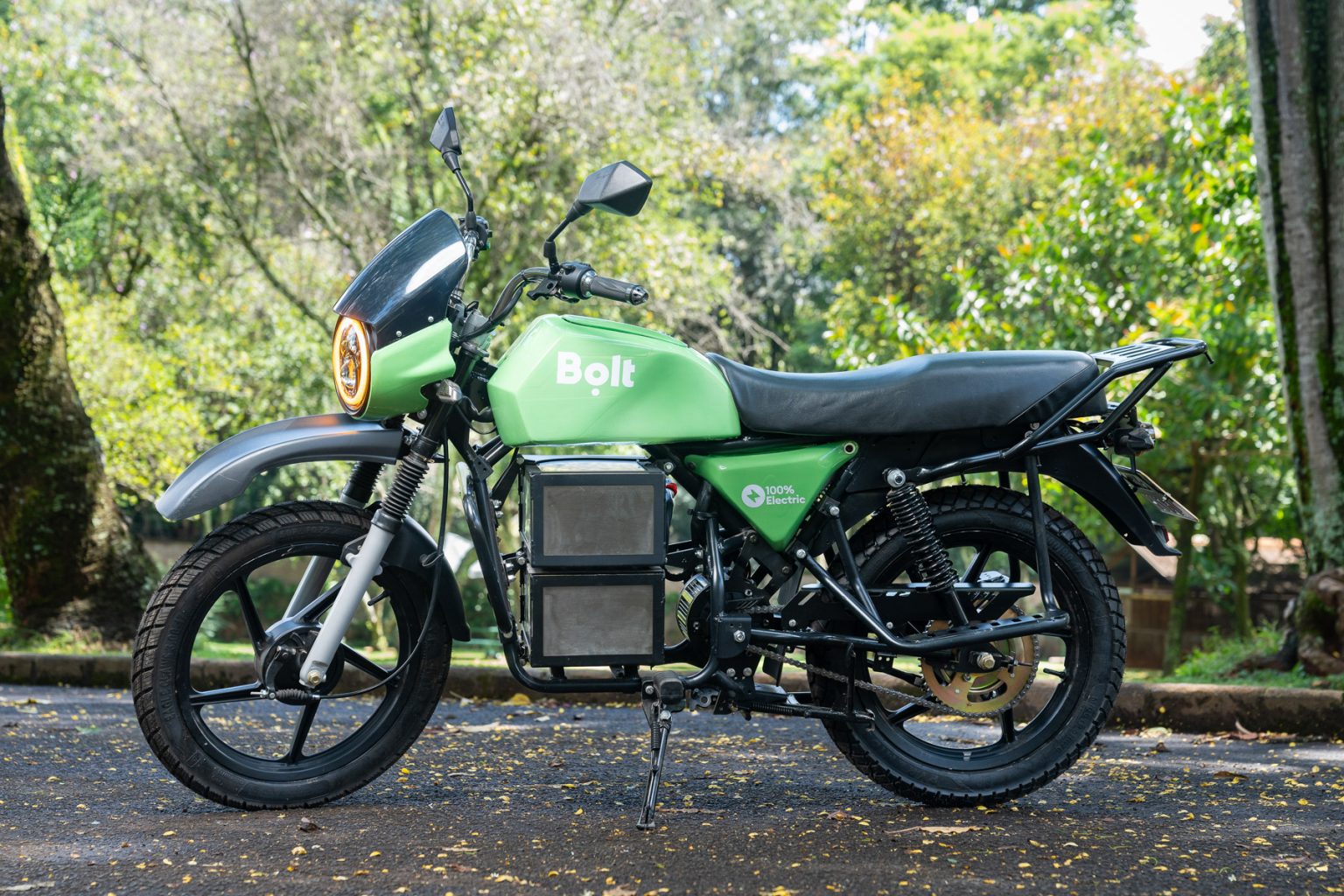
Bolt has partnered with the Mombasa County government to help 400 delivery riders get professional licences through Kenya's Recognition of Prior Learning (RPL) system.
Rather than putting every rider through training as if they were starting fresh, RPL lets that road experience be assessed and counted toward the licence. Riders who clear the assessment at the end of it receive their licence from the National Transport and Safety Authority (NTSA).
The programme targets a much larger problem in Kenya's transport economy. A 2025 parliamentary report put the country's active boda-boda workforce at more than 2 million riders, while also highlighting gaps in documentation and professional training across the sector. For Mombasa, the new programme provides a way to bring some of that existing workforce into the formal system without treating years of experience as if they count for nothing.
It is part of a broader agreement Bolt and Mombasa County signed in January 2026, built around compliance and safety in the transport sector. Youth employment and getting local transport businesses onto digital platforms round out the rest of it.
Bolt is putting KES 1.5 million ($11,591) into the initiative, split between training and licensing costs and compliance support for riders and drivers. Some of it will also help local transport businesses get online.
Bolt is also sharing its trip and demand data with the county. County officials plan to use it to map how people actually move through Mombasa, informing decisions like where new EV charging points should go.
Mombasa Governor Abdulswamad Shariff Nassir said the programme showed what could come from cooperation between government and private companies, particularly around employment and the county's plans for a more modern transport system.
Turning that experience into a credential matters to Bolt too, since it can open doors for riders beyond delivery work.
"A licence has to be earned through demonstrated, certified competency," said Benjamin Sulle, Bolt's public policy manager. He said the programme is intended to give riders a formal qualification while maintaining the standards required for licensing.
That push comes as earning a living through Kenya's app-based transport sector is becoming more expensive.
Riders and drivers have spent much of the year pushing back on fares that haven't kept up with fuel costs, through scattered protests and threats of a full strike. Bolt eventually raised its rates by 6% in May. The trigger was April's fuel-price review, which had pushed Nairobi petrol to KES 197.60 ($1.53) a litre.
That makes the licensing programme one part of a much larger challenge for platform workers. Getting riders into the formal system can improve compliance and create access to opportunities that require professional credentials. It does not, by itself, address the cost of staying on the road.
For the 400 riders in Mombasa, however, it gives experience they already have a formal qualification to match. And thats a win.