Dangote opens its ₦2.15 trillion refinery IPO 16 days before breaking ground in Kenya
General
Published: 2026-09-11T07:30:40 · Updated: 2026-09-11T05:30:40Z
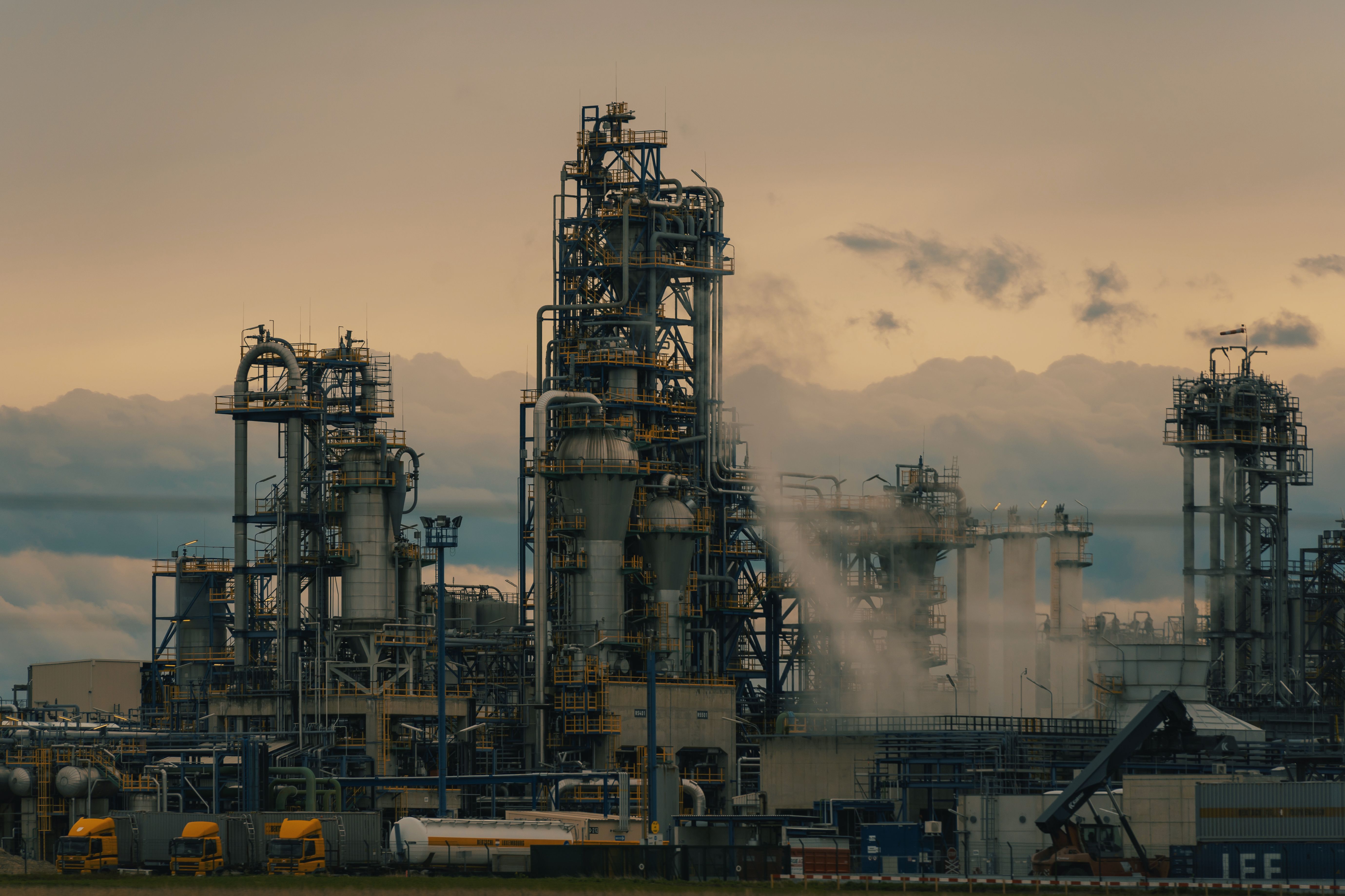
Dangote Petroleum Refinery opens its initial public offering on Monday, September 14th, selling 4.1 billion shares at ₦525 each. A full subscription would raise about $1.63 billion, putting the deal on track to become Africa's biggest-ever share sale, according to Reuters. The offer closes on October 13, and the shares are set to list on the Nigerian Exchange (NGX) afterwards.
Aliko Dangote spent roughly $20 billion building the refinery in Lagos's Lekki Free Zone. Why take it to the public now?
At the signing ceremony in Lagos on September 7th, Dangote said the money would fund expansion. The plan is to take the plant from a nameplate capacity of 650,000 barrels per day, which it has run at around 700,000, to 1.4 million barrels per day. At that size it would pass Reliance's Jamnagar complex in India, currently the world's largest refinery at about 1.36 million barrels per day.
So a Nigerian subscribing next week is buying into two things at once: a refinery that already runs, and a much larger version of it that still has to be built.
The company puts the expansion at $14.3 billion, with 1.4 million barrels per day targeted for 2029. CEO David Bird told Reuters in August that it would be funded partly through the IPO and partly through debt. Some of the money is already in: a July private placement led by Africa Finance Corporation raised $2.5 billion and drew bids worth 3.7 times the shares on offer.
Two years ago this pitch would have been harder to make. The refinery started production in 2024 and spent much of its first year in disputes over crude supply while it ramped up. The numbers have since turned. After losing $476 million across 2025, it reported $1.82 billion in after-tax profit for the first six months of 2026, according to its prospectus. Bird says it now supplies most of Nigeria's petrol and diesel and all of its jet fuel.
Reuters has also reported that the refinery was a major beneficiary of the fuel-supply disruption linked to the Iran war, selling jet fuel across Africa and into western Europe. Bird says it was Europe's largest jet fuel supplier in June and July. The prospectus shows the effect: its gross refining margin rose to $24.50 a barrel in the first half, from $13.70 across 2025. Bird told Reuters the stronger margins had "fundamentally changed the funding premise" of the expansion.
Anyone buying at ₦525 has to judge how much of that performance survives once supply normalises. Doubling capacity means years of construction spending, and the case for the IPO assumes the existing plant keeps earning at close to its current rate while that happens. Crude supply, the plant's biggest headache in its first year, becomes a bigger job at 1.4 million barrels per day.
Then there's the question of who Dangote wants buying. The minimum subscription is 10 shares, or ₦5,250, with further applications in multiples of 10. "This is the IPO for the people. There is no segregation on who can own the shares," Dangote said at the signing. Bird used similar language with Reuters in August, calling it "the people's IPO."
The official IPO platform lists 32 approved subscription channels, including banks, fintech apps, mobile money operators and NGX Invest, the exchange's digital offer portal. Buyers still need a BVN and a CSCS account, and the one-month window will show how many first-timers get through that setup in time.
The IPO values the refinery at close to $50 billion. July's placement, two months earlier, valued it at about $40 billion. The 4.1 billion new shares amount to about 3.3% of the enlarged company, against the 10% stake Dangote talked about listing when he announced the plan in December 2025. At that valuation the refinery would add more than a third to the NGX's total market capitalisation, which Reuters put at about $116 billion in early August.
Retail buyers are paying a higher price than July's institutions for 3.3% of a company that will stay overwhelmingly in private hands. Most of what justifies the extra $10 billion is the expansion, which is the part nobody can inspect yet.
Kenyans can't buy in through the Nairobi Securities Exchange. A multi-exchange African listing was discussed earlier this year, but Bird has since told Reuters that any foreign listing is at least three years away.
The Kenyan link runs through Lamu instead. Dangote told investors in Gaborone on September 3 that he will break ground there on September 30, on a refinery designed to process 700,000 barrels per day. The refinery alone is now estimated at about $16 billion, or around $20 billion with port infrastructure. David Ndii, President William Ruto's economic adviser, told the Mwango Capital Markets Forum in Nairobi in August that Kenya has been offered a 10% stake worth about $500 million, with Ethiopia and Rwanda invited into a combined 30% regional share.
Lamu is still a greenfield site, and Lagos is already refining. Still, the Lagos IPO gives Kenya an unusually close look at the refinery model it is being asked to co-own.
The refinery started as Dangote's private construction bet, and from Monday it becomes a public-market one. Nigerian retail buyers are being asked to pay a higher valuation for a plant that has only recently reached scale, largely on the strength of an expansion due in 2029. Kenya is weighing $500 million for a stake in the same refinery model on its own coast. What both are leaning on is a Lagos track record that, so far, includes only one half-year of reported profit.