Ecobank Succesfuly Prices USD 450 Million Sustainable Agriculture & Natural Capital Tier 2 Eurobond
Published: 2026-05-19T16:30:55 · Updated: 2026-05-19T14:30:55Z
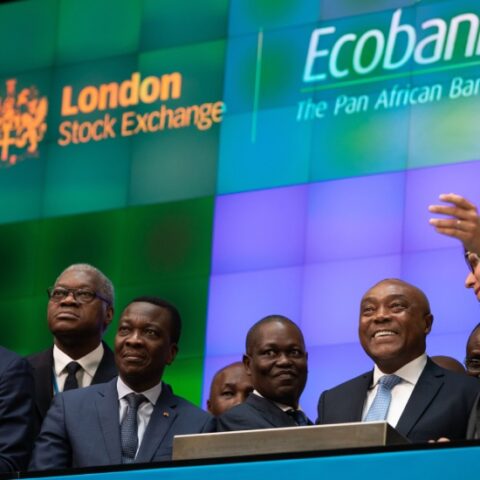
International investors just placed a massive bet on Africa’s green finance sector. Ecobank Transnational Incorporated (ETI) priced a $450 million Tier-2 subordinated sustainability bond, anchoring the capital raised directly to sustainable agriculture and natural capital projects across the continent.
The transaction caught immediate traction. Demand pushed the final order book past $1.36 billion, a 3.9x oversubscription that allowed the Lomé-based banking group to upsize the deal from its original $350 million target. That institutional appetite gave Ecobank the leverage to tighten pricing by roughly 50 basis points from initial guidance, a meaningful concession in tight global credit conditions. The notes carry a 10.25-year maturity, callable after 5.25 years, and are set to list on the London Stock Exchange main market.
The Tier-2 Capital Engineering
By structuring this as a Tier-2 subordinated instrument, Ecobank is executing a deliberate balance sheet maneuver. Because Tier-2 instruments strengthen a bank’s regulatory capital position, Ecobank effectively raises its long-term lending capacity while simultaneously funding sustainability-linked projects.
Tying this layer of regulatory capital to a sustainable lending framework gives the bank a dual outcome: it satisfies central bank compliance requirements while building a dedicated lending pool for agribusiness and ecosystem finance across its footprint.
Why the Nature Bond Label Actually Matters
Sustainability bonds are no longer rare in emerging markets; Ecobank itself issued a $350 million note in 2021. What separates this transaction is a structural designation most commercial banks have not attempted. It is the first commercial bank issuance reported to carry the International Capital Market Association's Nature Bond secondary label.
Most green bonds target metrics that are relatively easy to measure, such as carbon reductions, renewable energy capacity, or building efficiency. A Nature Bond shifts the mandate toward harder, less bankable territory: biodiversity preservation, soil health, and agricultural resilience. That distinction matters because African agriculture remains heavily underfunded despite carrying much of the continent’s economic weight.
A Broader Market Signal
Beyond the immediate balance sheet mechanics, this deal highlights a larger evolution in African capital markets. As traditional aid and development funding prove insufficient for the scale of the climate crisis, agriculture is fast becoming a core battleground for institutional climate finance. Global ESG capital is actively searching for high-yield, emerging-market exposure, but it requires structured, institutional-grade liquidity to move.
The 3.9x oversubscription suggests global asset managers are willing to allocate capital when African institutions package credible ESG frameworks with liquid instruments. Ecobank has secured the capital. The harder question now is whether it reaches the farms.