Hack4Freedom Returns in 2026, Expanding to Five African Cities
Published: 2025-12-10T07:44:49 · Updated: 2026-04-22T08:35:34Z
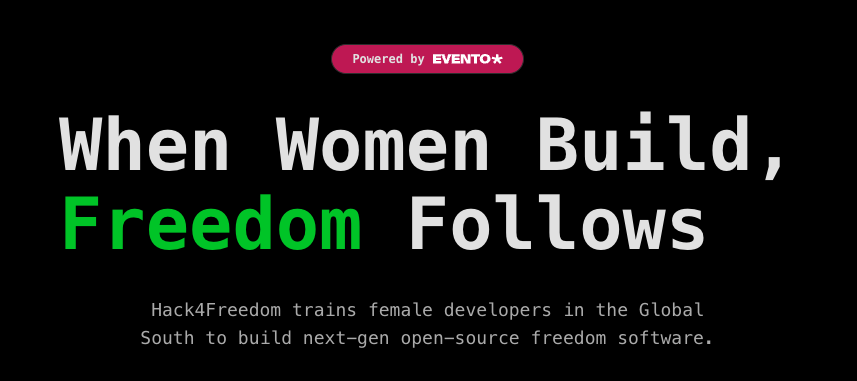
The revival of Hack4Freedom comes at a time when African startups are attracting record‑level venture capital, with fintech, healthtech and agritech sectors drawing billions in investment over the past year. By situating the hackathon in cities that host burgeoning tech ecosystems, the organizers hope to tap into a pool of engineers, designers and policy advocates eager to address challenges such as data privacy, online censorship and secure digital infrastructure.
The multi‑city format will feature parallel tracks in each location, with local partners providing mentorship, venue space and access to cloud resources. In Lagos, the event will be hosted at Co‑Create Hub, while Nairobi’s session will be held at Nairobi Garage, a known incubator for fintech ventures. Port Harbor’s venue is set within the Rivers State Innovation Centre, and Abuja’s and Accra’s editions will be supported by the Nigerian Startup Fund and Ghana’s iSpace, respectively.

Industry observers note that the hackathon’s timing aligns with heightened regulatory scrutiny across Africa, where governments are drafting data‑protection laws and grappling with the balance between security and civil liberties. By fostering open‑source projects that can be audited and adapted, Hack4Freedom positions itself as a bridge between policy makers and the developer community.
The expansion reflects a broader trend of decentralized tech events that prioritize local ecosystems over a single flagship location. By embedding the hackathon within multiple cities, organizers hope to surface diverse perspectives and solutions that address region‑specific threats, from mobile‑based surveillance to misinformation campaigns.
Hack4Freedom’s 2026 rollout underscores the growing recognition that African developers are not just consumers of technology but also architects of the digital public sphere. As the continent’s internet user base approaches 600 million, initiatives that blend innovation with advocacy are likely to shape the next chapter of online freedom in Africa.
Source: here