If a face on a video call can be generated, what proves who you are?
AI
Published: 2026-10-06T10:00:04 · Updated: 2026-10-06T08:00:04Z

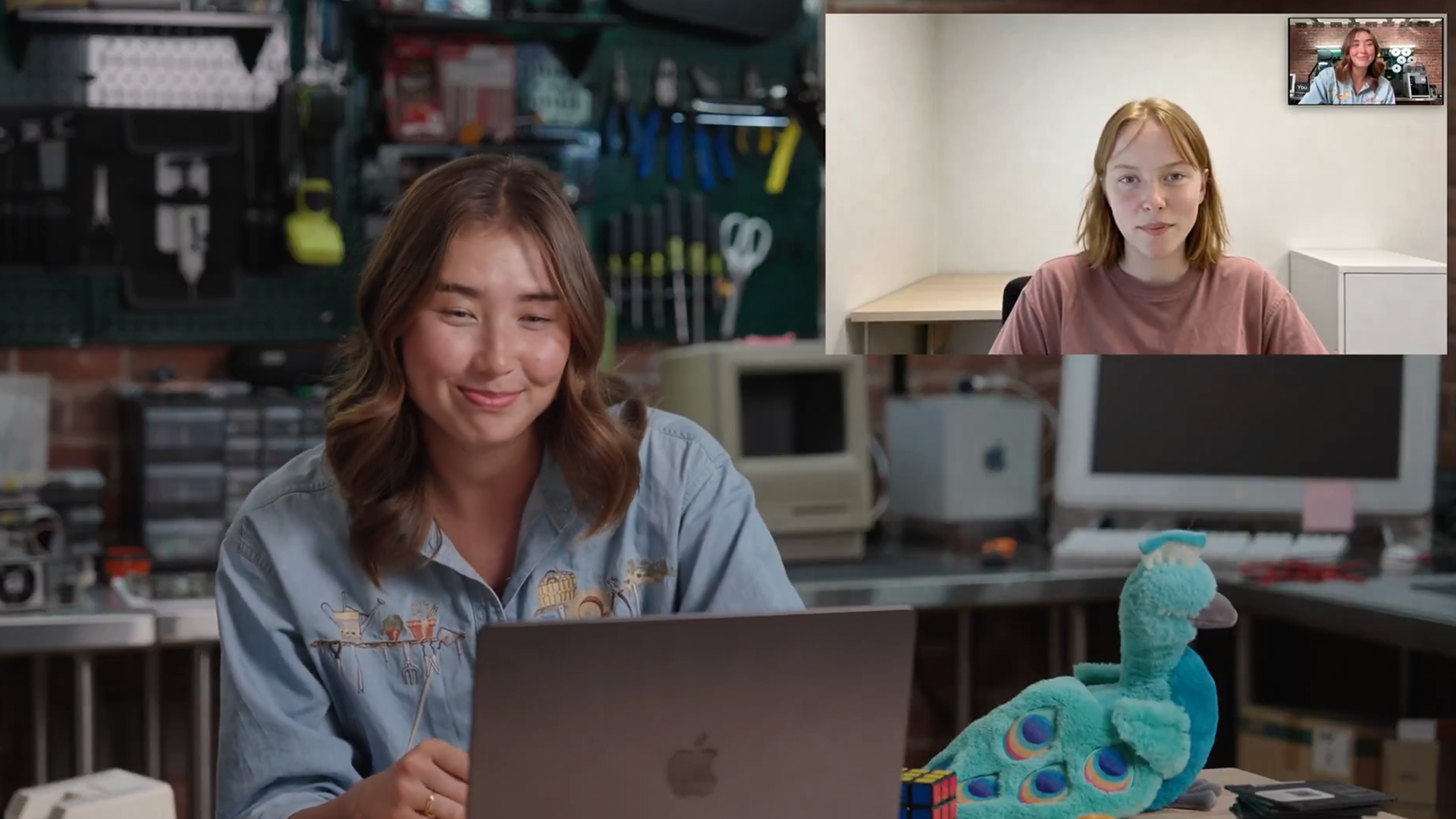
Tavus previewed Griffin, an AI that holds a live video conversation. In the company's own study, 26 of 54 testers, about 48%, took it for a human. In a comparison group, 1 of 41 did. That is a vendor result from a small sample, and it should be read that way. It still deserves attention, because of what it does to a habit many people share: trusting a face on a screen.
According to Tavus, Griffin needs one reference photo and a voice clip of roughly ten seconds to produce a talking, listening video persona. It is open only to trusted testers, and the company says safety work is still pending. Griffin is a conversation model. It is not a tool built to defeat identity verification software, and no public report shows it has been used that way. The study measured whether people noticed they were talking to an AI. It did not measure whether the output passes automated liveness checks, which are a separate technology with separate weaknesses.
Many Kenyan digital lenders rely on a selfie or a short video as part of onboarding. The evidence for how common that is comes from vendors that sell identity checks. Signzy and Everycred, both with a commercial interest, describe video and selfie verification as standard in Kenyan digital lending, and Signzy's guide references 227 digital credit providers as of April 2026. Treat all of that as vendor claims. The Central Bank of Kenya's own rules for digital credit providers are the primary source and should be checked before relying on any of it.
The reasoning holds without the numbers. Any process where a person on camera is the proof of identity gets weaker when a convincing person on camera costs a photo and ten seconds of audio. A fraudster still needs that photo and clip, and for most people both are easy to find on social media. That is an inference about how the barrier works, not a claim Tavus makes.