Kenya Finalizes Crypto Rules, Sets November Deadline for Exchanges and Wallets
Blockchain & Crypto
Published: 2026-07-27T14:24:14 · Updated: 2026-07-27T15:07:34Z
Kenya's crypto platforms now have a hard deadline: get licensed by November 4, 2026, or stop serving Kenyan users. That's the substance of the Virtual Asset Service Providers Regulations 2026, gazetted by the National Treasury under Legal Notice No. 134 and published in Gazette Supplement No. 185. The 116-page rulebook ends years of policy ambiguity over how Kenya treats crypto exchanges, wallets, and stablecoin issuers.
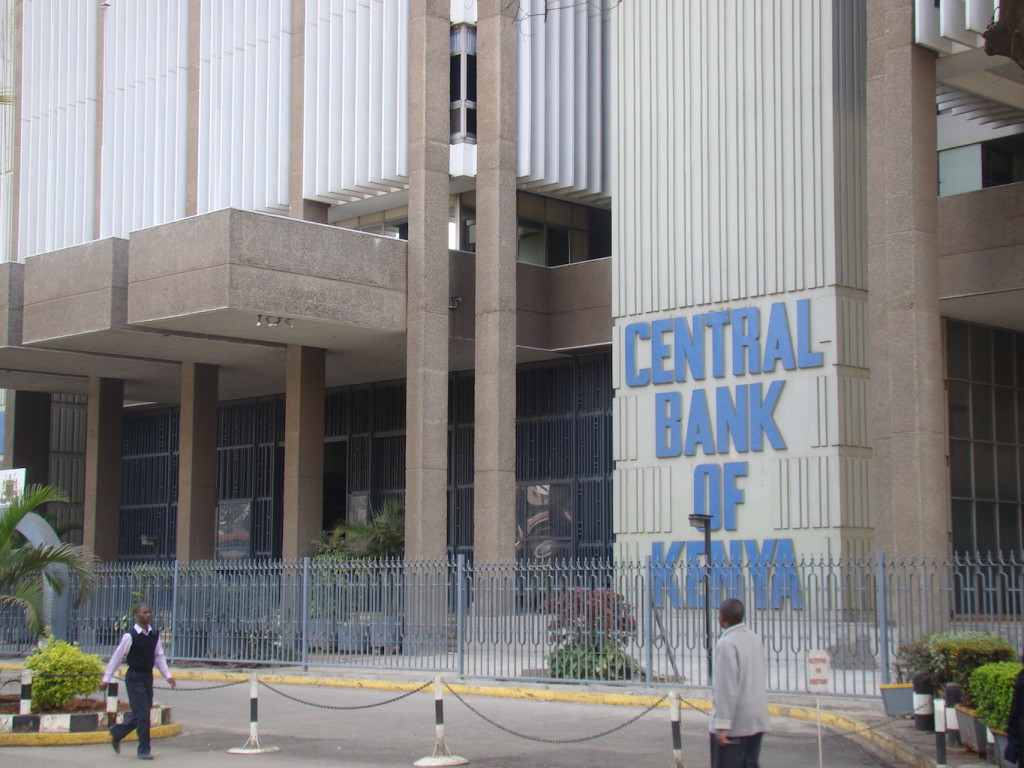
Authority over the sector is now split between two main regulators. The Central Bank of Kenya handles fiat-to-crypto conversion services and stablecoin issuers. The Capital Markets Authority takes charge of crypto exchanges, token issuance platforms, and real-world asset tokenization projects. Offshore platforms targeting Kenyan traders fall under these same requirements, regardless of whether they hold a local physical presence. Licensing runs on an activity basis, so a platform offering more than one regulated service, custody alongside exchange trading, for example, may need approval from both regulators rather than just one.
The timing traces back further than the crypto market itself. FATF grey-listed Kenya in February 2024 over anti-money-laundering gaps. Weak oversight of virtual assets was one of the specific reasons cited. The VASP framework is part of Kenya's response, and FATF's own February 2026 review credited the country's progress on licensing and supervising virtual asset providers, though Kenya remained under increased monitoring as of its June 2026 update.
The Price of Playing in Kenya's Crypto Market
Getting licensed here is not simply a paperwork exercise. Nigeria is the only other African market with prescribed VASP capital thresholds, and its ceiling sits at NGN 1 billion for the highest-risk categories. At current exchange rates, Kenya's stablecoin issuer threshold sits well above Nigeria's, while most other regional markets have either left the number open or not set one at all. By category, the floors are:
- Stablecoin Issuers: KES 300 million paid-up capital and KES 60 million liquid capital.
- Virtual Asset Wallet Providers: KES 150 million paid-up capital and KES 30 million liquid capital.
- Virtual Asset Exchanges: KES 100 million paid-up capital and KES 20 million liquid capital.
- Virtual Asset Managers: KES 20 million paid-up capital and KES 4 million liquid capital.
- Payment Processors: KES 10 million paid-up capital alongside 100% current liabilities in liquid assets.
The gap between technical capability and capital access is likely to reshape who actually builds here: a team that can build a working exchange is not necessarily a team that can raise KES 100 million in paid-up capital. That mismatch could push early-stage innovation toward partnerships with already-licensed incumbents instead of independent market entry.
Stablecoin issuers face another hurdle on top of the capital floors above. Regulation 77 dictates where customer reserves can actually sit. Issuers must hold at least 30 percent in Kenyan commercial bank trust accounts, with the remaining 70 percent in short-term local assets such as Treasury bills maturing within 90 days.
Compliance Doesn't End With the Licence
Running an exchange or wallet service in Kenya now comes with tight mandatory controls:
- Mandatory Segregation: Regulation 104 strictly prohibits commingling user deposits with corporate capital. Platforms cannot use customer funds to cover operating expenses or market trades, the same practice that contributed to FTX's collapse in 2022.
- Security Audits: Applicants must submit an independent cybersecurity audit, complete with penetration testing, before securing approval.
- Monthly Filings: Licensees must send monthly transaction, liquidity, and incident logs to regulators by the tenth day of each month.
- Data Retention: Transaction records and wallet metadata must stay archived for a minimum of seven years.
Industry Reaction Splits by Size and Funding
Established regional exchanges welcome the clarity, noting that formal supervision makes opening local bank accounts and onboarding institutional clients much easier.
Smaller startups and advocacy groups express concern over the numbers. The Virtual Asset Association of Kenya, representing roughly 50 firms, raised this exact concern during the draft comment period: capital and compliance costs risk excluding startups from the formal market entirely, potentially pushing users toward the offshore and unregulated platforms the regulation was meant to move them away from. The final Fifth Schedule does not introduce a separate capital tier for smaller operators, so the concern likely still stands.
A third response is emerging among offshore platforms weighing the cost of compliance against the size of the Kenyan market. For an exchange where Kenyan users are a small share of global volume, that calculation may not favor staying. Rather than raise the required capital and build out local compliance, some may simply restrict Kenyan accounts and step back instead.
With the November deadline drawing close, operators have roughly three months to audit their balance sheets, upgrade security infrastructure, and submit formal licensing papers. Missing it carries more than paperwork risk: operating without a licence after the deadline exposes a business, and potentially the people running it, to regulatory action, fines, and criminal liability.
Whether every offshore platform decides Kenya is worth that cost remains to be seen. What is certain is that serving Kenyan crypto users just stopped being a grey area and became a licensed, regulated business.