Kenya Generated 56,000 Tonnes of E-waste in 2025. Only 5% Reached Formal Recyclers
General
Published: 2026-10-23T12:40:34 · Updated: 2026-10-23T10:40:34Z
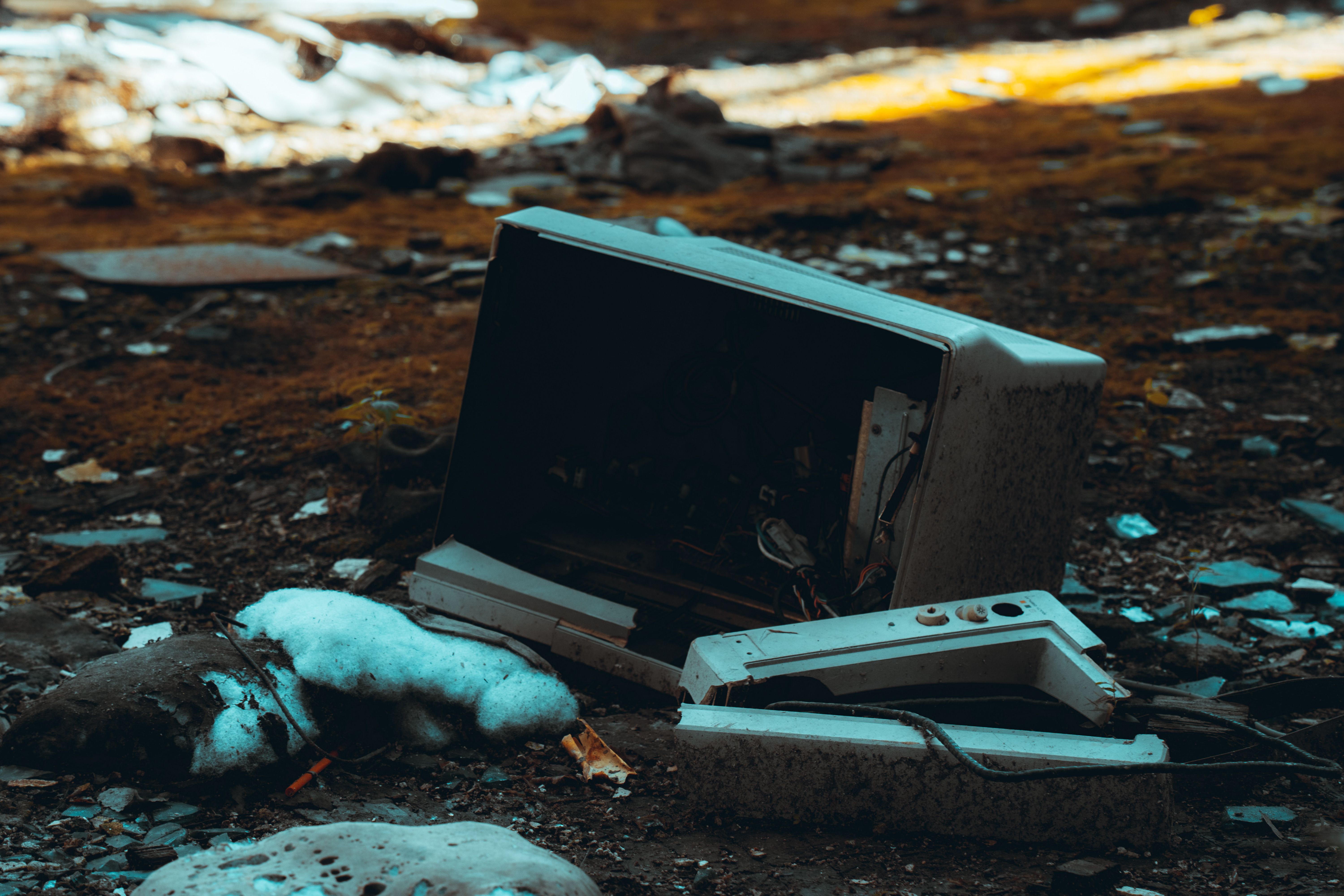
Kenya is drowning in electronic waste.
The country generated approximately 56,000 tonnes of discarded electronics in 2025, more than seven times the amount recorded in 2000. Yet only 5.1% was handled through formal collection and recycling systems. Most of the waste instead entered ordinary rubbish collection or passed through informal collection channels.
Those discarded electronics contained metals worth an estimated KES 6.2 billion to KES 6.5 billion in 2025, according to the executive summary of the National E-waste Monitor 2026, published in September by the Kenya National Bureau of Statistics (KNBS) and the United Nations Institute for Training and Research (UNITAR).
Much of that material could be recovered and returned to industrial use, including approximately 19,900 tonnes of iron and steel, 3,500 tonnes of aluminium and 2,200 tonnes of copper, alongside smaller quantities of gold, silver and other valuable metals.
Much of that waste never reaches a dedicated recycling facility. In 2025, approximately 21,500 tonnes entered ordinary municipal waste collection, accounting for nearly 39% of the total. Informal workers going door to door collected another 14,200 tonnes, while scrap collectors handled about 4,400 tonnes. Households generated nearly three-quarters of the country's electronic waste, meaning much of it was scattered across homes before eventually entering these collection channels.
Informal collectors play an important role in recovering materials that might otherwise be discarded. Some dismantle old electronics to extract metals, while repairers and dealers keep usable equipment and components in circulation. However, recovery can also involve dangerous practices. Burning cables to extract copper releases harmful fumes, and improperly handling equipment containing lead, mercury and other hazardous substances can expose workers and nearby communities to serious health risks.
Kenya has a formal recycling industry, although it handles a small share of the waste generated. The National Environment Management Authority's (NEMA) inventory lists 81 e-waste management permits held by approximately 30 firms, most operating in major urban centres. Together, formal operators handled an estimated 2,900 tonnes in 2025, including about 700 tonnes supplied by informal collectors. Of that total, approximately 2,200 tonnes underwent environmentally sound recycling within Kenya, while the remainder was exported for treatment abroad.
Getting more waste into licensed facilities is difficult, even when valuable metals can be recovered from it. Collecting small quantities of electronics from households, businesses and repair shops is expensive, particularly outside major towns where collection infrastructure is limited. Formal recyclers also compete with informal buyers who can offer consumers higher immediate payments while avoiding some of the regulatory and environmental compliance costs associated with licensed processing.
Formal recycling therefore carries costs that the headline value of the metals does not capture. Establishing collection centres, transporting waste and safely separating hazardous components all require investment. The estimated KES 6.2 billion to KES 6.5 billion in embedded metals represents potential material value, not the profit recyclers could expect to earn from recovering it.
The report recommends expanding collection points across the country, strengthening cooperation between informal workers and licensed recyclers, and introducing more take-back programmes through which manufacturers and importers help collect unwanted electronics. Such measures could direct more waste into facilities equipped to process it safely while preserving the livelihoods of people already working in collection and recovery.
But the amount of waste Kenya must deal with is expected to keep growing. By 2040, the report projects that the country could generate between 106,000 and 120,000 tonnes of electronic waste annually, potentially more than double the amount recorded in 2025. That would leave Kenya handling a much larger volume of discarded electronics through a system that currently directs only about one tonne in twenty into formal collection and recycling.