Kenya‑Japan Joint Committee Green‑lights Year‑One Plan for Startup Ecosystem Enhancement Project
Published: 2026-02-25T16:08:52 · Updated: 2026-04-22T08:35:34Z

The SEE Project, a collaborative effort between the two agencies, is positioned as a catalyst for turning Kenya’s burgeoning talent pool into a pipeline of investment‑ready, scalable ventures. “With its talent, technology, and innovation, Kenya is poised to lead in the bio‑economy and emerging tech, strengthening an investment‑ready pipeline of scalable ventures,” noted Prof. Shaukat, Principal Secretary for Science, Research, and Innovation. His remarks underscore the government’s view of Kenya as a regional hub for high‑growth sectors.
KeNIA’s chief executive, Dr. Tom Wansa, echoed the sentiment, emphasizing that the ecosystem being built will help startups “transform ideas into commercially viable ventures.” JICA’s Jiro Makimoto added a diplomatic note, stressing that “governance and international collaboration are essential for East Africa’s global competitiveness.” Together, the statements frame the SEE Project as both a domestic accelerator and a bridge to international markets.
Key Approvals
The committee signed off on a suite of initiatives designed to address multiple pain points in the startup journey:
- Sector‑focused acceleration programmes targeting high‑potential industries such as bio‑economy, fintech, and clean tech.
- Corporate‑startup matchmaking to connect fledgling companies with established firms for mentorship, pilot projects, and market access.
- Policy reforms aimed at streamlining regulatory hurdles and creating a more startup‑friendly legal environment.
- Women‑focused initiatives to ensure gender parity in access to funding, training, and networking opportunities.
- International exposure visits that will send promising Kenyan ventures abroad for partnership building and investor roadshows.
These components dovetail with Kenya’s pending Startup Bill, a legislative effort to formalise support structures for high‑growth enterprises. They also complement JICA’s broader regional agenda under Project NINJA, which seeks to boost innovation capacity across East Africa.

KeNIA and JICA officials gather for the inaugural SEE Project coordination meeting.
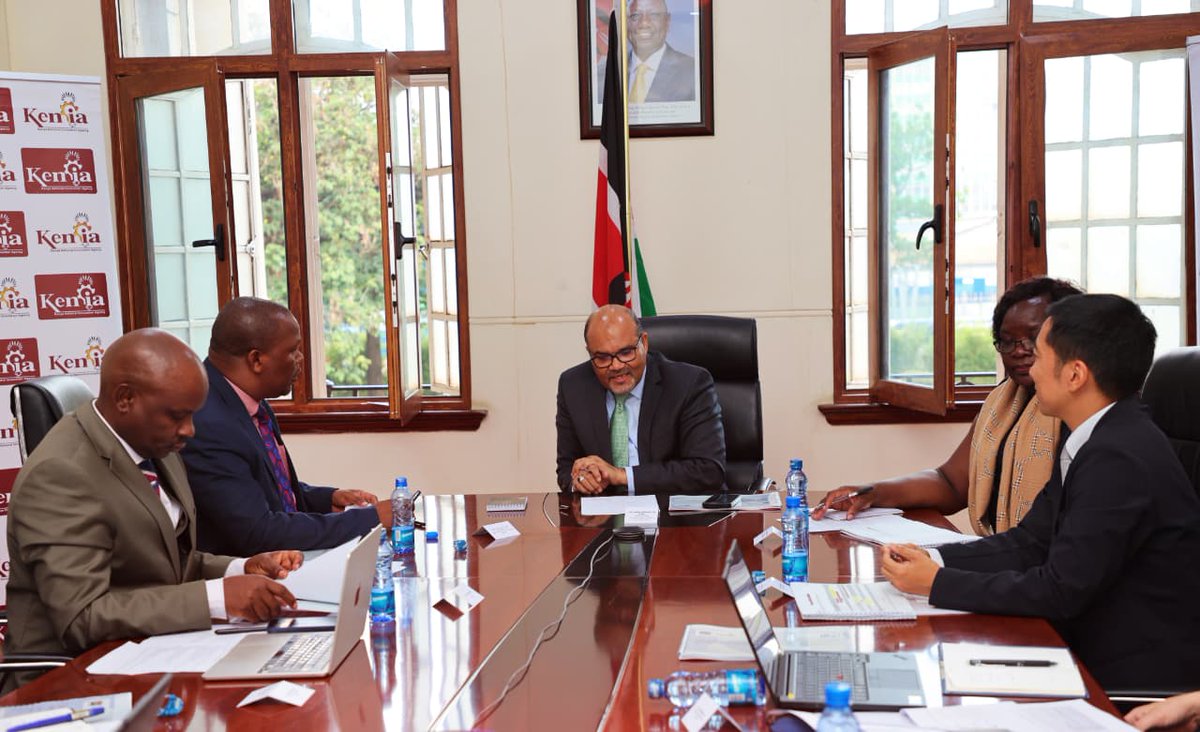
JICA delegation outlines the SEE Project’s Year‑One milestones.

Stakeholders examine the acceleration programme framework.
The approved roadmap signals a shift from high‑level strategy to tangible execution, with clear deliverables slated for the first twelve months. By aligning policy reform, capacity building, and market linkage under a single umbrella, the SEE Project aims to reduce the time it takes for Kenyan startups to move from prototype to commercial scale.
As Kenya positions itself as Eastern Africa’s gateway for innovation, the success of the SEE Project will hinge on how quickly these approved initiatives translate into measurable growth for local ventures. Will the combined Kenya‑Japan effort deliver the promised pipeline of investment‑ready startups, or will bureaucratic inertia slow progress? Only time will tell.