Kenya Power Warns Electricity Competition Could Push Up Household Bills
General
Published: 2026-11-26T09:12:09 · Updated: 2026-11-26T08:12:09Z
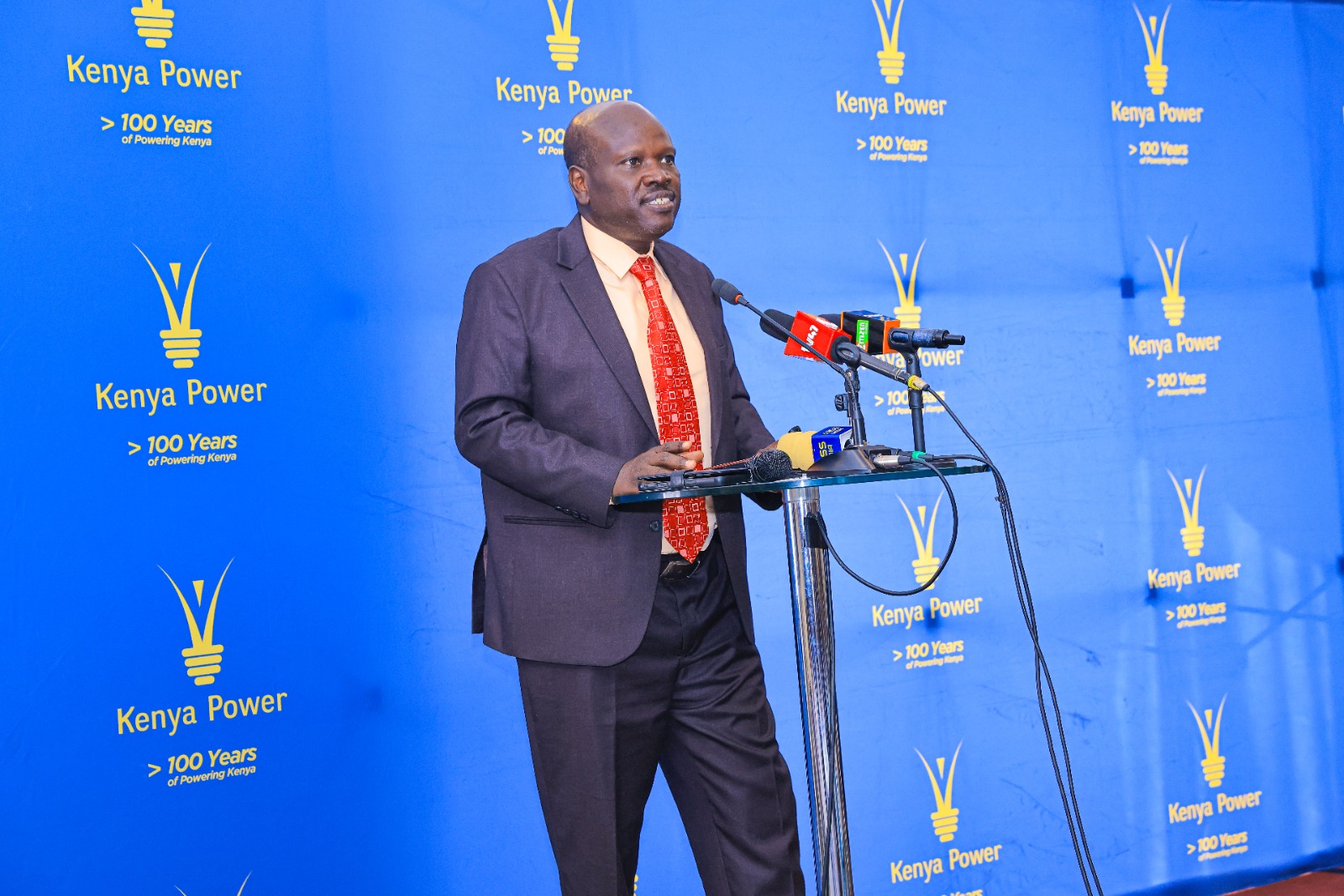
Kenya's push to open its electricity market to competition is meant to give businesses more choice and, eventually, bring down the cost of power. But the reforms could create a problem for the very consumers the government wants to protect. Kenya Power has warned that allowing large commercial and industrial customers to buy electricity directly from rival suppliers could weaken the cross-subsidy system that helps keep household tariffs affordable. In its latest annual report, the utility says the introduction of open access could lead to customer migration, putting pressure on the revenue it uses to support different tariff categories. Commercial and industrial customers account for nearly 60% of Kenya Power's sales revenue, making them an important part of its financial model. If some of those customers leave for cheaper direct supply agreements, the utility could lose a substantial share of the revenue that helps cushion domestic consumers. Kenya Power specifically warned that open access could erode tariff cross-subsidies and leave it with stranded fixed network costs. The concern exposes a tension at the centre of the electricity reforms. Large businesses have long argued that Kenya's power costs undermine their competitiveness, and opening the market gives them an opportunity to negotiate better supply arrangements. But the existing pricing structure also relies on revenue from these customers to support lower household tariffs. The customers with the strongest incentive to switch are therefore among those whose continued spending helps keep domestic electricity prices down.
The cross-subsidy behind household tariffs
Kenya's electricity tariffs do not reflect the same cost structure for every category of customer. Large commercial and industrial users face additional charges, including demand charges that account for the high-capacity infrastructure needed to serve their operations. Their electricity consumption also generates a substantial share of Kenya Power's revenue, helping sustain a tariff structure in which domestic consumers pay less. The scale of that contribution is clear in the utility's sales figures. In the financial year ending June 2025, commercial and industrial customers consumed 7,313 gigawatt-hours (GWh), around 70% of the 10,570 GWh Kenya Power sold during the period. Their contribution to sales revenue was nearly 60%, reflecting the importance of these high-volume customers to the utility's business. That arrangement has helped support household affordability, but it also creates a vulnerability when the customers carrying a large share of the revenue have alternatives. Manufacturers, factories and other large electricity users have an obvious reason to consider switching: power is a significant operating expense, and even a modest reduction in unit costs can make a difference to production costs and competitiveness. For years, some businesses have also turned to alternatives such as rooftop solar and biomass to reduce their dependence on Kenya Power, citing expensive electricity and concerns about supply reliability. Direct purchasing from generators offers another route, potentially allowing them to negotiate supply contracts that better suit their consumption needs.
How the electricity market is changing
The legal groundwork for that shift is already in place. The Energy (Electricity Market, Bulk Supply and Open Access) Regulations, 2026, published on May 8, allow licensed power producers to sell electricity directly to eligible consumers rather than relying exclusively on Kenya Power as the intermediary. The changes are intended to introduce competition into a market where the state-backed utility has historically been the sole retail electricity supplier. Under the new framework, generators can use the existing transmission and distribution infrastructure operated by Kenya Power and the Kenya Electricity Transmission Company (KETRACO) to deliver electricity to their customers. In return, they must pay wheeling charges for using the network. Direct supply agreements can run for between one and 10 years, while the Energy and Petroleum Regulatory Authority (EPRA) must approve the prices charged by power producers. The regulations allow generators without existing power purchase agreements with Kenya Power to pursue direct sales to large consumers. This means competition will not necessarily involve building entirely new networks or bypassing Kenya Power's infrastructure. The utility and KETRACO will continue to operate the lines that carry electricity, even as other companies gain the ability to sell power through them. The wheeling charges are therefore important: they determine how much generators and their customers pay to use infrastructure that still needs to be maintained and funded. EPRA has begun consultations on the charges, with the process scheduled to run through December 11, 2026. The resulting framework will help determine the cost of transporting electricity through the national grid and how much network operators receive when third-party suppliers use their infrastructure.
Cheaper power for businesses, but at whose expense?
The government has argued that opening the market will give consumers more choice and put downward pressure on electricity prices. For large manufacturers and commercial customers, the opportunity to negotiate directly with generators could reduce supply costs and make it easier to secure electricity from sources that match their needs. KenGen, the country's largest electricity generator, has also sought the ability to sell power directly to consumers, reducing its reliance on Kenya Power as its principal buyer. For generators, direct sales offer access to a wider customer base; for businesses, they create an alternative to purchasing all their electricity through the existing retail arrangement. But the benefits of competition for large customers do not automatically translate into lower bills for households. If enough high-revenue customers migrate, Kenya Power could find itself serving a smaller and less lucrative customer base while still carrying the costs of maintaining the national distribution network and honouring existing supply contracts. The World Bank has previously raised concerns about the financial risks of opening the market without addressing those obligations. Kenya Power has long-term power purchase agreements with generators including KenGen, Lake Turkana Wind Power and OrPower4, some running for as long as 25 years. These contracts can require the utility to pay for available electricity or generation capacity even when demand is insufficient to absorb all the power. The World Bank warned that the migration of larger customers could make it harder for Kenya Power to meet its existing contractual obligations while also weakening the cross-subsidies supporting household tariffs. The utility's exposure to these fixed commitments complicates the transition. Even if large businesses find cheaper suppliers, Kenya Power cannot necessarily reduce its costs at the same pace as its customer base changes. It may still have to pay generators under existing agreements and maintain infrastructure that serves customers who remain on its network.
The question of who pays
Household electricity prices will not necessarily increase as soon as competition takes hold. The extent of any pressure will depend on how many large customers switch suppliers, how the wheeling charges are set, how Kenya Power manages its existing contractual obligations and how EPRA structures tariffs across different consumer categories. The government and regulator will also have to consider what happens to the support households currently receive through the existing tariff structure. If the cross-subsidy becomes harder to sustain, they could allow more of the underlying costs to be reflected in domestic tariffs or find another way to fund the difference. Either route has consequences: higher household bills would place additional pressure on consumers, while replacing the subsidy with public funding would shift some of the cost to taxpayers. There is a legitimate case for competition in Kenya's electricity market, particularly for businesses that have spent years dealing with high power costs. But the transition also exposes a question that the promise of cheaper electricity for industry does not answer: how will the country protect household consumers if the revenue supporting their tariffs begins to move elsewhere? Kenya Power's warning puts that question on the table before the market has fully opened. As EPRA works through the rules governing access to the national grid, the eventual test will be whether competition can lower costs for large consumers without leaving households to absorb a greater share of the electricity system's expenses.