Kenya to test AI tool that lets community health promoters identify malaria mosquitoes
General
Published: 2026-09-10T13:40:01 · Updated: 2026-09-10T11:40:01Z
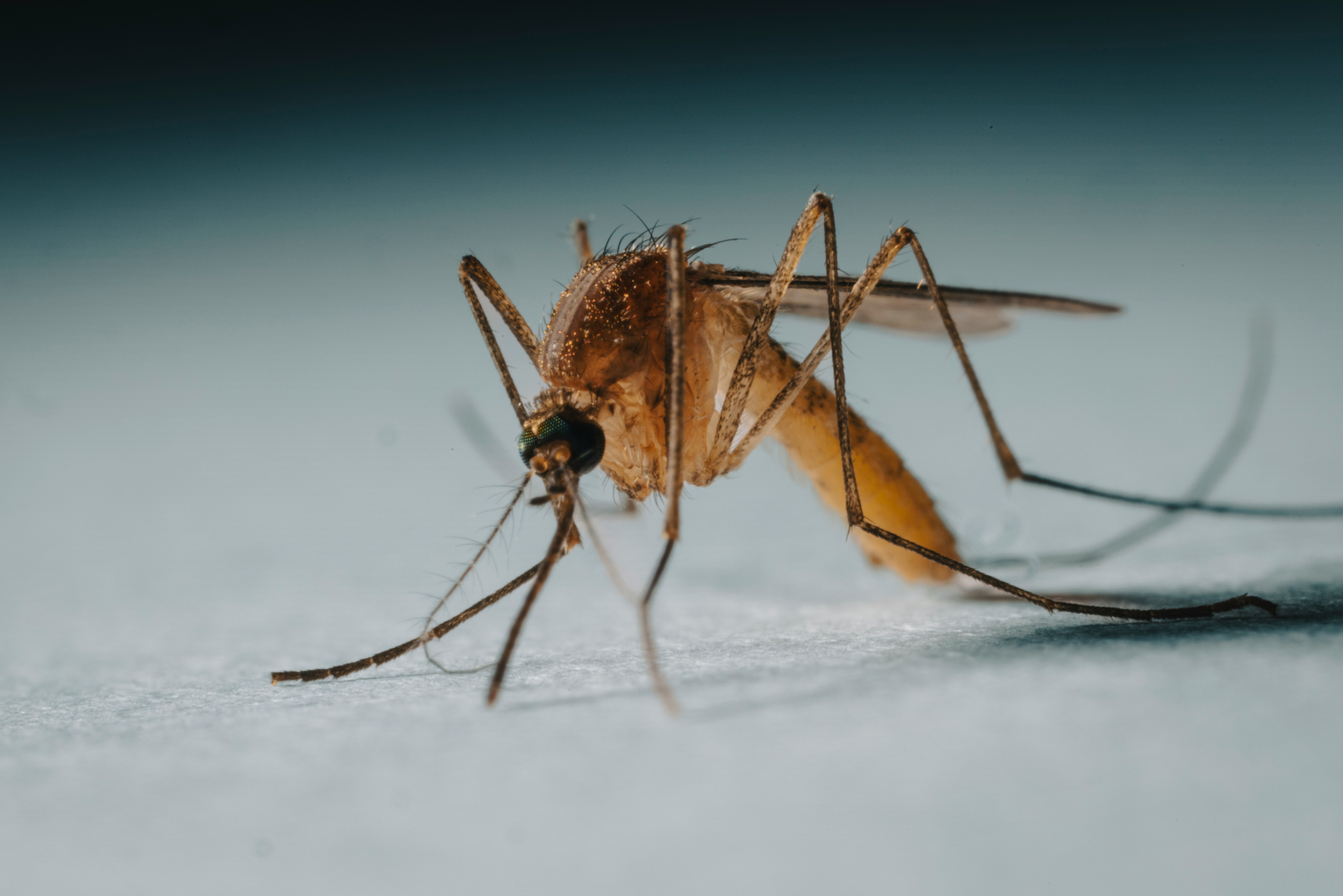
Kenya is bringing AI into its malaria fight, starting with the mosquitoes themselves.
Health authorities are preparing to test VectorCam, a smartphone-based system that identifies mosquitoes in the field by species, sex and feeding status. Instead of sending every specimen to a specialist, community health promoters would catch and photograph mosquitoes where they are found, and taxonomists would study the patterns in the data they send back.
VectorCam comes from a team of biomedical engineers at Johns Hopkins University. A 3D-printed light box attaches to a phone, the camera photographs the mosquito under controlled lighting, and a computer vision model reads its features. The developers' pitch is that identification stops being specialist work, so whoever caught the mosquito can also classify it. Results go to a dashboard that malaria programme managers can compare across locations.
Kenya has more than 107,000 community health promoters working at household level. It has nowhere near that many people who can tell one Anopheles species from another. Entomologists take years to train and cost real money to keep in the field, so mosquito surveillance has always happened where they can get to and stayed thin everywhere else.
Species matters because Kenya's malaria mosquitoes don't behave alike. Anopheles gambiae breeds in temporary sunlit pools after rain. Anopheles funestus prefers permanent water and keeps transmission going through dry spells, while Anopheles arabiensis does well around rice irrigation schemes. A county that knows which one dominates can match its spraying and larval control to how that mosquito lives. One that doesn't is guessing.
Then there is the newcomer. Anopheles stephensi, a mosquito native to South Asia, was first detected in Kenya in December 2022. A KEMRI-led study published in Scientific Reports in June 2025 confirmed it in seven of 18 counties surveyed between 2022 and 2024: Marsabit, Turkana, Mandera, Wajir, Isiolo, Samburu and Elgeyo Marakwet. Most detections were along transport routes, and the genetics pointed to at least three separate introductions, largely resembling mosquitoes from southern Ethiopia.
Stephensi breaks the pattern Kenya's malaria programme was built around. It breeds in water tanks and discarded tyres, which lets it survive in towns, and several of the counties where it turned up have historically had low malaria transmission. Eric Ochomo, the KEMRI entomologist who was the study's senior author, warned that it could become a serious threat in Kenya's urban and peri-urban areas. Tracking where it goes next means collecting mosquitoes in far more places than specialist teams can reach. That is the gap VectorCam is built for.
Uganda is further along. In August 2025, Makerere University's School of Public Health, Johns Hopkins and Uganda's Ministry of Health announced plans to scale VectorCam across 22 districts with Gates Foundation funding.
Kenya's version has an advantage Uganda's story doesn't mention: the hardware is already in promoters' pockets. When the national government launched promoters' stipends in February 2024, then Deputy President Rigathi Gachagua said every promoter had been issued a smartphone and a kit, and Safaricom CEO Peter Ndegwa said the phones ran an electronic community health information system. On August 31 this year, Deputy President Kithure Kindiki told governors the government plans to replenish promoters' kits and provide all promoters with smartphones. Kenya has spent two years building a phone-based network that already collects household health data. VectorCam needs a phone. Whether the trial runs on those government handsets and feeds into the system county health teams already use will decide if mosquito surveillance becomes part of the network or one more app on the side.
Faster identification won't improve surveillance on its own. Someone still has to set traps, photograph each mosquito, record where it was caught and keep the phone charged. That work would fall on promoters who already handle malaria testing and referrals in the households they cover, for a monthly stipend of KSh 5,000.
That stipend is a two-government arrangement, KSh 2,500 from Nairobi and KSh 2,500 from the county, and it has been a tense one from the start. When it launched at the Deputy President's Karen residence in February 2024, no governor attended, even though the Council of Governors chair was invited. The same 50-50 split was restated at another Karen meeting with governors on August 31.
The trial will show whether VectorCam works in Kenyan hands. Keeping it running afterwards will need both levels of government to agree on who pays for mosquito work, and their record on promoters' pay suggests that agreement won't come easily.