Kenya’s 421MW Geothermal Expansion comes with a plan to store Renewable Power
General
Published: 2026-11-03T19:30:29 · Updated: 2026-11-03T18:30:29Z
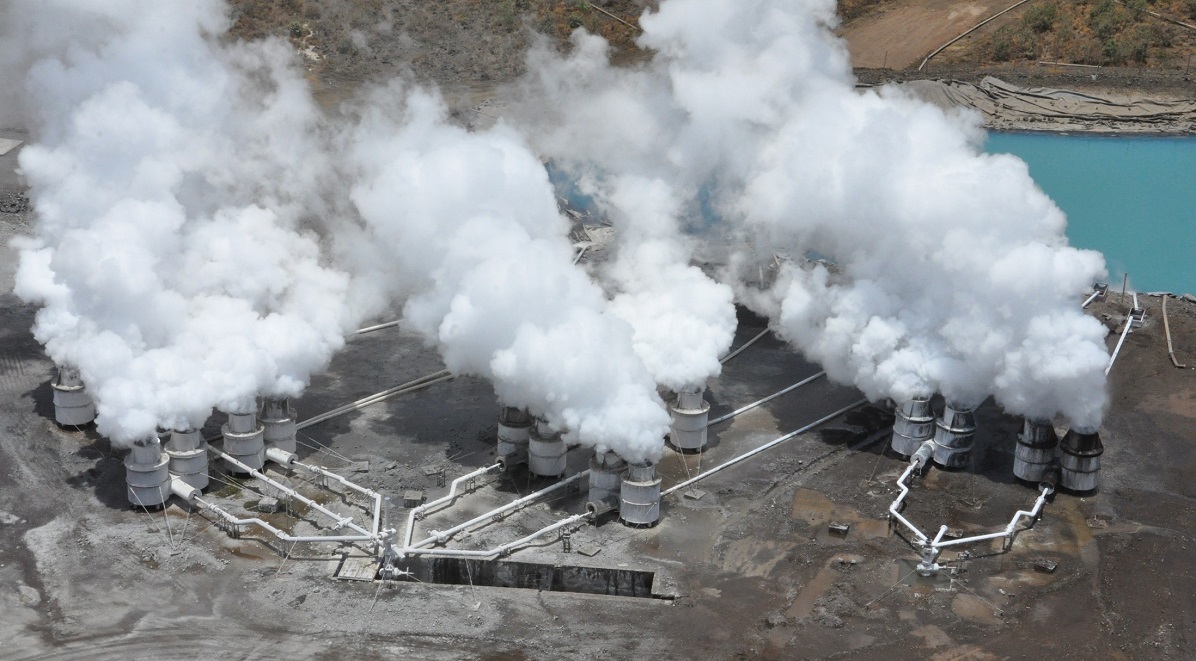
Kenya is expanding its geothermal resources as it looks to keep pace with rising electricity demand, but generating more power is only part of the challenge. The country also needs to ensure that electricity is available when consumers need it, particularly as wind and solar become a larger part of the energy mix. The Ministry of Energy and Petroleum plans to drill 34 new geothermal wells to develop steam equivalent to 421 megawatts (MW) of electricity generation by the 2029/30 financial year. The programme will run alongside the deployment of a 200-megawatt-hour (MWh) Battery Energy Storage System (BESS), which is intended to improve grid stability and help manage fluctuations in renewable power generation. These investments come as Kenya's electricity demand continues to rise and the country relies increasingly on power imports to supplement domestic generation. Kenya Power is also targeting an additional 1.3 million customer connections, adding further pressure to a system that needs sufficient generation capacity as well as the infrastructure to deliver electricity reliably.
Rising demand is putting pressure on electricity supply
Kenya's electricity consumption has grown alongside population growth, urbanisation and expanding commercial and industrial activity. Peak demand reached 2,514MW in June 2026 before rising to 2,549MW in July. At the same time, the country's electricity reserve margin (the spare generation capacity available to meet unexpected demand or plant outages) narrowed significantly, falling from 20.73% in January to 3.34% in June. That leaves the grid with a smaller buffer when generating plants are unavailable or consumption rises unexpectedly. Electricity imports have become an increasingly important part of meeting this demand. Kenya purchased 1.91 billion kilowatt-hours (kWh) from neighbouring countries in the year to June 2026, up from 1.53 billion kWh in the previous year. Imports consequently accounted for 12.19% of the electricity supply mix, compared with 10.60% a year earlier, according to the Energy and Petroleum Regulatory Authority (EPRA). Regional power purchases help Kenya meet demand, but the growing contribution of imports also highlights the importance of strengthening domestic generation. The government is looking to geothermal in particular, building on a resource that already provides a substantial share of the country's electricity. Geothermal generated 6,420.51 gigawatt-hours (GWh) in the 2025/26 financial year, accounting for 40.91% of Kenya's total electricity generation. Hydropower contributed 22.65%, while wind accounted for 12.31%, according to EPRA figures published in September 2026. Kenya's geothermal installed capacity had also grown to approximately 1,013.7MW following new developments at Menengai.
Why is Kenya doubling down on geothermal energy?
Unlike wind and solar, which depend on weather conditions and the availability of sunlight, geothermal energy draws on heat beneath the Earth's surface. Once developed, geothermal plants can generate electricity continuously, making the resource particularly valuable for supplying the grid throughout the day and night. Kenya's geothermal potential is concentrated along the Rift Valley, where underground heat can be accessed through deep wells. The country has been developing the resource since the 1970s, with the Olkaria geothermal complex becoming one of the largest developments of its kind globally. The new drilling programme will build on this established infrastructure. The 34 wells are expected to increase cumulative steam production to a level equivalent to 421MW of electricity generation by the 2029/30 financial year. This is a measure of the geothermal resource being developed, rather than a guarantee that 421MW of new electricity-generating capacity will immediately be connected to the grid. This distinction matters, because drilling wells and generating electricity are separate stages of geothermal development. The wells provide the steam required to operate power plants, but additional investment is needed to construct and commission the facilities that convert that steam into electricity. The Geothermal Development Company (GDC) plays a central role in this process. It explores geothermal resources, drills wells and develops steam fields before selling the steam to independent power producers (IPPs), which finance, build and operate the generating plants. The Menengai geothermal field offers an example of how the arrangement works. Three independent power producers — Globeleq, OrPower Twenty-Two and Sosian Energy — have each developed a 35MW plant, giving the projects a combined generation capacity of 105MW. Their developments demonstrate how public investment in geothermal exploration and steam supply can create opportunities for private companies to participate in electricity generation. The African Development Bank has also supported geothermal development at Menengai, including a US$16.5 million loan associated with the OrPower Twenty-Two project.
Battery storage addresses the timing problem
The geothermal expansion is aimed at strengthening dependable electricity supply. The planned battery storage system addresses a different challenge: the timing of electricity generation. Wind and solar power are variable sources of energy. Solar panels generate electricity during daylight hours, with output declining as the sun sets. Wind generation fluctuates depending on weather conditions. This means that the electricity available from these sources does not always correspond with when households and businesses need it. The challenge becomes particularly important in the evening, when solar generation falls but electricity consumption either remains high or increases. Without sufficient flexibility in the grid, Kenya Power may need to rely on other generating sources, including thermal plants and electricity imports, to meet demand. Battery Energy Storage Systems help bridge this gap by storing electricity when supply is available and releasing it when needed. The government's proposed 200MWh installation is intended to support grid stability and improve the use of renewable electricity, particularly from wind and solar projects. Megawatts (MW) measure the rate at which a battery can deliver electricity, while megawatt-hours (MWh) measure how much energy it can store. For example, a battery with 200MWh of usable storage could theoretically deliver 100MW for two hours. Its actual contribution would depend on its power rating, usable capacity and operating conditions. Storage does not generate additional electricity. Instead, it gives the grid more flexibility over when existing generation can be used. This can help reduce the need to rely on more expensive or less predictable sources of supply during periods of high demand. Kenya Power has previously highlighted the operational and cost challenges of managing variable renewable generation. The proposed battery programme therefore complements the country's investment in geothermal and hydropower, rather than replacing the need for dependable generation.
The challenge is turning new resources into reliable electricity
Kenya's geothermal ambitions depend on more than the number of wells drilled. The development process is capital-intensive, and exploration does not always guarantee commercially viable steam resources. Even after successful drilling, generating plants and the necessary transmission infrastructure must be developed before the additional resource can translate into electricity supplied to consumers. The existing Menengai projects illustrate the importance of coordinating public investment in steam fields with private investment in power plants. The proposed expansion will require the same relationship to work effectively if the 421MW steam-equivalent target is to support additional generation by 2030. The storage programme also has its own implementation requirements. Battery systems need appropriate grid connections, procurement arrangements, maintenance expertise and clear operating structures. The announcement does not yet establish who will own and operate the proposed system, how it will be integrated into the grid or how its costs will ultimately be recovered. These details matter because infrastructure investment must translate into reliable and affordable electricity for consumers. Additional generation capacity is valuable, but its benefits depend on the ability of the transmission and distribution networks to deliver that power where it is needed. There is also the question of whether demand will continue to grow at a pace that justifies the planned investments. Kenya Power's target of 1.3 million additional connections points to an expanding customer base, while industrial and commercial consumption will remain important to the utilisation of new generating capacity. For Kenya, the strategy is increasingly about balancing three priorities: expanding dependable domestic generation, making better use of variable renewable energy and ensuring that the grid can accommodate rising consumption. Geothermal provides a foundation for the first, while battery storage is intended to strengthen the second. The 34 wells and 200MWh storage system are therefore complementary parts of a broader effort to make the electricity supply more resilient. Whether they deliver the intended benefits will depend on financing, project execution and the infrastructure connecting new sources of power to consumers.