Kenya's eCitizen Ecosystem Faces Unauthorised Access Questions Spanning SHA, DCI, Safaricom and the Police
General
Published: 2026-11-24T09:57:22 · Updated: 2026-11-24T08:57:22Z
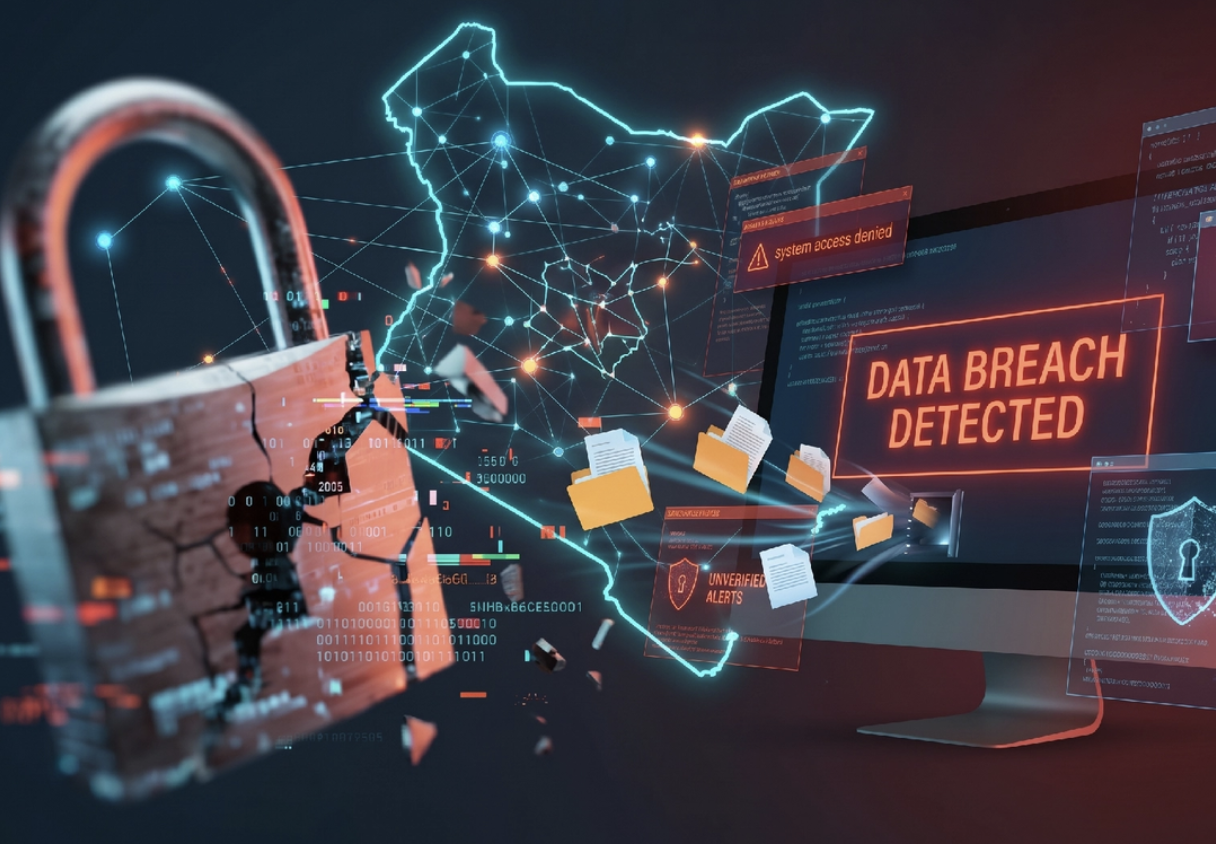
The uncomfortable truth about Kenya's digital government push is that eCitizen was never just a payments portal. It has become the front door to identity itself, the layer through which citizens register for health cover, request police clearance certificates, and interact with agencies that hold their most sensitive records. If access controls at that layer can be questioned, the exposure is not a billing problem. It is a trust problem, and trust is the only currency that keeps a platform like eCitizen viable.
Why eCitizen's Architecture Concentrates Risk
eCitizen's design is its strength and its weakness. By consolidating thousands of government services behind a single account and a single payment rail, it removed the friction that once defined dealing with Kenyan bureaucracy. But consolidation also means that a weakness at any one integration point is no longer contained to one agency. The services named in the circulating claim, SHA, DCI, Safaricom, the National Police Service, are not peripheral. They are the state's identity, health, telecommunications, and security infrastructure sitting behind one login architecture.
For founders and SME owners across the region, this matters more than it might first appear. Kenyan businesses increasingly rely on eCitizen-adjacent verification: police clearance certificates for hiring, SHA registration for employee benefits, Safaricom-linked records for KYC and mobile money onboarding. A question mark over access controls in that chain is a question mark over the due diligence stack that East African companies have quietly built their compliance around.
The Safaricom Dimension
Safaricom's inclusion in the list of linked services is the detail that should sharpen attention. The telco is not a government agency, but it is the connective tissue of Kenya's digital economy, M-PESA alone moves a volume of value that makes any access question commercially material. When a national services platform and a dominant private operator share integration points, the security perimeter is only as strong as the weakest handshake between them.
There is no public evidence in the source material of what was accessed, by whom, or over what period. That absence is itself the story. Kenya's digital government rollout has been celebrated for speed and adoption; it has been far less forthcoming about audit trails, breach disclosure norms, and independent security testing. A claim of this nature landing in the public domain before any official clarification suggests the disclosure machinery is lagging the infrastructure it is meant to protect.
What East African Founders Should Take From This
The regional read-across is direct. Rwanda's Irembo, Tanzania's e-Government portal, and Uganda's various digital service initiatives are all travelling the same road: consolidate services, digitise identity, integrate with telcos and banks. Kenya is simply furthest along, which means Kenya is also first to hit the problems the rest of the region will inherit. The lesson for founders building on top of government APIs is not to retreat from integration, it is to stop treating government verification as a binary trust signal. Build fallback verification, log your own access, and assume that upstream access controls may one day be contested.
For SME owners, the practical exposure is narrower but real: if SHA or DCI-linked records are called into question, the compliance documents businesses depend on for hiring, tendering, and financial onboarding could face scrutiny or re-verification demands. That is an operational cost, and it lands on the businesses least able to absorb it.
The Accountability Gap
The most revealing thing about this story is how it is circulating — through a social media account rather than a formal disclosure. Kenya has no mature breach notification regime forcing agencies and their private partners to disclose unauthorised access within a defined window. Without that, claims like this one either get amplified into panic or dismissed into silence, and neither outcome serves the developers and business owners who need to make risk decisions.
The agencies named have an opening here. A clear, technical statement, what was accessed, what was not, what controls were in place, what has changed, would do more for eCitizen's credibility than another adoption milestone. Silence, or a blanket denial without detail, will be read as confirmation by the market.
Kenya has built one of Africa's most ambitious digital state platforms, but ambition without transparent security governance is a liability dressed as progress. Until the agencies and partners behind eCitizen can say plainly what happened and what they have fixed, every founder and SME relying on that ecosystem is extending trust the platform has not yet earned.