Kenya’s Public Service Commission Moves Toward Verifiable Digital Credentials
Published: 2025-10-29T12:25:52 · Updated: 2026-04-22T08:35:34Z
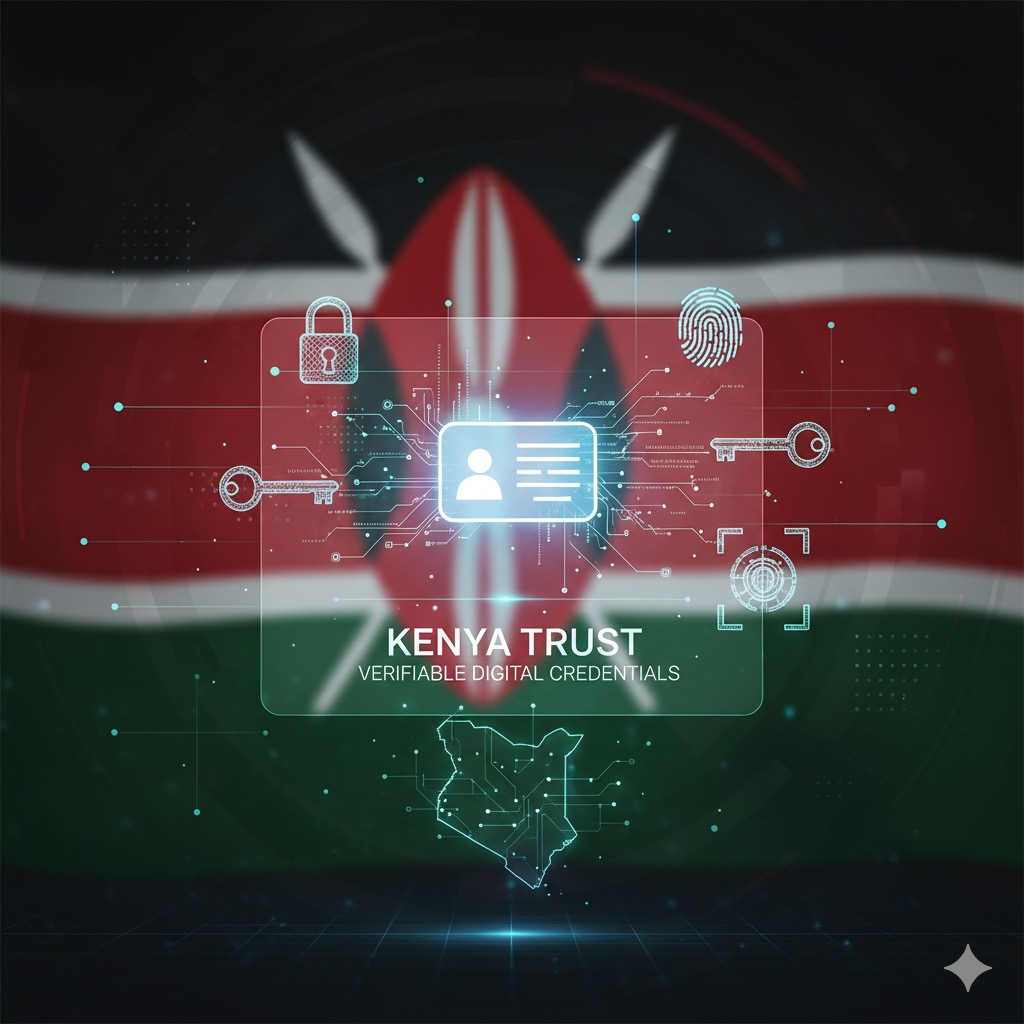
The initiative, unveiled in a recent tweet by the BitcoinKE account, signals a broader push to modernize public‑sector record‑keeping and streamline service delivery across the country.
“We are coming up with a solution to this problem,” Meja said, underscoring the difficulty of authenticating educational and professional documents in a landscape where paper‑based records are still the norm. The statement, posted on X on Oct 28, highlights the government’s intent to leverage emerging technologies to create a tamper‑proof, easily accessible repository for citizen credentials.
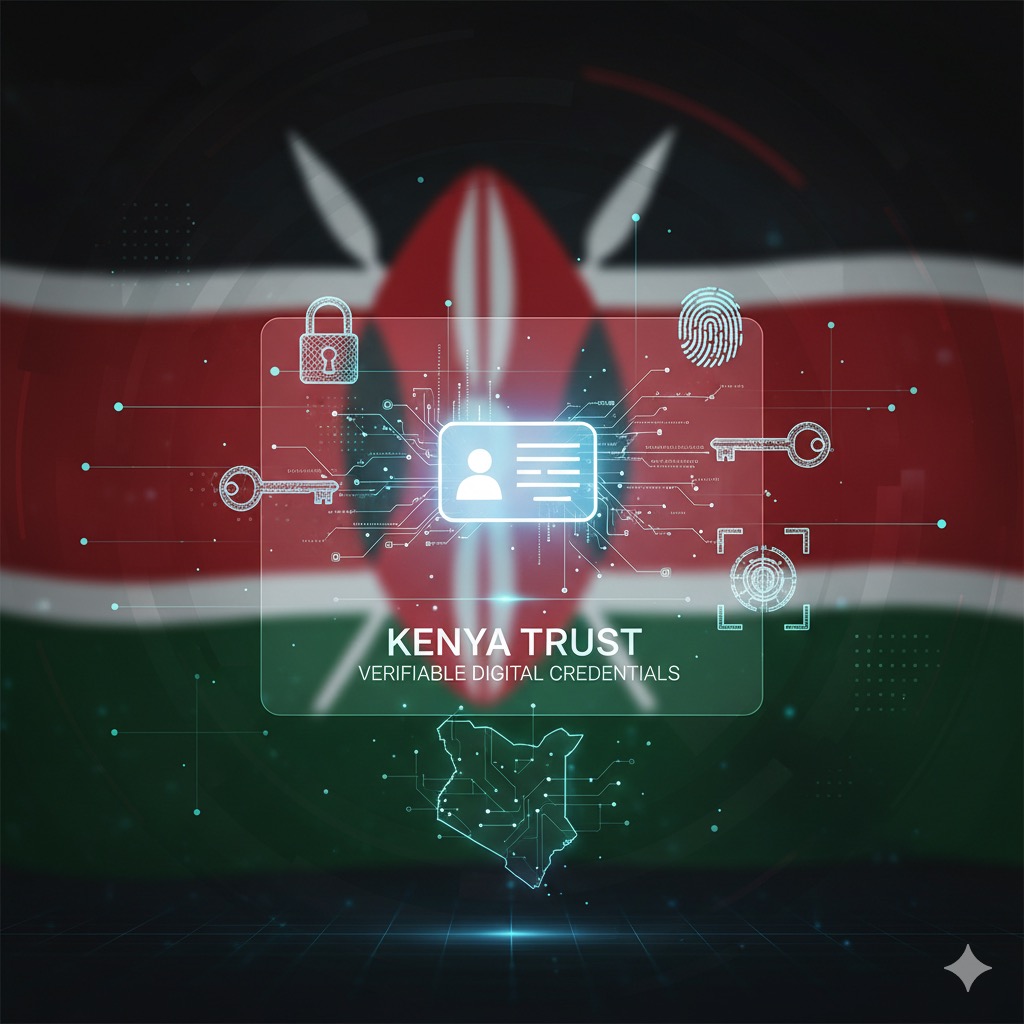
The move aligns with a growing trend among African nations to adopt self‑sovereign identity (SSI) solutions. Kenya, already a leader in mobile money through M‑Pesa, has been exploring digital identity pilots that integrate biometric verification with decentralized ledger technology. By anchoring credentials to a blockchain, authorities hope to eliminate fraud, reduce administrative bottlenecks, and accelerate access to public services such as health insurance, social grants, and job applications.
The challenge Meja references—verifying certificates—has long plagued both the public and private sectors. Employers, universities, and licensing bodies often spend considerable time and resources cross‑checking documents, a process vulnerable to forgery. A verifiable credential system could automate validation through cryptographic proofs, delivering instant confirmation without exposing personal data.
While details of the technical architecture remain scarce, the tweet included an image of a prototype interface that appears to blend a digital wallet with a credential dashboard. The visual suggests a user‑centric design where individuals can store diplomas, professional licenses, and other attestations in a secure app, granting selective access to third parties via encrypted tokens.
Funding for the project is expected to come from a mix of government allocations and partnerships with fintech firms and blockchain startups. Kenya’s Ministry of ICT, Innovation and Youth Affairs has previously collaborated with regional tech hubs and international donors to pilot digital identity solutions, and the current effort may benefit from those existing relationships. Moreover, the involvement of BitcoinKE—a community that promotes blockchain adoption in Kenya—could bring technical expertise and community outreach to the table.
The initiative arrives at a time when regulatory frameworks for digital identity are evolving worldwide. The European Union’s eIDAS regulation and the United Nations’ Sustainable Development Goals both emphasize trustworthy digital identities as a foundation for inclusive growth. For Kenya, a successful rollout could bolster its reputation as a digital innovation hub and provide a blueprint for neighboring countries grappling with similar verification challenges.
Critics caution that implementation must address data privacy concerns and ensure equitable access, especially in rural areas where internet connectivity remains limited. Transparency about governance, data ownership, and the role of private entities will be crucial to building public trust.
If the government’s solution delivers on its promise, Kenyan citizens could soon replace physical certificates with instantly verifiable digital equivalents, reducing paperwork, cutting fraud, and accelerating service delivery across the public sector.