KRA Wants to Know Where Your Stock Goes
General
Published: 2026-09-09T20:45:42 · Updated: 2026-09-10T14:16:49Z
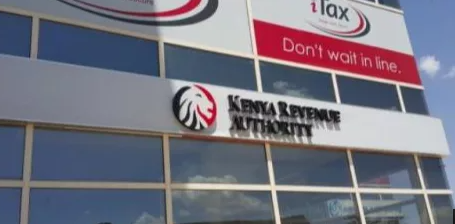
KRA Wants to Know Where Your Stock Goes.
KRA has announced a new requirement for businesses to keep accurate, up-to-date stock records through TIMS/eTIMS, covering what happens to inventory after it enters a business: sales, transfers, returns, adjustments and disposals.
It lands on top of a system that's already cross-checking what businesses declare. Since January 1, 2026, KRA has been validating income and expenses in tax returns against TIMS/eTIMS records, withholding-income-tax data and Customs import records. Stock is simply another lens on the same business.
Take a distributor that brings 1,000 units into its warehouse. KRA can already see the purchase behind those goods and the invoices generated when they're sold. The new requirement asks what happened in between: what's still on the shelf, what got returned to a supplier, what was written off as damaged. A sale explains some of those 1,000 units. The stock record now has to explain the rest.
What KRA is actually asking for
KRA's notice puts that requirement in writing: taxpayers doing business are expected to keep those stock records current and accurate through TIMS/eTIMS.
Every one of those movements needs to show up somewhere now. A damaged batch, a supplier return, a transfer between branches all have to be recorded as they happen, not folded quietly into the inventory count at year-end. That's a tighter link between what physically happens to goods and what a business reports electronically than eTIMS has demanded before.
Why KRA is doing this now
The stock requirement fits a pattern: KRA pulling different sources of taxpayer data into one picture. A business importing goods creates a Customs record; purchases from suppliers generate electronic tax invoices; sales create eTIMS records; and withholding tax gives KRA a separate view of payments received. Since the start of 2026, KRA has used TIMS/eTIMS, withholding-income-tax and Customs import data together to validate what businesses declare in their income tax returns.
Inventory adds one more layer to that cross-check. If a company's tax return doesn't line up with the records generated while it was actually operating, it needs to be able to explain the gap.
KRA hasn't said every discrepancy will trigger an audit or a penalty. But the direction is clear: businesses are being asked to keep a far more complete record of their commercial activity, not just a clean set of invoices at filing time.
Bigger businesses will barely notice. Smaller ones will feel it.
For businesses running proper inventory or ERP systems, this is largely a technical exercise. Most of the information KRA wants already lives in their accounting software.
It's a different story for a shop still working off spreadsheets, or a wholesaler that handles damaged stock and returns without formally logging every adjustment. For them, a reliable digital stock record means changing how they do bookkeeping day to day, not just how they file taxes at year-end.
Issuing an electronic invoice used to be the bar. Now a business also needs records that can account for what actually happened to the goods behind that invoice.
The messy part isn't the sale
A straightforward sale is easy enough to record. The complications sit around it: damaged products, customer returns, stock moved between locations, goods that expire or get written off, plus the ordinary mistakes that come with manual bookkeeping.
KRA's notice specifically requires businesses to account for stock that's returned, transferred, adjusted or disposed of, and that raises real questions: what counts as evidence for a stock loss, how corrections get made, and what happens when a physical count doesn't match the digital record.
KRA plans to start consultations with taxpayers and other stakeholders in September 2026, which gives businesses a chance to raise exactly these questions, and get some clarity, before the requirement takes its final shape.
eTIMS keeps outgrowing its original job
Each addition like this one pulls eTIMS further from being just an invoicing tool and closer to a general record of how a business operates. An import shows up in Customs data. A sale shows up in eTIMS. Soon, stock movements are meant to show up too.
That makes accurate record-keeping harder to treat as something to clean up at year-end. Increasingly, the figures generated during the life of a transaction need to match what eventually gets reported to KRA.
What September needs to settle
KRA has announced the requirement, but how it will actually work is still being worked out. September's consultations matter most for businesses holding inventory who need clarity on how stock losses and adjustments should be documented.
That clarity has to run both ways. KRA still has to spell out what counts as acceptable evidence for a stock adjustment, particularly for businesses without formal inventory systems, or the rule will be harder to comply with than intended. Businesses, in turn, will need bookkeeping that can actually produce that evidence when KRA asks for it. Neither side gets to call this settled until that guidance exists.