KRA warns traders: hopping between Till Numbers, PayBills or Pochi La Biashara won’t hide tax footprints
Published: 2026-04-27T19:14:29 · Updated: 2026-04-27T17:14:29Z
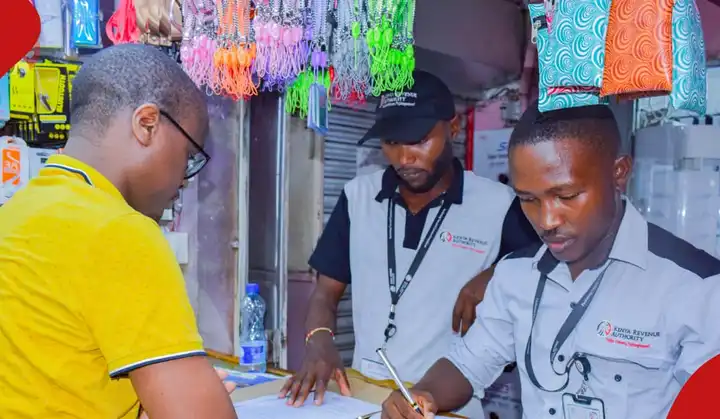
When you've got a business, you've got to survive. No one understands this better than Kenya’s informal sector. For years, small-scale traders have treated mobile money identifiers like a game of musical chairs, hopping between Till Numbers, PayBills, and Pochi La Biashara accounts to keep their total turnover obscured. The logic for this is simple: If the money is spread across enough channels, the full picture of the business remains invisible to KRA. And its been working.
That era of digital anonymity is officially closing. The Kenya Revenue Authority (KRA) just issued a blunt reminder that shifting between platforms does nothing to erase a financial footprint. While a merchant might see three different payment points, the tax authority sees a single, interconnected web of data. In a world where every transaction generates a twin record—one for the buyer and one for the seller—the KRA no longer needs to wait for a self-declaration to understand a business’s health.
Algorithmic Oversight replaces Manual Audits
To enforce this, they had to fundamentaly change how data is processed. Previously, tax compliance relied heavily on manual audits, which were time-consuming and often hit larger corporations while letting smaller entities slide under the radar. Today, the KRA utilizes data-matching engines that aggregate information from banks and mobile network operators in real time.
When a trader switches from a Safaricom M-PESA till to an Equity Bank PayBill, the transaction metadata—timestamps, merchant codes, and unique IDs—flows into a centralized revenue database. The system is designed to reconcile these fragmented pieces of information, effectively reconstructing a merchant's total revenue regardless of how many accounts they use. The KRA is now moving toward a model where flags are raised automatically when inconsistencies appear, leading to direct outreach and demands for settlement.
The Cost of Cleverness
For many entrepreneurs, the decision to juggle multiple payment channels is driven by a desire to manage costs rather than pure malice. However, the penalties for this "digital hide-and-seek" are becoming significantly more expensive than the taxes themselves. Since 2024, mobile money accounts used by businesses have been integrated into electronic tax registers (ETRs). This means that transactions are tracked at the source.
Beyond the threat of fines, there is a functional business cost to staying informal.* Businesses that fail to provide electronic invoices are increasingly finding it impossible to claim legitimate business expenses*. This creates a scenario where a trader might actually pay more in tax than necessary because they cannot prove their operational costs, leading to higher obligations on their gross revenue.
A Pressure Point for Fintech Innovation
This regulatory crackdown puts significant pressure on service providers like Safaricom and various banking institutions. These companies are now required to embed KRA-compatible reporting modules directly into their APIs. While this adds a layer of compliance burden that can complicate the rollout of new products, it also forces a level of standardization across the East African tech landscape.
The market is currently seeing a vacuum for tools that help small and medium enterprises (SMEs) manage this transition. Instead of merely offering a way to receive money, the next generation of fintech must offer "compliance-by-design." There is a growing opportunity for developers to build audit-ready pipelines that simplify tax reporting for the user, turning a regulatory hurdle into a streamlined business process.
The Trust Gap
As the KRA moves toward a data-driven administration, the primary concern remains the accuracy of these automated systems. Relying on massive streams of transaction data carries the risk of false positives. If the system incorrectly flags a legitimate transfer as business income, the burden of proof falls on the trader, which can erode trust in both the tax authority and the mobile money platforms themselves.
The success of this transition depends on whether the KRA can maintain a balance between rigorous enforcement and a supportive environment for growth. The goal of a digital tax landscape should be to bring the informal sector into the fold, not to scare them back into cash-only transactions.
For now, the only sustainable strategy is to factor compliance into the cost of doing business.