LIST Joins 15‑Company Cohort for Inaugural Sustainable Innovation Seed Accelerator
Published: 2025-10-28T16:37:09 · Updated: 2026-04-22T08:35:34Z
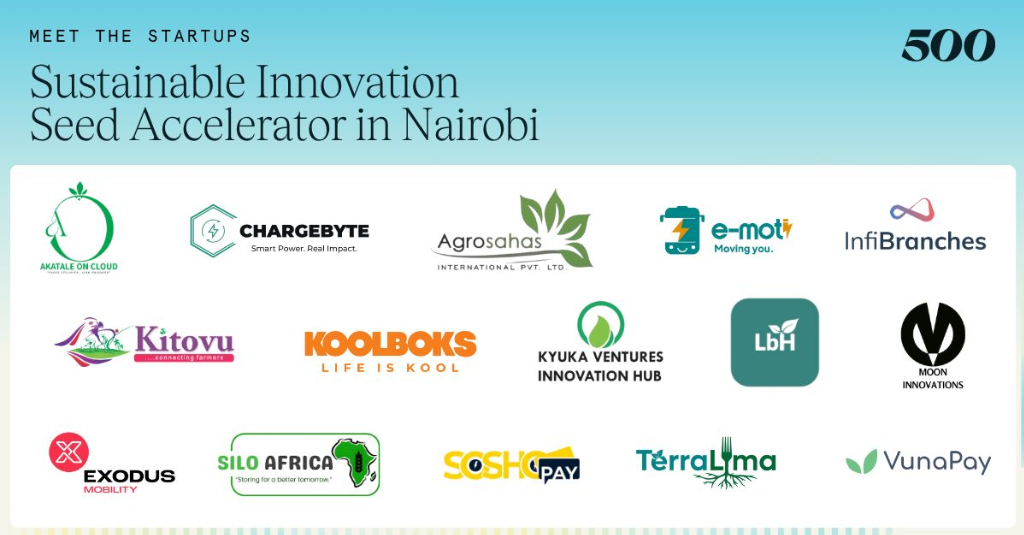
LIST, a Nairobi‑based solution that immutably records crop‑sourcing, processing, and distribution data, will receive mentorship, technical support, and seed funding through the accelerator program. The cohort, curated by 500 Global’s venture arm (@500GlobalVC), aims to fast‑track ventures that can demonstrate measurable impact on food security, traceability, and climate‑resilient farming practices.
The accelerator, launched by the Kenyan Ministry of Agriculture in partnership with regional development agencies, targets early‑stage companies that leverage digital tools to solve systemic challenges in the agricultural value chain. By embedding blockchain into supply‑chain workflows, LIST hopes to reduce post‑harvest loss, curb fraud, and give smallholder farmers verifiable proof of product origin—features that are increasingly demanded by export markets and conscious consumers.

Blockchain’s role in agriculture has been gaining traction worldwide, with pilots in Brazil, India, and the United States showing promise in enhancing transparency and enabling smart‑contract‑based payments. Kenya, already a leader in mobile money, is positioning itself to extend that digital infrastructure to the farm level. “When every kilogram of coffee or maize can be traced back to the field where it was grown, you create a data layer that unlocks financing, insurance, and premium pricing,” said a spokesperson for the accelerator program.
Funding for the SISA cohort totals roughly $1.5 million, distributed across the selected startups over a 12‑month period. In addition to capital, participants will gain access to 500 Global’s global network of investors and mentors, as well as local agribusiness partners keen on piloting blockchain‑enabled traceability solutions.
The inclusion of a blockchain platform like LIST underscores a growing convergence between fintech and agri‑tech in East Africa. As climate volatility intensifies, the ability to verify supply‑chain integrity and automate settlements could become a competitive advantage for producers seeking resilient market access.
The accelerator’s inaugural run is slated to begin in early 2026, with a demo day planned for the end of the year where startups will pitch to potential investors and strategic partners.
Source: here