M-KOPA Surpasses 10 Million Customers
General
Published: 2026-07-25T22:40:01 · Updated: 2026-07-25T20:40:01Z
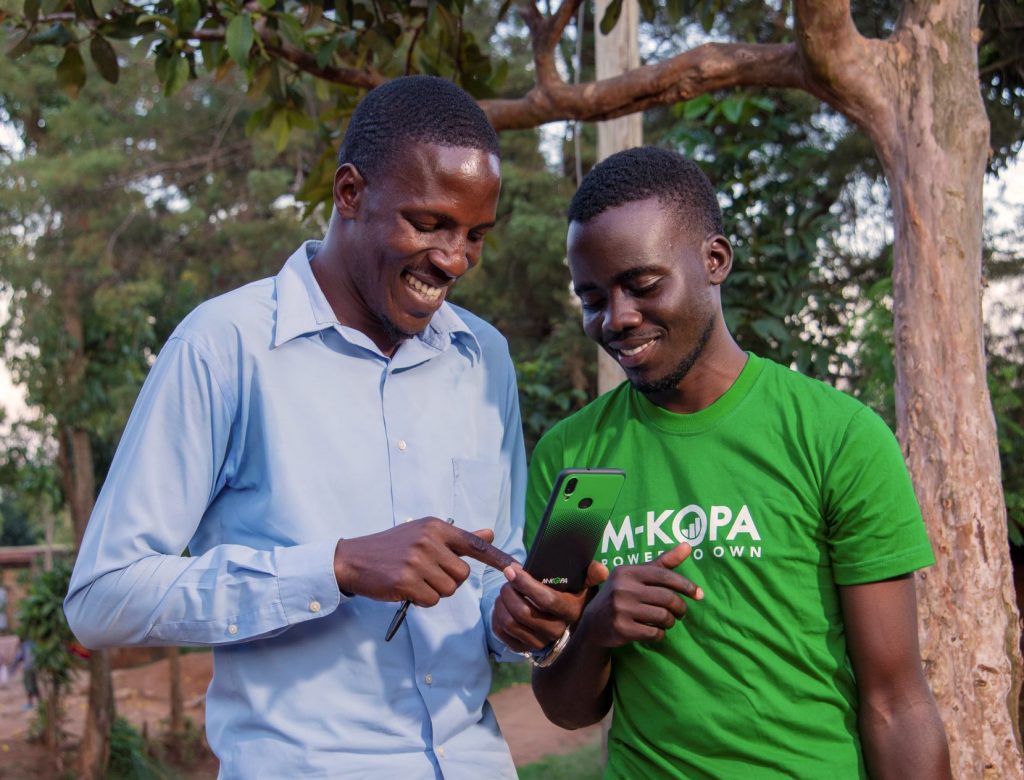
Pan-African fintech M-KOPA has officially surpassed 10 million customers across Kenya, Uganda, Nigeria, Ghana, and South Africa. Central to this growth is its "More than a Phone" platform, which bundles smartphone financing with embedded insurance, device protection, and micro-credit right at the point of purchase. The model targets informal workers like traders, boda boda riders, tailors, and small business owners who routinely struggle to pass traditional banking checks. As Co-Founder and CEO Jesse Moore noted, daily earners have always been creditworthy; they simply needed financial products built around how they actually make a living rather than a formal payslip.
It took M-KOPA eight years following its 2012 solar launch to reach its first million users in 2020. Shifting focus to smartphone financing completely transformed its business, adding nine million additional customers in the six years since. Today, the platform onboards roughly 10,000 new users every day, with Nigeria emerging as the fastest market in company history to clear the one-million customer mark.
Physical supply chains and direct distribution back up those digital numbers. In Kenya, M-KOPA operates Africa's largest smartphone assembly plant, employing over 400 workers and producing more than 3.3 million ISO-certified devices to date. Meanwhile, a direct sales network of over 40,000 agents across five markets delivers these handsets to buyers on the ground. The smartphone itself acts as functional collateral, turning routine daily micropayments into a documented credit history that unlocks further financial services.
Proving viability in Africa's informal economy is no longer an open question. With nearly nine out of ten workers in sub-Saharan Africa operating outside formal salary structures, M-KOPA's 10-million milestone demonstrates that credit models tailored to daily income can scale rapidly across borders while building long-term financial inclusion.