Mastercard, Moovn sign five-year deal to expand digital payments across East Africa
Finance
Published: 2026-10-21T11:51:50 · Updated: 2026-10-21T09:51:50Z
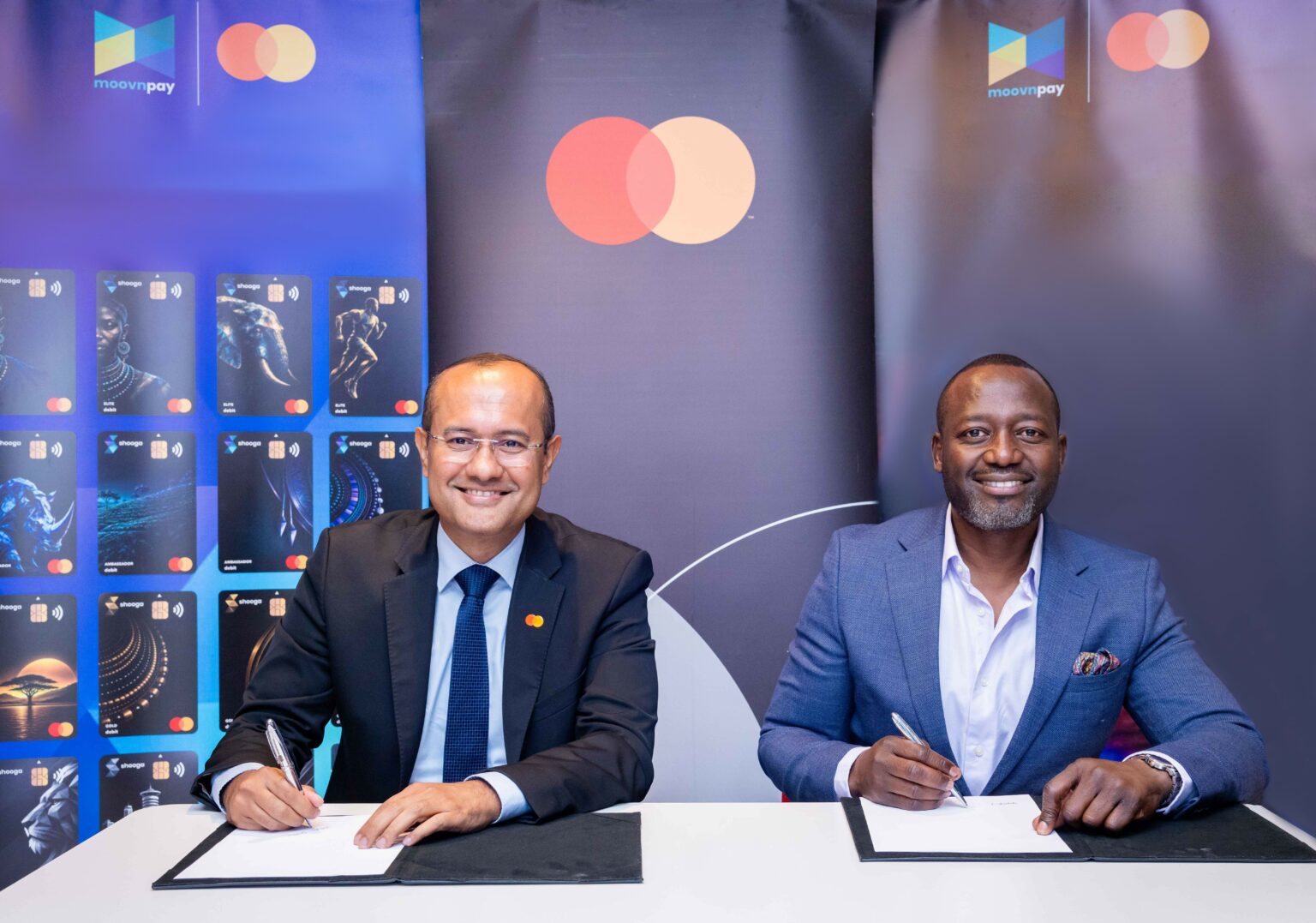
Moovn built its digital wallet to solve a problem it was facing in its own business: getting paid. When the company's ride-hailing service expanded into African markets, cash dominated transactions, making it difficult to collect revenue and grow. Its solution was MoovnPay, a wallet designed to handle payments across its platforms.
Now, that wallet is at the centre of a five-year agreement with Mastercard. Announced on October 19, the partnership will introduce virtual and physical prepaid Mastercard cards and expand the ways businesses can accept payments from MoovnPay users. Eligible customers will also gain access to international money transfers through Mastercard Move, extending the wallet's reach beyond Moovn's existing services.
Moovn operates ride-hailing and delivery services alongside an online marketplace, with MoovnPay supporting transactions across its platforms. The company also runs Shooga, which allows users to send money, raise funds and make donations. Both services will form part of the Mastercard integration, giving customers access to additional payment options through the wallet.
Expanding where MoovnPay can be used
The planned prepaid cards will allow customers to make supported online and in-person payments using funds loaded onto the cards in advance. This would give MoovnPay users a way to pay at businesses that accept Mastercard, including those outside Moovn's own platforms. The companies have yet to explain how customers will fund the cards or what charges will apply.
Merchant acceptance is another part of the agreement. Through Mastercard's Pay Local service, participating businesses will be able to receive payments directly from MoovnPay users, with Kenya and Tanzania targeted for expansion. For customers, that would mean more places to use the wallet, while merchants would gain an additional way to collect payments.
Some of the infrastructure supporting the expansion is already operating in Kenya. Moovn has launched Mastercard Payment Gateway Services (MPGS), which enables businesses to accept payments through websites and apps. The new agreement will expand its use alongside Mastercard's tokenisation technology, which replaces sensitive card details with digital tokens to help protect payment information during transactions.
The partnership will also introduce cross-border transfers through Mastercard Move. Eligible MoovnPay users will be able to send and receive money internationally, although the companies have not disclosed which countries or payment routes will be supported initially. Transfer fees also remain unspecified, making it difficult to compare the planned service with existing international payment options.
How the Mastercard partnership developed
The agreement builds on a relationship that began in September 2025, when MoovnPay was selected as one of 11 fintechs for Mastercard's Start Path Emerging Fintech programme.
At the time, Moovn founder and group chief executive Godwin Gabriel explained that the difficulty of collecting revenue in cash-heavy African markets had prompted the company to develop its own payment infrastructure. What began as a solution for transactions within Moovn's platforms had since developed into a broader financial services offering.
A year later, the relationship has produced a working payment gateway in Kenya. The five-year agreement will extend that integration, with the companies identifying Shooga's prepaid Mastercard portfolio and the expansion of Pay Local in Kenya and Tanzania as priorities for the next phase.
A complete rollout schedule has yet to be announced, however. It remains unclear when customers in each market will be able to access the new services.
MoovnPay began as a way for Moovn to collect payments within its own business. With Mastercard, the company wants to make the wallet useful for transactions elsewhere. Whether customers adopt those additional services will depend on where they can use them and how much they cost.