Quickmart IPO: What investors need to know before buying shares
Finance
Published: 2026-10-27T17:19:40 · Updated: 2026-10-27T16:19:40Z
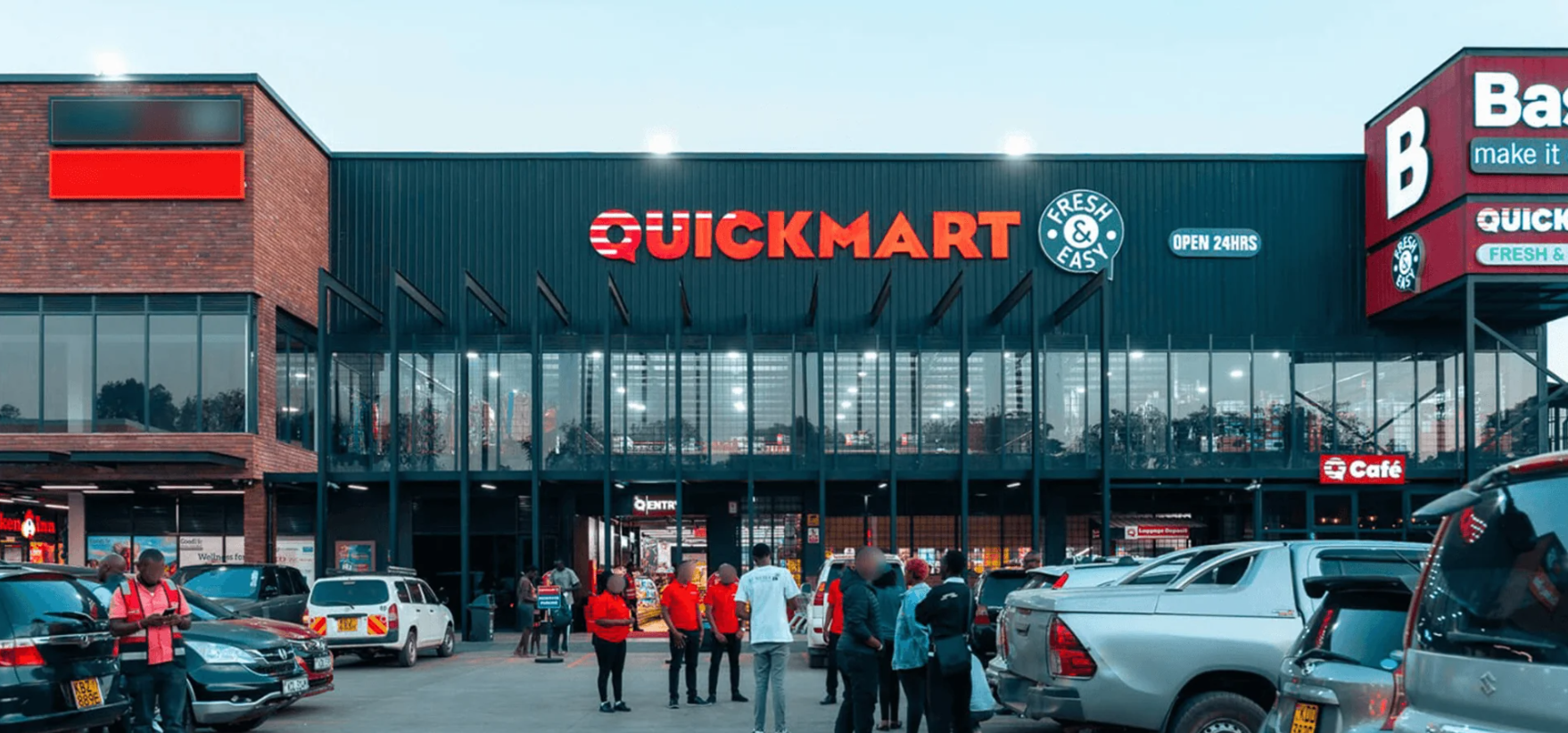
Quickmart is preparing to list on the Nairobi Securities Exchange (NSE), giving the public an opportunity to buy a stake in one of Kenya’s largest supermarket chains. The retailer began with a single store in Nakuru in 2006 and has since grown into a national business. As of June 2026, it operated 68 stores across 16 counties. It opened four more outlets in July and August, according to its IPO Information Memorandum. Quickmart describes itself as Kenya’s second-largest supermarket chain by store count and turnover, with an estimated 15% share of the formal grocery retail market. The listing offers investors a chance to participate in the business, but it comes with an important distinction: Quickmart is not raising fresh capital through the IPO. Instead, its existing owner is selling part of its stake, meaning the proceeds will go to the shareholder rather than directly into the supermarket’s expansion plans.
What is Quickmart offering, and who gets the money?
Sokoni Retail Kenya Limited, which currently owns 100% of Quickmart, is offering 2 billion existing ordinary shares at KES 7.50 each. The shares represent 50% of Quickmart’s issued share capital, putting the company’s implied equity valuation at KES 30 billion. The offer is valued at KES 15 billion, with Sokoni Retail Kenya expecting to receive approximately KES 14.4 billion after estimated transaction expenses. Quickmart itself will receive none of the proceeds, and no new shares are being issued. Sokoni Retail Kenya says the sale will allow its shareholders to realise part of their investment while broadening Quickmart’s shareholder base. Following the offer, the company will retain a 50% stake in Quickmart. Its shareholders include investment firm Adenia, the Kinuthia family – Quickmart's founders – the founders of Tumaini Supermarkets, and Quickmart Group CEO Peter Kang’iri. The business was formed through the combination of Quickmart and Tumaini, with effect from January 2020, and the former Tumaini stores now operate under the Quickmart brand. The existing owners will retain their respective ownership interests in Sokoni Retail Kenya, although their indirect stakes in Quickmart will halve as the holding company’s stake falls from 100% to 50%. Sokoni Retail Kenya has also agreed not to sell 60% of its remaining shares for 24 months after listing, subject to the exceptions set out in the Information Memorandum. Quickmart also says that the transaction will not change its strategy, operations or executive leadership.
How has Quickmart been performing?
Quickmart’s audited financial statements for 2025 show a business that has grown its revenue and improved its profitability in recent years. Revenue rose from KES 25.7 billion in 2021 to KES 50.4 billion in 2025, an annualised growth rate of 18.4%. Net profit increased from KES 182.6 million to approximately KES 1.51 billion over the same period. The same momentum continued into 2026. For the six months ended June 30, Quickmart reported revenue of KES 27.3 billion and net profit of KES 872.8 million. Its earnings before interest, taxes, depreciation and amortisation (EBITDA) reached KES 2.8 billion, equivalent to a margin of 10.3%. Supermarkets typically operate on relatively thin margins, making scale and cost control important to profitability. Quickmart says its approach includes centralised procurement, high asset turnover and fresh-food offerings under its Fresh & Easy brand. The company also operates a negative working capital model. In practical terms, it collects money from customers at checkout while paying suppliers according to agreed credit terms. This timing difference can help fund day-to-day operations without relying as heavily on external financing. However, the model depends in part on maintaining supplier credit and managing cash obligations carefully. The Information Memorandum reports lease liabilities of approximately KES 7.9 billion as of June 2026. Investors should also consider the company’s working-capital position and other risks detailed in the Information Memorandum’s risk factors section, rather than assessing its prospects on revenue growth alone.
What about dividends?
Quickmart’s proposed dividend policy may appeal to investors looking for income from their shares. After listing, the company intends to target a payout of 95% of profit after tax for the 2026 financial year, 90% for 2027 and at least 80% annually thereafter, with payments intended to be made semi-annually. The company has also projected a KES 0.50 dividend per share for FY2026. At the KES 7.50 offer price, that would translate into a dividend yield of approximately 6.7%, based on the company’s projections in the IPO Information Memorandum. These figures are projections, however, and do not represent guaranteed returns. Dividends remain subject to the board’s discretion, the company’s profitability, cash requirements and other considerations. There is also a historical detail worth noting: Quickmart paid approximately KES 1.65 billion in dividends in FY2025, exceeding its reported net profit of around KES 1.51 billion. That does not, by itself, determine whether future dividends are sustainable, but it makes the company’s cash generation and proposed payout policy important considerations for prospective investors.
Who are the cornerstone investors?
Four institutional investors have expressed interest in Quickmart’s IPO through cornerstone commitments. According to Quickmart’s announcement on the commitments, MOBILIST, RWC Asset Management LLP and 337 Frontier Capital, LP have submitted accepted applications totalling US$40 million, while the International Finance Corporation (IFC), a member of the World Bank Group, has conditionally committed up to a further US$15 million. Together, the commitments total up to US$55 million, equivalent to approximately KES 7.12 billion. At their full disclosed amounts, the commitments would account for around 47.5% of the KES 15 billion offer. However, IFC’s participation remains subject to approval by its board of directors and completion under the offer terms. The offer is not underwritten. It is conditional on valid applications for at least 75% of the shares on offer (equivalent to 1.5 billion shares) and allotment to at least 250 investors. If the conditions are not met and are not waived or reduced with the required regulatory approval, the offer may lapse and application monies would be refunded.
How can investors apply?
The offer is open to eligible Kenyan investors, investors from other East African Community Partner States and certain foreign investors, subject to the restrictions in the Information Memorandum. The minimum application is 500 shares, costing KES 3,750 at the offer price. Additional applications must be made in multiples of 100 shares. Applicants must have a valid Central Depository System (CDS) account, where their allotted shares will be held electronically. Investors unfamiliar with the process can consult the Central Depository and Settlement Corporation for information about CDS accounts. Applications can be made through the Quickmart IPO application portal, via USSD by dialling 483803# (for applications of up to KES 250,000 per payment), or by submitting a physical application form through a placing agent. The offer opened on October 5 and is scheduled to close at 5 p.m. East Africa Time on October 30, 2026. Results are expected on November 6, with shares expected to be credited to CDS accounts and refunds to begin on November 11. Trading on the NSE is scheduled to start on November 12. These dates may change, with any amendments to be announced publicly. Once trading begins, investors will be able to sell their shares through a stockbroker or investment bank. However, there is no guarantee that shares will trade at or above the offer price, and investors could lose some or all of their investment.
What should investors weigh before buying?
Quickmart’s growth, improving profitability and plans to expand by approximately 10–15 stores annually provide a picture of an established retailer seeking to grow its national footprint. The company says future expansion will continue to be funded primarily through internally generated cash flow, rather than proceeds from the IPO. But the offer also means investors are buying into the business at a fixed valuation without injecting new equity into it. The proposed dividends are not guaranteed, and the company’s lease obligations, working-capital needs and other risks matter alongside its growth prospects. The Quickmart IPO Information Memorandum sets out the company’s financial position, valuation assumptions and risk factors in greater detail. Prospective investors should read it carefully and seek independent professional advice if they are unsure whether the investment suits their circumstances. A listing creates a new way for the public to own part of Quickmart. Whether the shares are worth KES 7.50, however, is a decision each investor must make after weighing the company’s prospects against the price and the risks.