Safaricom Has Crossed 1 Million Fixed Internet Subscriptions
General
Published: 2026-09-24T15:33:35 · Updated: 2026-09-24T13:33:35Z
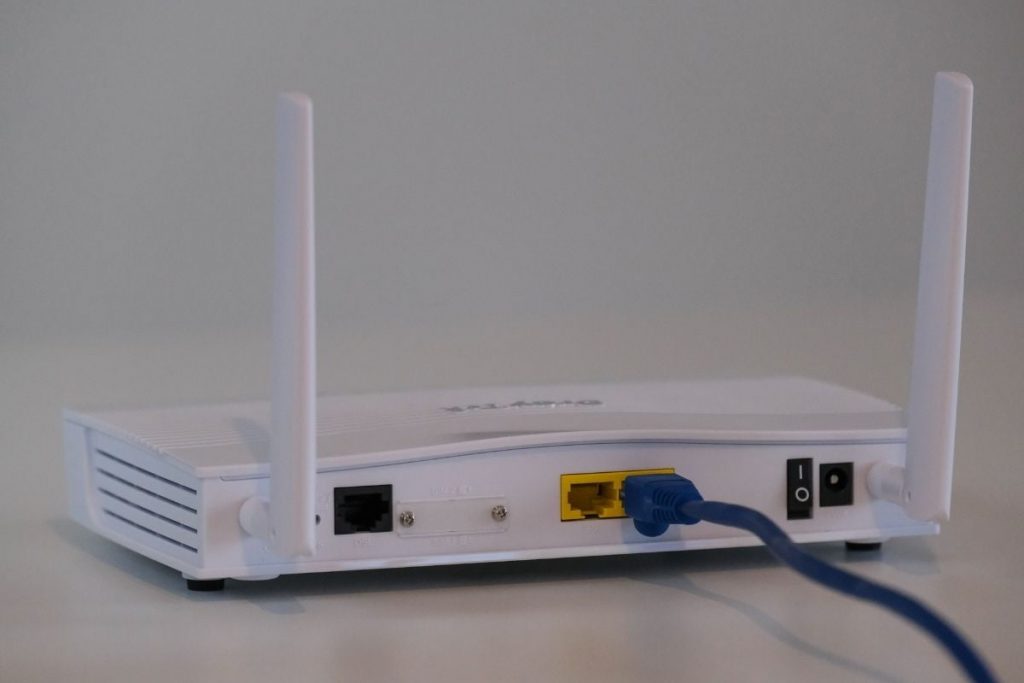
Safaricom has crossed 1 million fixed internet subscriptions in Kenya, becoming the first provider to reach the milestone. They had 1,024,950 connections by the end of June, giving it 36.1% of the country's 2.84 million fixed subscriptions. Faiba, the second-largest provider, had 541,003, while Zuku had 294,375. Safaricom now has more fixed internet customers than those two combined.
That number looks even bigger when you go back to where the company started. In June 2014, Safaricom had just 7,222 fixed subscriptions and held about 7% of the market, putting it in fifth place. Twelve years later, its subscriber base is 142 times larger, and the company has been sitting at the top of the market since 2020.
The climb started with fibre
Safaricom launched Vuma@Home in July 2014, starting with one estate in Nyayo Embakasi. A 5 Mbps connection cost KSh2,999 a month, and the company was entering a market where Zuku already had a sizeable lead. Wananchi Group had 44,254 fixed subscriptions that June, more than six times Safaricom's base, and its share of the market would reach 53.6% the following year.
By September 2017, it had reached 40,015 subscriptions and moved into second place. It passed 100,000 in December 2018, then overtook Zuku for the first time in the quarter ending September 2019 with 154,603 subscriptions against Zuku's 151,548. Zuku briefly reclaimed the lead, but Safaricom passed it again in June 2020, when its 207,398 connections edged past Zuku's 201,605. It has not given up first place since.
The gap has since become difficult to close. Safaricom now has almost three and a half times Zuku's fixed subscriptions, and its own growth has accelerated sharply in the last few years.
It took the company more than five years to go from 100,000 subscriptions in December 2018 to 522,217 in March 2024. Doubling that number took just 27 months. In the year to June 2026, Safaricom added 289,201 fixed subscriptions, growing its base by 39.3%, with 166,556 of those additions coming in the final six months. Kenya added 693,943 fixed subscriptions during the same period, so Safaricom captured 41.7% of all new connections.
Fibre is no longer the whole story
The network underneath that growth has expanded with it. Safaricom's fibre footprint reached 21,000 kilometres by March 2026, up from 18,300 kilometres a year earlier, and now passes 807,016 homes. Of those, 739,380 are connected.
But Safaricom is no longer relying on fibre alone to get into people's homes. The company launched 5G WiFi in October 2022, giving customers a fixed connection without waiting for a fibre cable to reach the building. Its 5G fixed-wireless customer base grew 53% in the year to March 2026, while 5G accounted for 52.3% of its new fixed connections.
The other change is happening at the bottom of the price range. Fibre Lite starts at KSh1,500 for 15 Mbps, Wi-Fi Bamba starts at KSh1,600 for the same speed, and Wi-Fi Bamba Boma Yangu goes down to KSh800 for 10 Mbps in government Affordable Housing projects. Safaricom has been able to keep expanding the addressable market while its fibre network and 5G footprint grow underneath it.
The same KSh2,999 now buys eight times the speed
There is a neat way to measure how much Safaricom's fixed internet business has changed. In 2014, KSh2,999 bought 5 Mbps on Vuma@Home. Today, the same amount buys 40 Mbps on Bronze Home Fibre.
Safaricom raised the speeds on its Home Fibre plans in April 2026 without raising their prices. Bronze moved from 15 Mbps to 40 Mbps, Silver from 30 Mbps to 60 Mbps and Gold from 80 Mbps to 150 Mbps. The company has also started tying its home internet service more closely to its mobile network through Pata More, which lets Home Fibre customers add shared data or minutes for up to five Safaricom numbers.
Even the economics are moving in the same direction. Safaricom's fixed business, combined with its Internet of Things unit, generated KSh20.2 billion in the year to March 2026, while consumer fixed revenue grew 19.5% to KSh9.03 billion.
And the market underneath it is growing quickly. Kenya had 2.84 million fixed subscriptions by June, up 32.4% in a year. Safaricom held 36.1% of them, followed by Faiba at 19.1%, Zuku at 10.4%, Ahadi Wireless at 9.5% and Poa Internet at 8.8%.