She Code Africa marks 10 years, shifts focus from access to leadership and ownership
General
Published: 2026-09-22T22:12:22 · Updated: 2026-09-22T20:12:22Z
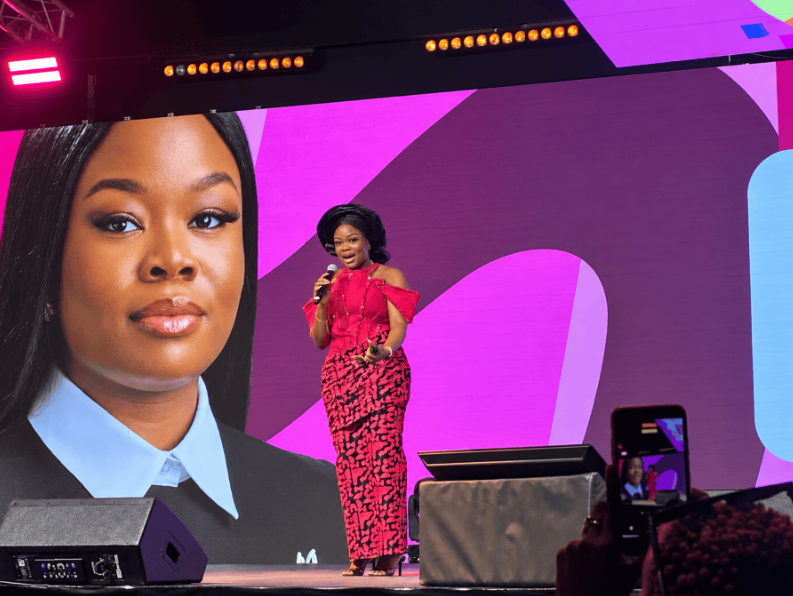
Access was the first problem. Leadership, ownership, and capital are the next ones.
She Code Africa marked its 10th anniversary at its annual summit in Lagos last week, and the conversations on stage reflected an organisation that has moved on from the question it started with. Getting African women into technology is no longer the hard part. What happens after they arrive is.
Founder and Executive Director Ada Nduka Oyom has been building toward this moment since 2016, when She Code Africa began as a storytelling initiative designed to make African women in tech visible. It became a community platform in 2019, then expanded into structured learning programmes, scholarships, and digital literacy initiatives. The organisation says it has now impacted more than 65,000 women and girls across more than 20 African countries.
But Oyom was direct about what the past decade has taught her. "You can train a woman, if you don't give her that opportunity, it's just a dead end," she said. Training alone doesn't solve the problem if the barriers above entry level remain untouched.
The Ceiling Nobody Talks About Enough
The pattern Oyom described is familiar to anyone watching the numbers. Women enter the industry. They don't progress. They stay at the lower levels while the decision-making positions, the capital allocation, and the ownership of infrastructure remain concentrated elsewhere.
"The limitation is that these women come in, and then they don't grow. They don't progress," she said.
Napa Onwusah, Managing Partner at B4B Partners, built the same argument from her own experience. She entered technology when women represented a tiny fraction of her engineering faculty, later encountered employers who refused to hire women for technical roles, and eventually built a career across Microsoft, Visa, Cisco, Google, and Amazon Web Services. The trajectory didn't change the broader picture.
"Access has gotten us here," Onwusah said. "But the question I want to ask us all, are we satisfied with just having access?"
Her answer was a call to move from presence to power, more women building products, leading companies, writing cheques, and sponsoring other women into rooms they haven't been invited into yet. On funding specifically, she made a point that often gets missed in these conversations: increasing the number of women inside investment firms isn't the same as increasing the flow of capital to women-led startups. "We need more women that have money that can fund projects," she said.
Visibility Without Ownership Is a Starting Point, Not a Destination
Creator and entrepreneur Adeife Adeoye brought a different angle to the same question. She started making content to share information and realised the impact was larger than she expected when women told her the content had helped them find jobs and opportunities.
"It's not just about me being seen. I was creating access for other people because I'm sharing," she said.
But she was careful about where visibility ends. Posting consistently on social media is one way to be seen. Communities, events, professional relationships, and the quality of the work itself are others. More importantly, she argued that visibility should eventually convert into something more durable than a following.
"We've been talking, I think, for the past five to ten years about how we can get women in this room," she said. "Okay, now you're here, now what? What are we building? What are we owning?"
Who Actually Controls Africa's Digital Infrastructure
A panel at the summit pushed the ownership question into more specific territory, examining how much control Africans, and African women specifically, actually have over the infrastructure running the continent's digital economy.
Oluwatosin Fatokun offered a view worth sitting with. Full ownership of every layer of the technology stack isn't necessarily the right first target. "I don't think the goal is to own the entire infrastructure or own the entire value chain, but play a very significant role in the management of the infrastructure," she said, pointing to governance, security standards, and data policy as the levers that matter most while African businesses continue depending on global technology providers.
What the Next Ten Years Look Like
She Code Africa is also watching how artificial intelligence reshapes the skills its programmes need to teach. Oyom said the organisation is exploring how to incorporate AI into the fundamentals of its academy work, including software development and product management.
The broader ambition is an ecosystem where African women don't just have a path into technology but have a realistic shot at progressing through it, reaching leadership, building companies, and shaping the infrastructure the continent runs on.
Ten years of access work created the foundation. The next phase is the harder conversation about what access was actually supposed to lead to.
Source: TechCabal