Shelter Afrique's CFA60 billion bond could offer a blueprint for housing finance in East Africa
Finance
Published: 2026-11-26T11:22:32 · Updated: 2026-11-26T10:22:32Z
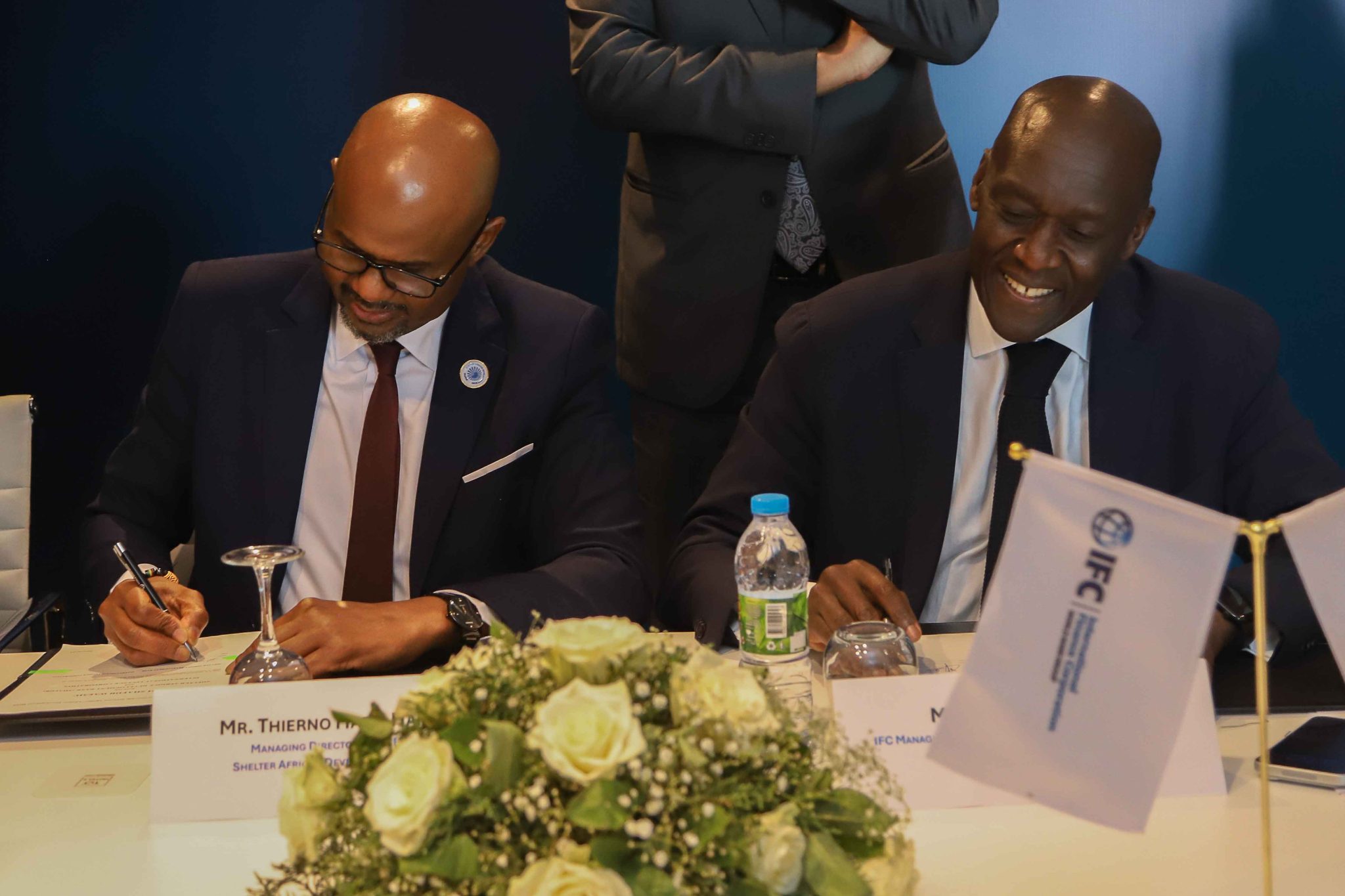
Shelter Afrique Development Bank has raised FCFA60 billion (approximately US$100.1 million) through its first sustainable bond issuance, tapping the West African Economic and Monetary Union (WAEMU) regional market to finance affordable and energy-efficient housing. The Nairobi-headquartered lender's five- and seven-year bond tranches attracted anchor investment from the International Finance Corporation (IFC) and Ecobank Group, through Ecobank Senegal, alongside other regional financial partners. The issuance marks an attempt to mobilise capital within the region's own financial markets rather than relying entirely on foreign-currency funding. That approach could have wider implications for African housing finance, particularly as Shelter Afrique prepares to take a similar model into East Africa. The first phase of the programme is expected to support a pipeline of 17,554 housing units and generate 87,772 jobs across the WAEMU region, which faces an estimated housing deficit of 3.5 million units. Proceeds are restricted to affordable, sustainable and energy-efficient housing projects across the region.
Financing housing in local currency
The bond is structured across two tranches: a five-year instrument carrying an interest rate of 6.10% and a seven-year tranche at 6.30%. Both are denominated in West African CFA francs, allowing Shelter Afrique to raise funds in the currency used across the WAEMU bloc. Currency denomination is particularly important in housing finance, where projects often take years to develop and generate returns. When developers borrow in dollars or euros but earn revenue in local currency through property sales or rental income, exchange-rate fluctuations can increase repayment costs and undermine project viability. Financing raised in the same currency as the underlying projects can reduce that mismatch, although the extent of the benefit will depend on how Shelter Afrique deploys the proceeds and structures its lending. The transaction also brings together institutions with different roles in the regional financing ecosystem. IFC and Ecobank Senegal participated as anchor investors, while the West African Development Bank (BOAD) was among the participating financial partners. CGF Bourse Dakar served as lead arranger, with UCA as co-lead manager. The bond was developed with technical assistance from the Global Green Growth Institute (GGGI), supported by funding from the Government of Luxembourg. That work included the development of a Sustainable Financing Framework, which received a favourable Second-Party Opinion from S&P Global and regulatory approval from the West African regional financial markets regulator, AMF-UMOA. The framework provides the basis for directing proceeds towards eligible sustainable housing and urban development activities. It also gives investors a clearer account of how funds are intended to be allocated, an important consideration for an instrument marketed as sustainable finance.
Shelter Afrique wants to bring the model to East Africa
The transaction has particular relevance for East Africa because Shelter Afrique is headquartered in Nairobi and has indicated that it intends to replicate the approach in other markets. Managing Director Thierno-Habib Hann said the bank plans to mobilise local investors alongside international partners, beginning with the WAEMU issuance and expanding into four East African countries in 2027. That would extend the model beyond a single regional bond sale. Rather than depending solely on external development finance, Shelter Afrique wants to draw on domestic savings and institutional investors to fund housing projects in the markets where the capital will be deployed. The approach could be relevant to countries such as Kenya, Uganda and Tanzania, where housing affordability remains a major development challenge. Local-currency funding can help limit borrowers' exposure to foreign-exchange movements, while bond issuance offers a way to channel longer-term investment into a sector that requires substantial upfront capital. The participation of IFC and Ecobank also demonstrates how international development finance institutions and regional banks can help bring institutional investors into such transactions. IFC's involvement provides an international anchor, while Ecobank brings regional banking relationships and access to West African financial markets. However, replicating the issuance elsewhere will depend on more than investor interest. Each market has its own regulatory requirements, investor base and capacity to absorb long-term debt. The ability to develop a credible project pipeline and demonstrate that housing developments can generate sufficient returns will also influence whether similar bonds can be issued at scale.
The challenge of financing affordable, sustainable homes
Shelter Afrique's use of a sustainable financing framework also places conditions on how the proceeds can be deployed. The funds are intended for affordable, sustainable and energy-efficient housing, linking the bond's financial objectives with wider social and environmental priorities. Delivering on those commitments will require projects that meet the framework's eligibility criteria while remaining financially accessible to their intended beneficiaries. The scale of the projected pipeline makes implementation particularly important: the 17,554 housing units and 87,772 jobs are expected outcomes, not results already delivered. The lender is owned by 44 African governments, the African Development Bank and Africa Re, and has a mandate covering sustainable housing, urban development and related infrastructure. The lender's next challenge will be to demonstrate that the WAEMU transaction can be translated into repeatable financing programmes in other regions. Its planned expansion into East Africa will provide an early indication of whether local-currency sustainable bonds can become a more regular source of capital for affordable housing projects.