Spiro Raises $215M and Africa's First EV Unicorn Is Coming
Published: 2026-06-03T07:03:54 · Updated: 2026-06-03T05:03:54Z

Impact Fund Denmark and Equitane, the investment vehicle of founder Gagan Gupta, backed the round. It pushes total fundraising in the last nine months to $365 million and puts the valuation within touching distance of $1 billion which is the unicorn threshold Africa's EV sector has never crossed.

The $215 million is equity, which matters. February's $50 million from Afreximbank was debt. October 2025's $100 million from FEDA was development finance. This round is pension capital from Denmark — Lars Bo Bertram, CEO of Impact Fund Denmark, said plainly that his firm sees "significant commercial growth potential" in e-mobility. Climate impact is a bonus, not the thesis. That distinction matters when you are trying to understand why this round feels different from the ones before it.
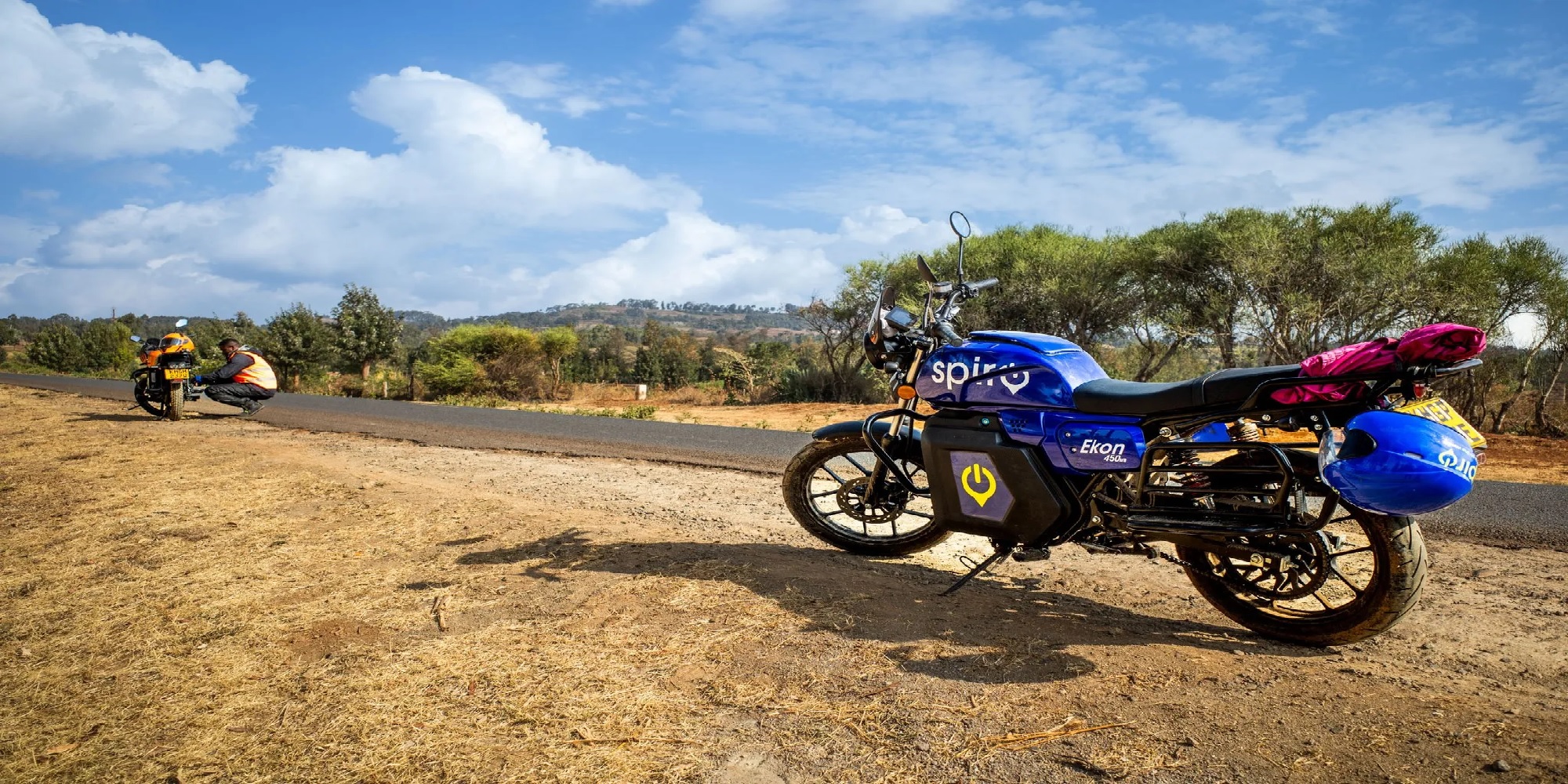
Spiro now has 100,000 electric motorcycles across seven countries, 2,500 battery-swap stations, 30 million completed swaps, and a 60% share of new electric motorcycle sales in Kenya in 2025. New markets in preparation include Ethiopia, DRC, Malawi, and Mali. The company assembles bikes in Kenya, Rwanda, and Uganda, and runs a battery recycling facility in Nigeria. Six thousand people work for it directly or indirectly.
This is not a clean-energy story at its core. It is an economics story. A boda boda rider in Nairobi earning KES 1,500 a day can spend up to KES 600 of it on petrol and basic maintenance. Spiro claims a switch to its bikes cuts daily costs by up to 40%, saving roughly KES 260 per day. That is not a small number when you are working six days a week and paying rent in Githurai. Multiply it across 100,000 riders and you understand why investors who care about returns, not just impact, are now at the table.
Battery swapping is what makes the model work in practice. Plug-in charging means parking for hours. Swapping takes under two minutes. Just hand over the dead battery, ride out with a full one. Spiro owns the batteries. You pay per swap. It is not unlike buying airtime, except the airtime keeps your engine running.

That structure also builds a captive network by design. Spiro's batteries are not interchangeable with ARC Ride or Ampersand. The rider who starts on Spiro stays on Spiro's swap infrastructure. Whoever owns the stations owns the relationship, indefinitely and right now Spiro owns the most stations on the continent by a significant margin.
There is a tension in this model that $365 million has not resolved. Kenyan riders have been pushing back for months. Podcaster Francis Kibe Njeri went viral earlier this year over one specific complaint: Spiro can remotely disable a motorcycle when a rider misses payments. The bike stops. Mid-route. With a passenger. The company has not addressed the policy publicly in detail, and the backlash has not slowed the fundraising but it is a crack worth watching as Spiro enters new markets where rider trust starts at zero.
Worth noting also: the R&D team of 150 engineers runs out of Pune, India. The "built for Africa" framing is loud in every press release. Both things can be true, but the gap between the narrative and the engineering address is one that local competitors will keep pointing to.
Africa has roughly 30 million motorcycle taxi riders spending an estimated $30 billion a year on petrol. Spiro has reached 100,000 of them. That is a rounding error on the total opportunity, which is exactly why Danish pension funds are writing nine-figure cheques into a four-year-old company. If the swap infrastructure holds and the rider economics stay honest, the unicorn valuation is not ambitious. It is probably conservative.
The next time the boda boda guy outside your office asks if you are hopping on, check the battery brand. There is a lot riding on it.