Starlink Passes 27,000 Subscribers in Kenya as Parts of the Country Hit Capacity
General
Published: 2026-09-27T09:28:42 · Updated: 2026-09-27T07:28:42Z
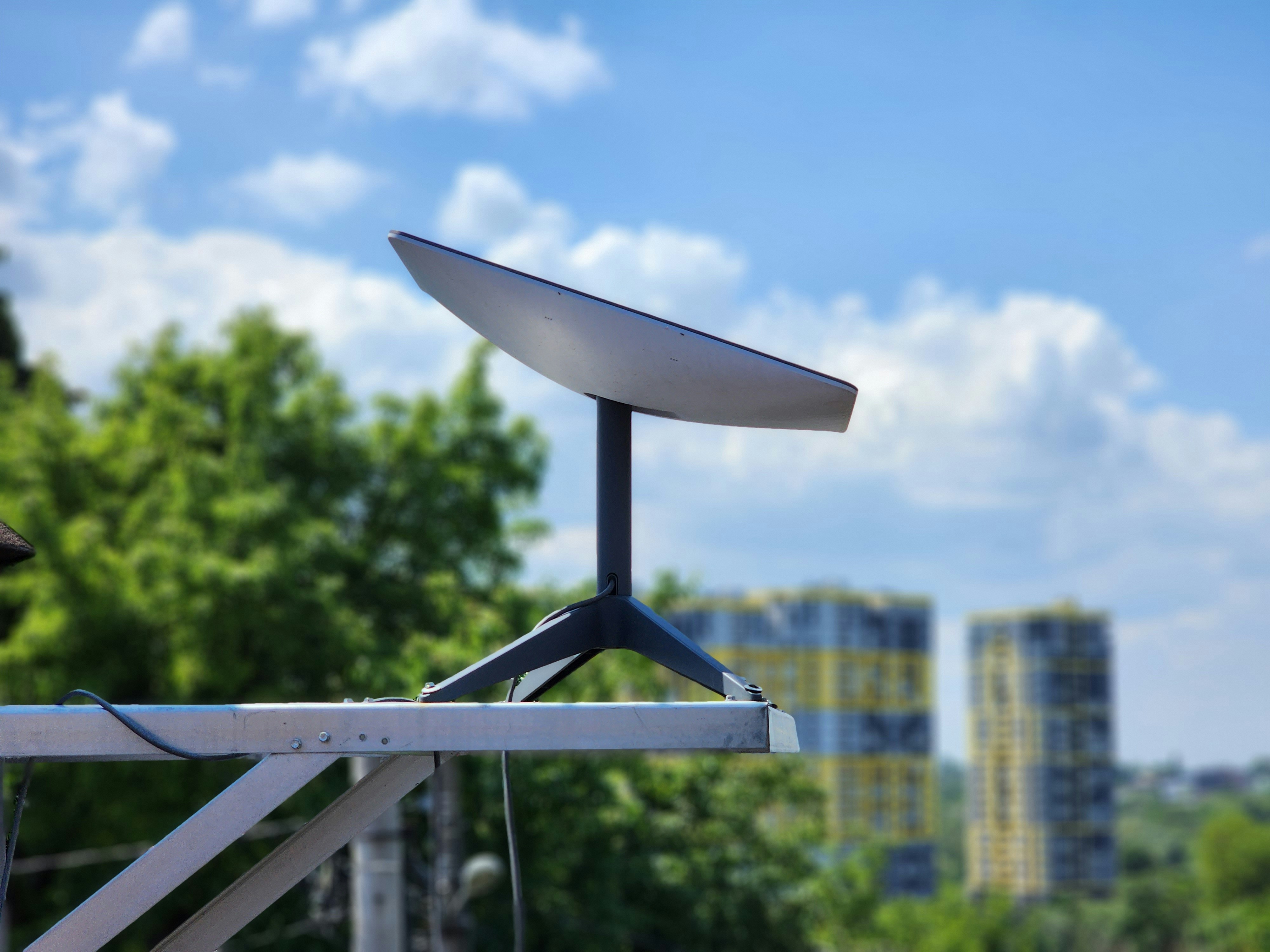
Starlink has passed 27,000 subscribers in Kenya, less than three years after launching in the country and despite repeatedly running into capacity limits in some of its busiest markets.
They had 27,616 subscriptions by the end of June. That is up from 24,999 three months earlier and 17,425 in June 2025, giving Starlink another 2,617 customers in the quarter and more than 10,000 over the past year.
Then, in July, Starlink stopped accepting new orders in seven counties.
Nairobi, Kiambu, Mombasa, Machakos, Murang’a, Kirinyaga and Kwale had reached capacity, leaving customers in those areas with the option to join a waitlist instead. The timing creates an unusual picture of Starlink’s Kenyan business: demand continues to push the subscriber count higher, but in some of the places where that demand is strongest, the company cannot currently take on more customers.
Starlink owns Kenya’s satellite market
Starlink’s 27,616 subscriptions account for almost every satellite internet connection in Kenya.
The country had 27,695 satellite subscriptions at the end of June, meaning Starlink held 99.7% of the market. Every other satellite provider combined had just 79 subscriptions. Satellite internet itself remains a small part of Kenya’s fixed broadband market, which stood at 2.84 million connections, but it was one of the fastest-growing categories over the period.
Starlink is not competing with fibre on equal terms yet; fibre had 1.57 million subscriptions by June, while terrestrial wireless connections accounted for another 1.03 million. Instead, Starlink has almost completely captured a much smaller market that is growing quickly, particularly among customers who have limited access to conventional broadband.
Satellite subscriptions increased by 54.4% year-on-year, reaching 27,695 by June. Starlink accounts for virtually all of that expansion, turning what was once a niche connectivity option into a growing part of Kenya’s fixed internet market.
The growth has not been smooth
Starlink’s subscriber numbers have moved in bursts since the company entered Kenya.
It had 8,063 subscriptions in June 2024, before almost doubling to 16,786 by September. The number climbed again to 19,146 in December, only to fall to 17,066 three months later as the company dealt with its first major capacity restrictions in the country.
That restriction was concentrated around Nairobi and neighbouring counties, where Starlink temporarily stopped accepting new customers. Once sign-ups reopened in June 2025, growth picked up again. The company reached 19,470 subscriptions in September, 22,282 by December and 24,999 by March 2026. Another 2,617 customers came aboard in the three months to June.
The pattern has now repeated itself. Starlink has spent the past year adding customers at a pace that would normally suggest there is plenty of room to grow, only for capacity constraints to close off parts of the country once demand becomes too high.
Starlink’s network is different from a conventional fibre rollout. A new fibre customer generally requires a physical connection to the network, while Starlink’s users share the capacity available from satellites serving their area. As the number of users increases, the company has to balance new sign-ups against the performance of the customers already connected.
Kenya has already seen what happens when that balance gets tight.
The previous restriction around Nairobi lasted roughly seven months before Starlink began accepting new orders again. The company has since expanded its local infrastructure, including activating a ground station in Kenya in early 2025 that reduced latency from around 120 milliseconds to about 53 milliseconds. Yet the subscriber growth has continued to put pressure on the network. Ookla recorded Starlink’s median download speed in Kenya at 34.55 Mbps in March 2026, down from roughly 47 Mbps a year earlier.
The latest restrictions cover seven counties, and Starlink is asking customers in those areas to place a deposit and wait for availability to return. There is currently no announced date for when the affected areas will reopen to new orders.
The market is still opening up
Starlink has also made the service cheaper to enter since its Kenyan launch, when the hardware cost around KSh89,000. Current offers have brought the price down substantially, with the standard kit selling for roughly KSh30,000 to KSh40,000 depending on the promotion. That has lowered the upfront cost at the same time that the service has become more familiar to Kenyan consumers.
There is another change coming to the market, too.
Amazon applied for a Kenyan licence for its Kuiper satellite internet service in April, setting the stage for another major low-Earth-orbit satellite operator to enter a market where Starlink currently has almost no direct competition.