Starlink’s 100Mbps plan expands globally, could land in Kenya at KES 2,000/month
AI
Published: 2026-06-12T06:45:14 · Updated: 2026-06-12T04:45:14Z
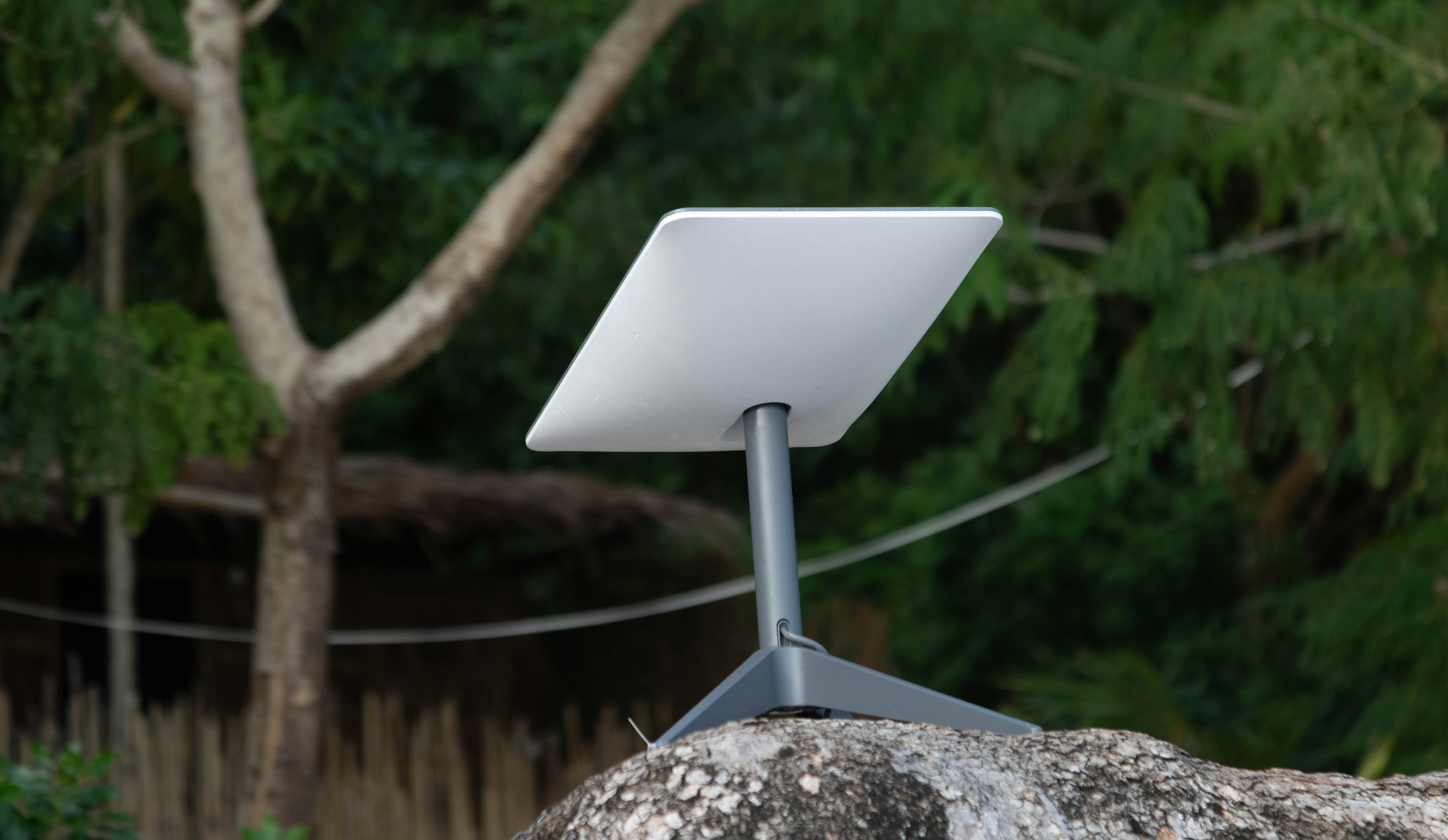
SpaceX is restructuring its global pricing tiers again. And this is creating an immediate headache for traditional home broadband providers across emerging markets. By breaking its entry-level options into smaller regional brackets, Starlink is moving fast to capture budget-conscious users who previously found satellite hardware entirely out of reach.
The assumption that satellite internet is purely a premium luxury for remote lodges no longer holds up. Starlink has already chipped away at local fiber dominance by activating its Residential Lite tier at KES 4,000 per month, alongside a highly aggressive KES 1,300 budget option for lighter households. Traditional internet service providers like Safaricom and Zuku, which frequently charge premium rates for modest 15 Mbps to 50 Mbps fixed lines, are suddenly forced to defend their urban strongholds against a satellite alternative offering triple the speed.
Historically, the massive upfront cost of the physical dish acted as a reliable shield for local telecommunications companies. Paying over KES 45,000 outright for equipment was an impossible financial barrier for the average household. To dismantle this specific bottleneck, Starlink introduced an official monthly hardware rental program at KES 1,950 alongside flexible installment plans for its compact Mini kit. These domestic payment structures allow suburban and rural homes to get online with a much lower day-one investment, bypassing predatory third-party lenders completely.
This localized strategy shifts the pressure directly back onto terrestrial networks to upgrade their infrastructure or cut their monthly rates. Safaricom has already responded by aggressively pushing more affordable 5G home routers, realizing that fixed lines are losing their default advantage. As hardware distribution expands and local payment paths mature, the battle for Kenyan home internet will be decided by raw value per shilling rather than traditional coverage maps.
Photo by <a href="https://unsplash.com/@n3gve?utm_source=unsplash&utm_medium=referral&utm_content=creditCopyText">Evgeny Opanasenko</a> on <a href="https://unsplash.com/photos/a-white-surfboard-sitting-on-top-of-a-metal-pole-mjKt6ReBB-I?utm_source=unsplash&utm_medium=referral&utm_content=creditCopyText">Unsplash</a>