Stellar East Africa Wraps Up First‑Ever Hackathon Focused on Kenya’s Domestic Work Sector
Published: 2026-02-17T10:48:53 · Updated: 2026-04-22T08:35:34Z
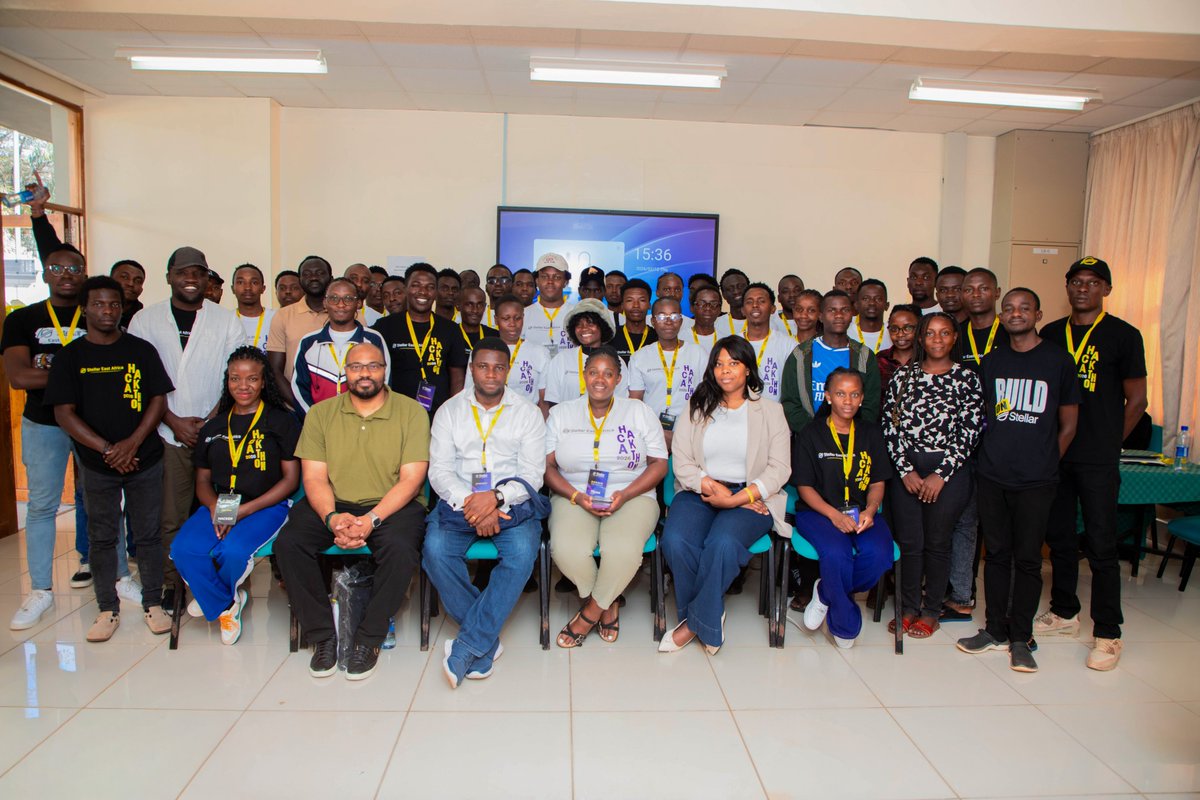
The three‑day event was orchestrated by a small but dedicated team of Kenyan organizers: Sarah Wahinya, Asman Malika and Samuel O’Hillary, who managed logistics, mentorship and the overall flow of the residency. Their efforts were complemented by a panel of seasoned advisors: DeAnn Abraham, Sheila Waswa, Ayodeji Awosika and Shaun Johnson. Together they guided participants through problem definition, solution design and rapid prototyping, ensuring that each project addressed real‑world pain points such as contract transparency, payment security and dispute resolution.
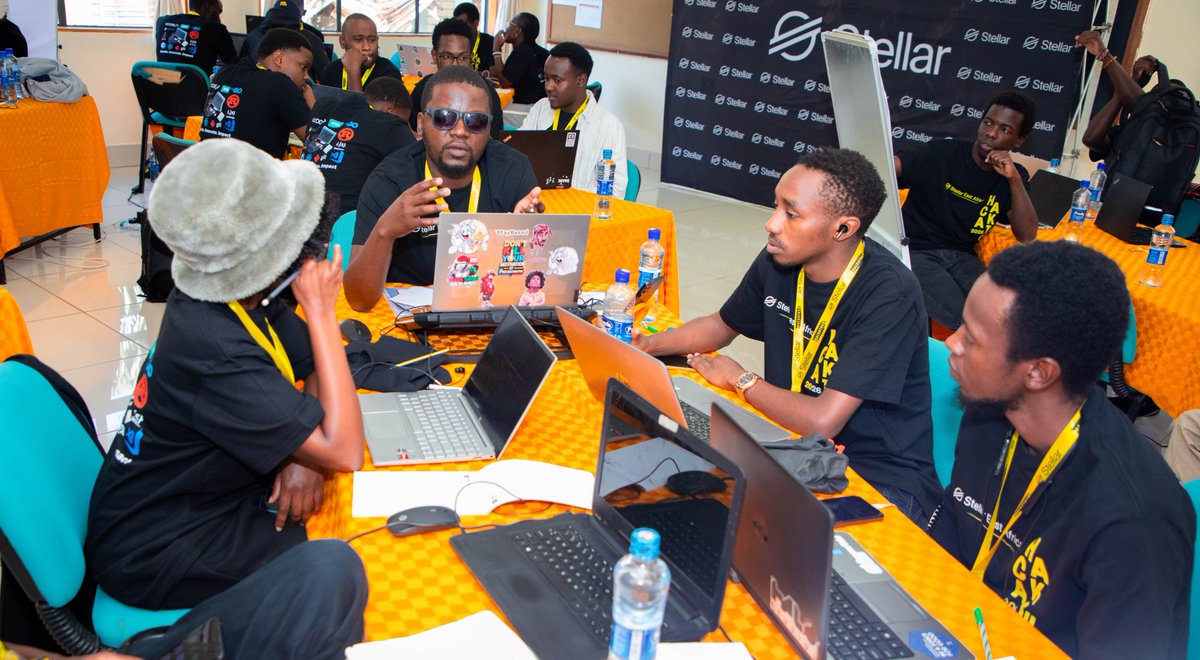

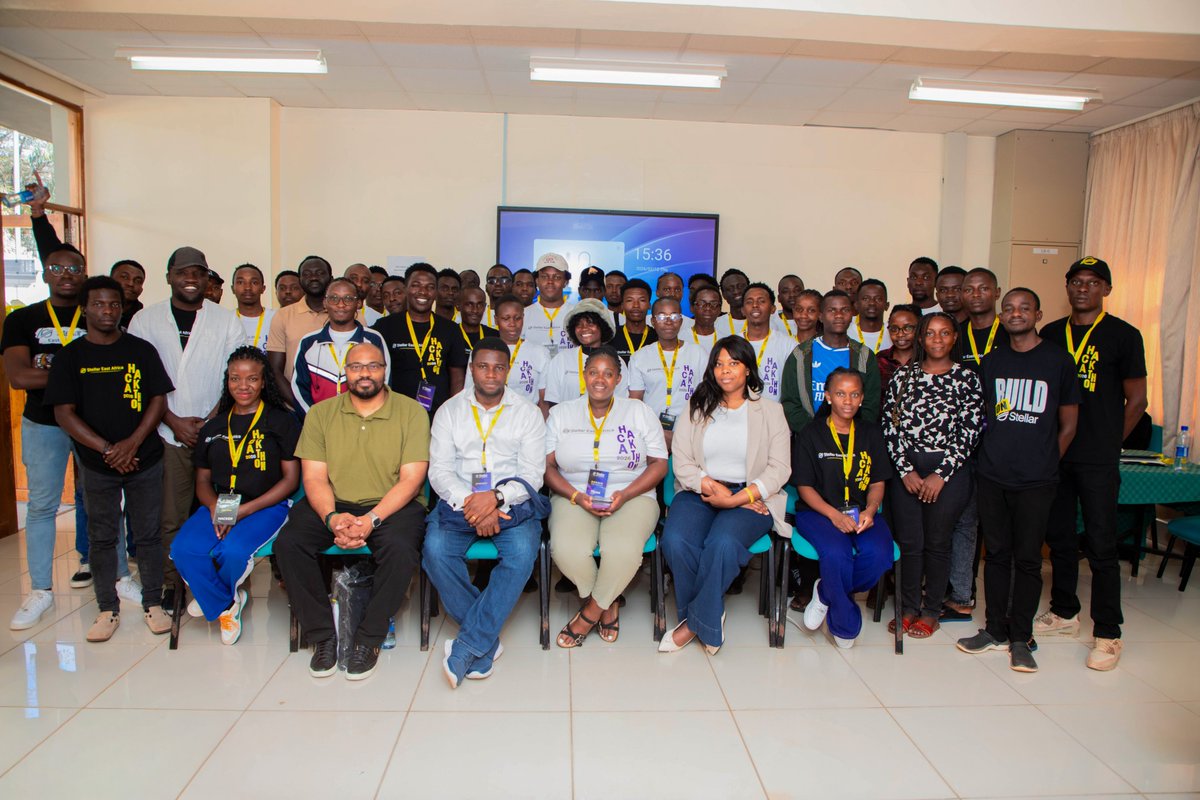

The hackathon’s focus on “trust and safety” reflects a broader recognition that Kenya’s domestic work market—estimated to employ hundreds of thousands—has long operated without robust digital safeguards. By leveraging Web3 tools and the Stellar blockchain, participants explored mechanisms for immutable record‑keeping, decentralized identity verification and automated escrow payments. While the tweet does not disclose specific prototypes, the emphasis on building on Stellar suggests that at least some solutions will integrate the network’s low‑cost, fast settlement capabilities.
Highlights
- Fully‑funded residency: All participants received financial support for the three‑day sprint, removing cost barriers and encouraging diverse talent to join.
- Cross‑disciplinary expertise: The advisory panel combined experience in blockchain, fintech, and social impact, providing a well‑rounded perspective on the sector’s challenges.
- Local ecosystem activation: Hosting the event at Cemastea Kenya, a known hub for tech meet‑ups, underscores the growing momentum of Nairobi’s startup scene and its willingness to address social issues through technology.
The hackathon’s conclusion marks a promising first step for StellarEastAfrica’s regional strategy, which aims to catalyze blockchain‑enabled solutions across East Africa. By zeroing in on domestic work, a sector often overlooked by traditional fintech initiatives, the residency demonstrates how targeted, short‑term programs can surface innovative ideas that might otherwise remain hidden in the informal economy.
As the dust settles, the next question is whether any of the prototypes will graduate into full‑scale products that can be adopted by households and agencies across Kenya. The momentum generated by this inaugural residency could well set the tone for future Stellar‑backed collaborations in the region’s most pressing social‑tech arenas.