Tanzania's PayPal Deal Bypasses Seven Years of Kenya's Technical Pain
Published: 2026-05-29T09:56:50 · Updated: 2026-05-29T07:56:50Z
Tanzania's PayPal Deal Skips Seven Years of Kenya's Technical Pain
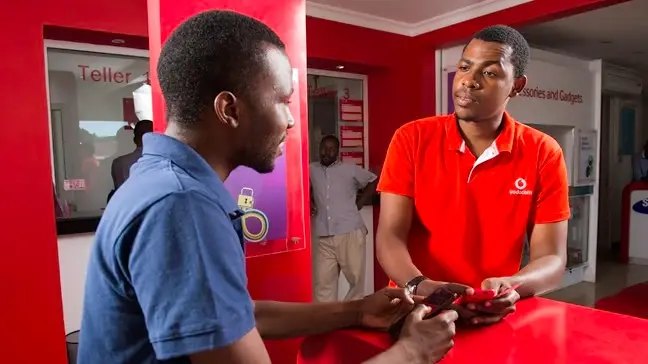
Vodacom M-Pesa Tanzania just announced a direct integration with PayPal inside the M-Pesa Super App. On paper, this looks familiar since Kenya did the exact same thing back in 2018. But Tanzania is launching with a crucial advantage: they are completely avoiding the portal mess that frustrated Kenyan users for seven years.
Why This Matters Right Now
Tanzania's M-Pesa platform connects 14.1 million mobile money users, and that base is growing fast. In the year ending March 2026, M-Pesa Tanzania revenue jumped 24.5% to TZS 734.8 billion. Leaving that many wallets disconnected from PayPal, the world's largest payment network, made no strategic sense. This is especially true when local freelancers, developers, and remote workers have had no stable way to receive international payments.
Until now, Tanzanians receiving PayPal funds faced a frustrating mix of workarounds, including third-party apps, unstable virtual cards, or asking relatives with Kenyan bank accounts to cash out for them. Vodacom's target audience is clear: software developers, virtual assistants, content creators, and online merchants dealing with global buyers.
Kenya's Seven-Year Lesson
When Safaricom introduced PayPal integration in 2018, they built it through a separate web portal managed by Singapore-based payment processor Thunes. For nearly a decade, Kenyan users battled frequent outages, browser login failures, and two-factor authentication glitches. Safaricom didn't kill that portal until August 2025, finally integrating everything directly into the main M-Pesa app.
Tanzania is launching straight inside the Super App on day one without a separate portal or legacy workarounds. Just a button in the app that connects wallets to PayPal. Straight up.
How Vodacom Made This Possible
This is the direct result of regional consolidation. Last year, Vodacom took a controlling stake in Safaricom, centralizing M-Pesa decisions across Kenya, Tanzania, the Democratic Republic of Congo, and Ethiopia. That unified ownership means successful features now cross borders quickly.
Tanzania gets to benefit from Kenya's seven years of operational learning without repeating the technical mistakes. Vodacom's financial services arm now spans over 103 million customers. Integrations that work in one market can move to the next without bureaucratic friction.
What Users Should Actually Expect
Based on how Kenya's service runs, eligible users should expect incoming PayPal funds to arrive exclusively in USD. There won't be a flat transaction fee because the cost is hidden inside Vodacom's daily foreign exchange spread.
The integration is convenient, but the real value lies in operational costs. Based on how Kenya's service runs, eligible users should expect incoming PayPal funds to arrive exclusively in USD. Beyond a standard flat transaction fee, the major cost hides inside Vodacom's daily foreign exchange spread. That margin varies constantly based on market conditions, forcing users who convert international payments through M-Pesa to pay an invisible FX tax. The question is whether the convenience is worth the premium you are actually paying.
For Tanzanian freelancers, the math probably still works. Seven years of outages and workarounds made the alternative look worse, and now there is a faster path. Whether that path is truly cheap depends entirely on how aggressively Vodacom prices their spread.