Tether Introduces New App to Simplify Crypto Transfers Globally
Published: 2026-04-16T15:00:29 · Updated: 2026-04-22T08:35:35Z

Branded as the “People’s Wallet,” the app aims to make sending money as easy and intuitive as sending a message, signaling a shift from infrastructure provider to consumer-facing platform.
For years, Tether’s role has largely been invisible to the average user. It has powered exchanges, facilitated remittances, and supported digital payments across more than 160 countries. With tether.wallet, however, the company is making its first direct move into the consumer space, targeting its reported 570 million global users. Built on an open-source Wallet Development Kit for both iOS and Android, the app reflects a broader ambition: to expand financial access to billions of people who remain underserved by traditional banking systems.
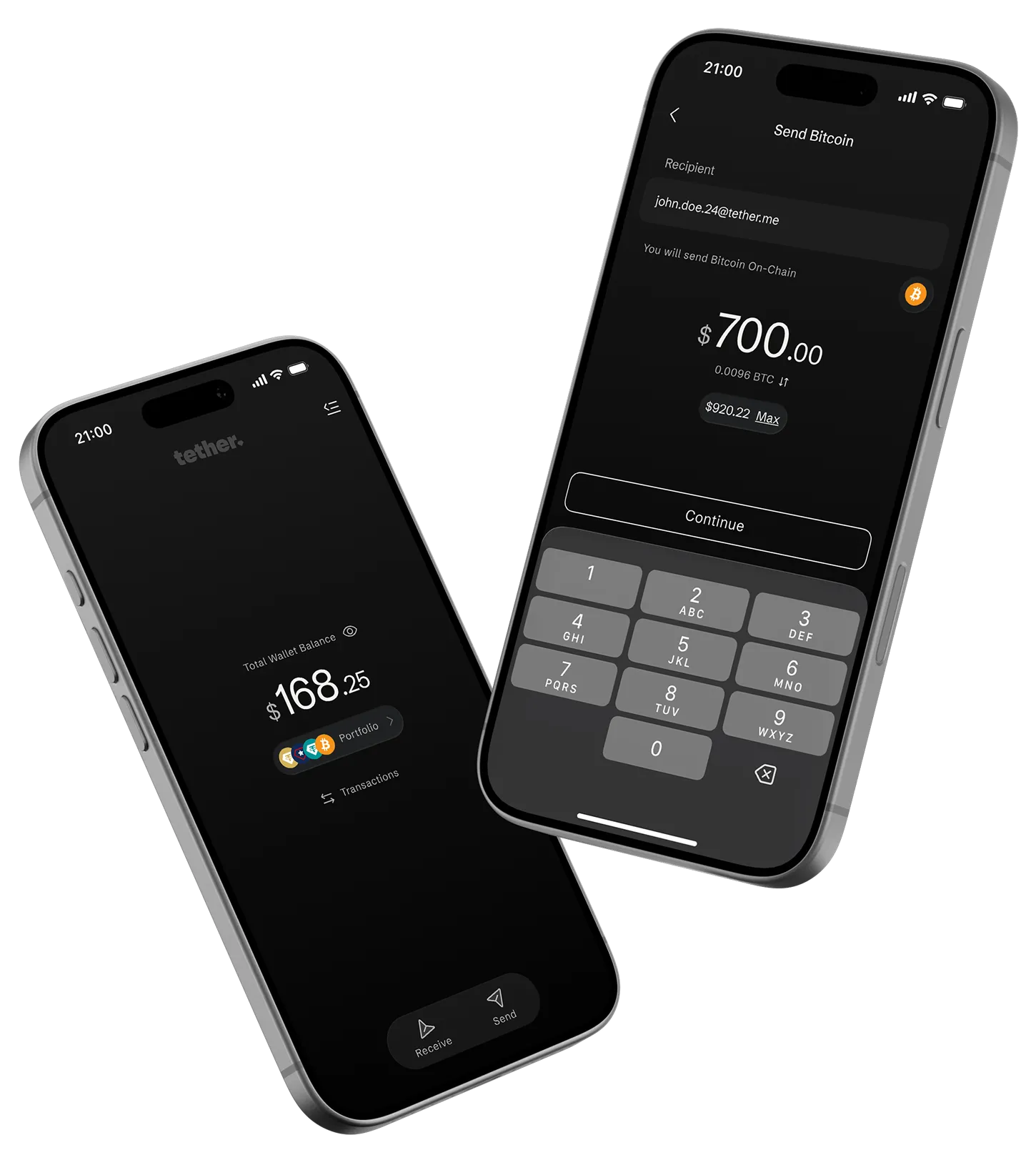
At the heart of tether.wallet is a focus on simplicity and control. The app emphasizes self-custody, meaning users retain full ownership of their funds. Private keys and recovery phrases are stored directly on the user’s device, and Tether never takes custody or signs transactions on behalf of users. While this gives individuals complete control over their assets, it also places responsibility squarely on them to safeguard their recovery phrases, as losing access could mean losing funds permanently.

To make the experience more approachable, the wallet replaces complex blockchain addresses with human-readable ones, such as “name@tether.me.” This small but meaningful change reduces the risk of errors and lowers the barrier for newcomers who might otherwise find crypto intimidating. In addition, the app introduces unified gas fees, allowing users to pay transaction costs using the same asset they are sending. Behind the scenes, tether.wallet handles the technical complexity across multiple networks, including Ethereum, Polygon, Arbitrum, and Bitcoin Lightning.
The wallet also supports a range of assets, including USDT, the U.S.-regulated stablecoin USA₮, gold-backed XAU₮, and Bitcoin on both its main chain and Lightning network. Future integrations, such as Plasma, are already on the roadmap. Another notable feature is the inclusion of QVAC AI, which enables on-device processing not just for human users, but also for machines and future AI agents. This points toward a future where programmable money and automated transactions become increasingly common in both consumer and industrial contexts.
This launch represents a broader strategic shift for Tether and the crypto industry as a whole. Stablecoins, once primarily used for trading and liquidity, are increasingly positioned as tools for real-world payments. The timing aligns with recent regulatory developments, including the introduction of USA₮ in early 2026, and partnerships like Rumble Wallet. With USDT maintaining roughly 70 percent dominance in the stablecoin market and tens of millions of new wallets being added each quarter, Tether is leveraging significant network effects similar to those seen in platforms like PayPal or Venmo.
Still, while the opportunities are substantial, challenges remain. On the positive side, tether.wallet could drive financial inclusion, particularly in regions where access to traditional banking is limited. Fast and low-cost remittances using Bitcoin Lightning, combined with stablecoins and gold-backed assets, offer practical alternatives in economies facing inflation or currency instability. The open development framework also invites innovation, allowing developers to build new applications and services on top of the wallet.
At the same time, concerns persist around centralization and transparency, as Tether’s reserves and operational structure continue to attract scrutiny. The wallet’s current feature set is also relatively narrow, with limited support for broader DeFi ecosystems or alternative tokens. Regulatory oversight is likely to intensify, particularly in the United States and Europe, which could shape how the platform evolves. Most importantly, self-custody introduces real risks for users, as there is no fallback if credentials are lost.
Ultimately, tether.wallet reflects a growing shift in crypto from speculative trading toward practical, everyday use. In markets like Kenya, where mobile money systems are already deeply embedded in daily life, such tools could eventually bridge the gap between traditional finance and digital assets. While it is still early days, the launch signals a future where sending, receiving, and managing money across borders becomes faster, simpler, and more accessible.