The Core’s Cohort 8 Graduates educate Githurai on BTC
Published: 2025-10-27T17:59:13 · Updated: 2026-04-22T08:35:34Z
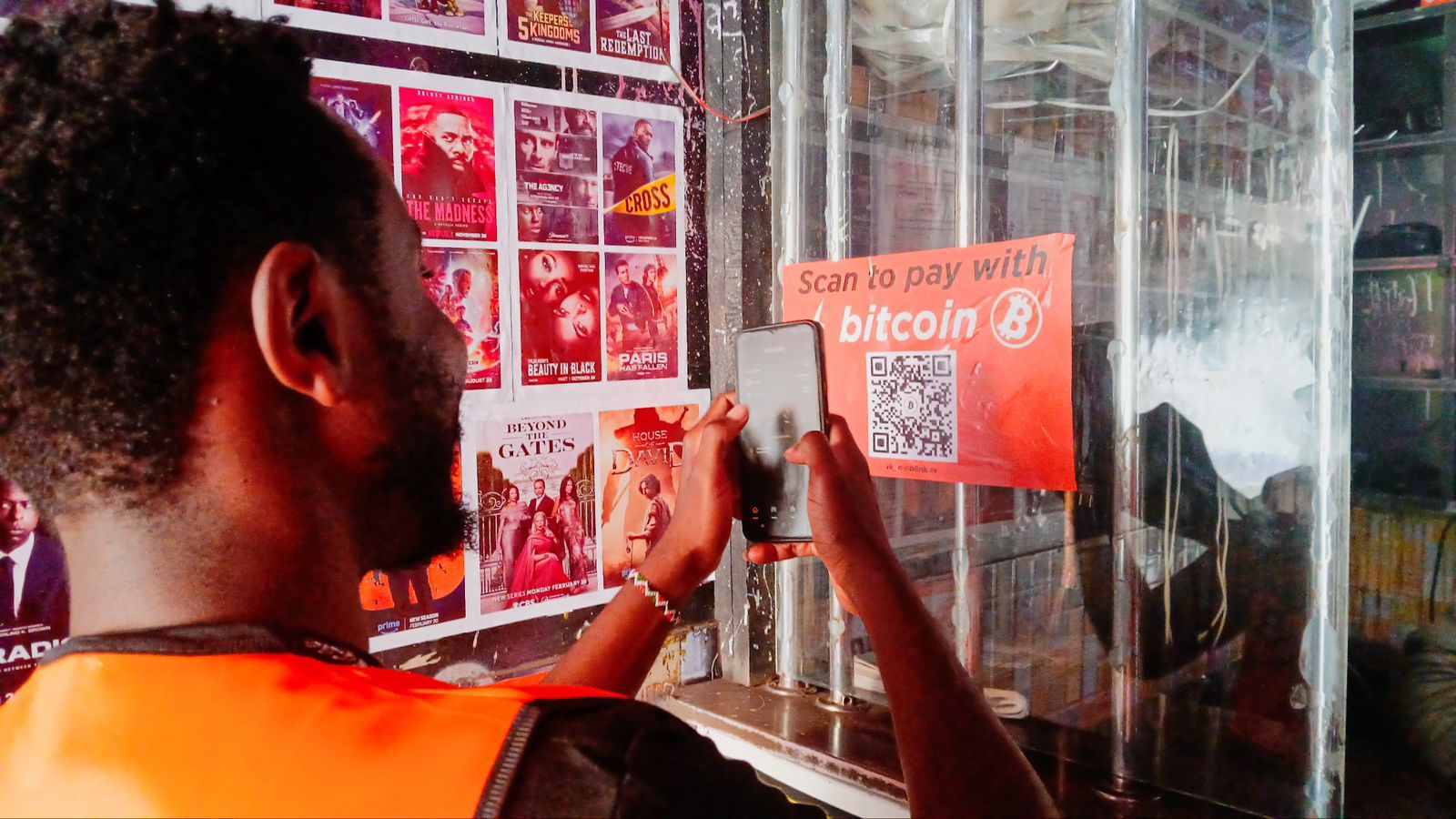
The visit, timed with the organization’s physical graduation ceremony at Bitcoin Unconference #004, showcased the group’s expanding footprint in emerging markets and underscored the role of its alumni in driving grassroots adoption.
The Core’s flagship program, #BitcoinEducation, has graduated more than 200 participants since its launch, positioning the organization as a leading conduit for Bitcoin literacy. Building on that momentum, the second initiative – the #BitcoinCommunity project hosted under the @bitcoingithurai handle – aims to nurture local ecosystems by connecting developers, merchants, and educators. The recent excursion brought together a mix of recent graduates and core team members, many of whom are alumni of The Core’s own training tracks. According to the organization’s X post, the trip “was a fantastic success” and highlighted “the energy of young people building with #Bitcoin.”

During the day‑long visit, participants attended workshops on Bitcoin node operation, explored use‑case pilots with local merchants, and engaged in informal networking sessions with Kenyan crypto entrepreneurs. The Core’s leadership noted that the hands‑on exposure not only reinforced the curriculum taught in the virtual classrooms but also offered graduates a tangible platform to apply their newly acquired skills. “Our entire core team consists of graduates of The Core, and their skills are already proving essential in the Bitcoin space,” the post read.
The event was documented through multiple media formats. Graduate Stacey Biko, a member of Cohort 3, published a written recap on the organization’s blog, inviting readers to “zap” her via the website’s tip‑button. Meanwhile, videographer Jay Gallardo, a Cohort 1 alumnus, released a vlog that captures the on‑ground dynamics of the Githurai community.

The Core’s activities align with a broader trend of nonprofit‑driven crypto education initiatives targeting regions where financial inclusion remains a challenge. As Bitcoin’s price volatility continues to attract both speculative capital and institutional interest, grassroots programs that demystify the technology are increasingly viewed as essential for sustainable adoption. By embedding its graduates within local ecosystems, The Core not only amplifies its educational impact but also creates a pipeline of talent that can contribute to the development of Bitcoin infrastructure in Africa.
The Core’s model is a potential blueprint for other blockchain education entities seeking to blend virtual instruction with real‑world community engagement. The organization’s ability to mobilize a global alumni network for on‑the‑ground projects could accelerate the formation of localized Bitcoin economies, particularly in markets where traditional banking services are limited.

The trip and its associated content have been made publicly accessible, allowing the wider Bitcoin community to gauge the effectiveness of decentralized education efforts. As The Core prepares for its next cohort, the organization’s leadership hints at expanding similar field initiatives to other emerging hubs across the continent.
Source: here