The US Air Force's cloud breach is a warning for East Africa's defence systems
General
Published: 2026-11-27T14:48:43 · Updated: 2026-11-27T13:48:43Z
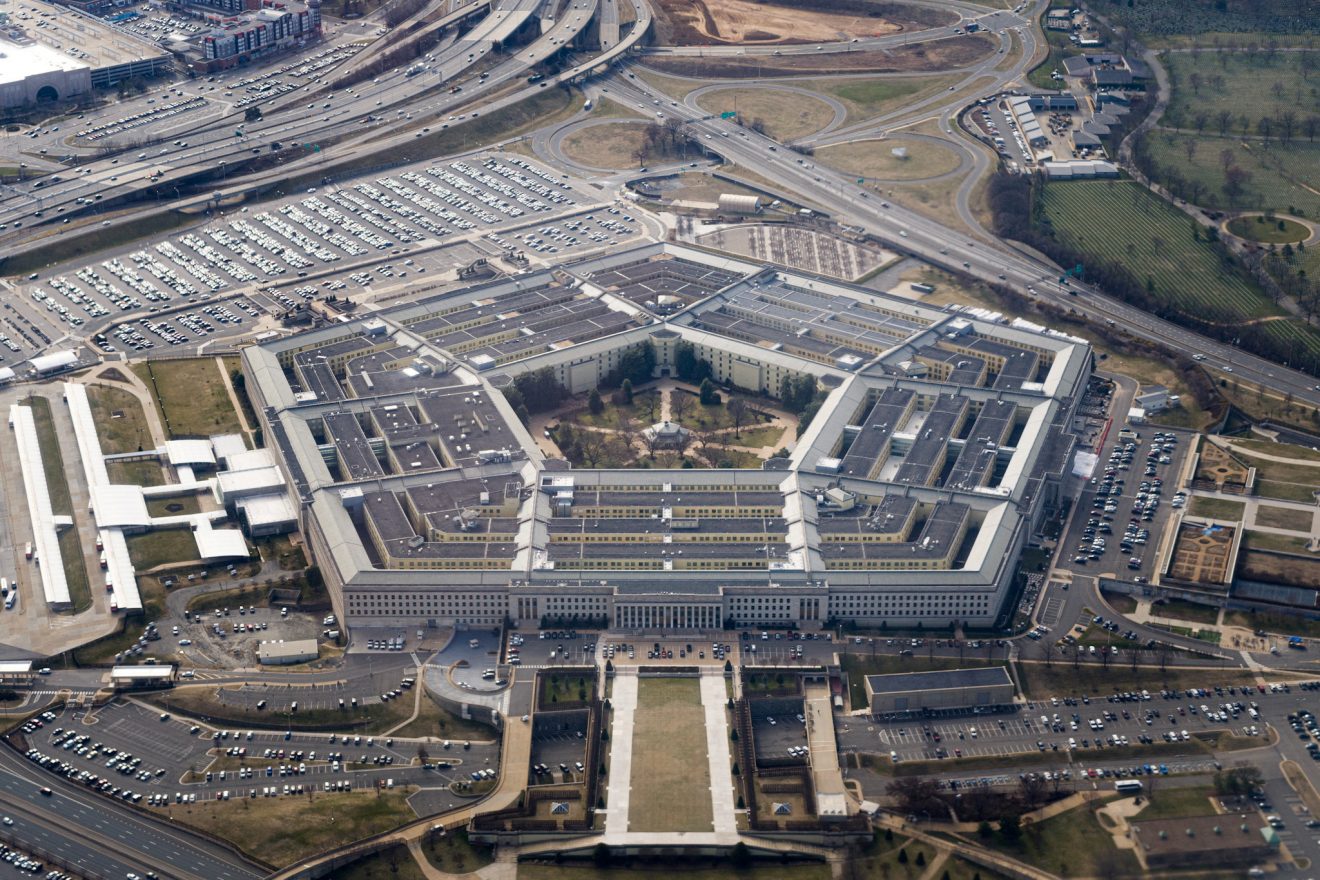
A cyber intrusion into the US Air Force's flagship cloud computing platform – Cloud One – has exposed the risks that come with consolidating critical government operations into interconnected digital systems. The breach reportedly disrupted applications used for personnel administration, logistics and maintenance, and investigators are assessing the extent of the intrusion. It is not yet clear who was responsible, whether information was stolen or how far the attackers gained access. Hackers breached the US Air Force's Cloud One platform, with the intrusion discovered during an upgrade and resulting in disruption across the system. The incident is significant because Cloud One is not simply a storage platform. Launched in 2017, it was designed to consolidate the Air Force's computing needs across services provided by Microsoft, Amazon, Oracle and Alphabet, supporting applications used across its operations. Among these are systems that manage personnel information and pay, as well as logistics and aircraft maintenance. The platform supports a range of Air Force applications, including those handling personnel data, pay, logistics and maintenance. Some of its applications have more direct operational implications. The Air Force's Cloud-Based Command and Control system brings together air defence radar and other data feeds from across North America, while the Theater Integrated Combat Munitions System tracks bombs and missiles across more than 200 Air Force locations worldwide. The two systems form part of the applications running on Cloud One. The reported intrusion has also affected how the platform is being managed. Efforts to migrate additional back-office applications onto Cloud One were paused, while updates to applications already running on it were blocked. Some users reportedly had their administrator privileges revoked. Investigators also brought in US Cyber Command to assess the damage. The breach led to paused migrations, blocked application updates and the revocation of some users' administrator rights, according to sources familiar with the incident. One source told Reuters that the attackers exploited a software vulnerability to reach Cloud One's control plane, the layer through which the platform is managed. The source compared it to a universal remote, explaining that access could theoretically give an intruder visibility into the operational status of aircraft or the movement of spare parts. There is, however, no confirmation that the attackers accessed those capabilities, and investigators have not identified the specific vulnerability involved. Another source said the attackers reached the control plane through a software vulnerability, although the extent of any access to operational information remains unclear.
The risks of putting critical operations in the cloud
Cloud computing has become an attractive option for governments because it can consolidate infrastructure, make applications easier to deploy and support access across departments and locations. For defence institutions, it can also help connect systems that would otherwise operate in separate environments. But that integration creates dependencies: a compromise affecting a shared platform can have consequences across several applications, even when those applications perform very different functions. Cloud One illustrates the challenge. A vulnerability in the platform's management layer potentially carries implications beyond the individual application through which an attacker first gains access. The reported disruption also shows how defensive measures can affect normal operations. Restricting administrator access and pausing updates may help contain an intrusion, but they can leave teams unable to make routine changes or apply fixes while an investigation is underway. That is a difficult balance for any organisation, but particularly for military institutions, where the systems supporting personnel, equipment, supply chains and operational coordination can be sensitive even when they do not contain classified intelligence. A logistics platform may not direct a military operation, for example, but information about equipment availability, maintenance schedules or the movement of supplies could still be valuable to an adversary.
Why this matters for East Africa
East African governments are also investing in digital infrastructure to support public administration, security and essential services. Kenya's eCitizen platform is one example of how government services have become increasingly dependent on interconnected systems. The platform has brought multiple public services online, but its recent security controversy also highlighted the questions that arise when a large digital ecosystem becomes a potential target. In November, Kenya's government acknowledged reports of unauthorised access to eCitizen and said the matter was under investigation. A threat actor claimed to have extracted approximately 740GB of information, including identity documents, database content and source code, but the government had not confirmed that the claimed extraction occurred or established the authenticity and volume of the alleged data. The eCitizen allegations and the Cloud One intrusion are not equivalent incidents. One concerns a civilian government services platform, while the other involves infrastructure supporting a military organisation. But both cases bring attention to a shared concern: the security of the underlying infrastructure on which increasingly important government functions depend. For defence institutions in the region, digitisation means more than acquiring new software or moving existing records into cloud environments. It also means establishing clear controls over who can access those environments, how privileged accounts are protected, how vulnerabilities are identified and patched, and how different applications are isolated when one part of the infrastructure is compromised. Cloud One's experience is particularly relevant to the question of third-party dependencies. Its infrastructure draws on several major cloud providers, while contractors have also played significant roles in managing the platform. That arrangement can provide access to specialised expertise and computing capacity, but it also makes oversight, accountability and security responsibilities more complex. Governments need to understand not only how their own teams secure systems, but also how providers and contractors manage access, respond to vulnerabilities and handle incidents.
A breach can disrupt more than data
The Air Force has not publicly established the full extent of the Cloud One intrusion. It is not known who carried it out, whether information was taken or which applications, if any, were directly accessed by the attackers. The Air Force itself declined to comment on the security posture or operational status of specific systems, saying it continuously takes measures to protect its information and capabilities. Those unknowns are important, but the reported disruption already offers a glimpse of the operational challenge. A cyber incident involving shared infrastructure can force an organisation to slow down or suspend the very systems it relies on, even before investigators establish what an attacker managed to access. There is an important lesson in this for East African governments: that the expansion of digital infrastructure needs to be matched by the capacity to secure, monitor and recover it. As more sensitive functions move onto interconnected platforms, resilience has to be built into the infrastructure from the outset, rather than treated as a problem to address after an intrusion.